

 English
 中文简体
中文简体 русский
 Français
 Español
 Deutsch
Warp Knitting Machines: Machine Architecture, Yarn Control and Industrial Fabric Output Inside a warp knitting machine, every single yarn has its own itinerary. A thousand or more...
READ MORE
Interested in Our Products?
-
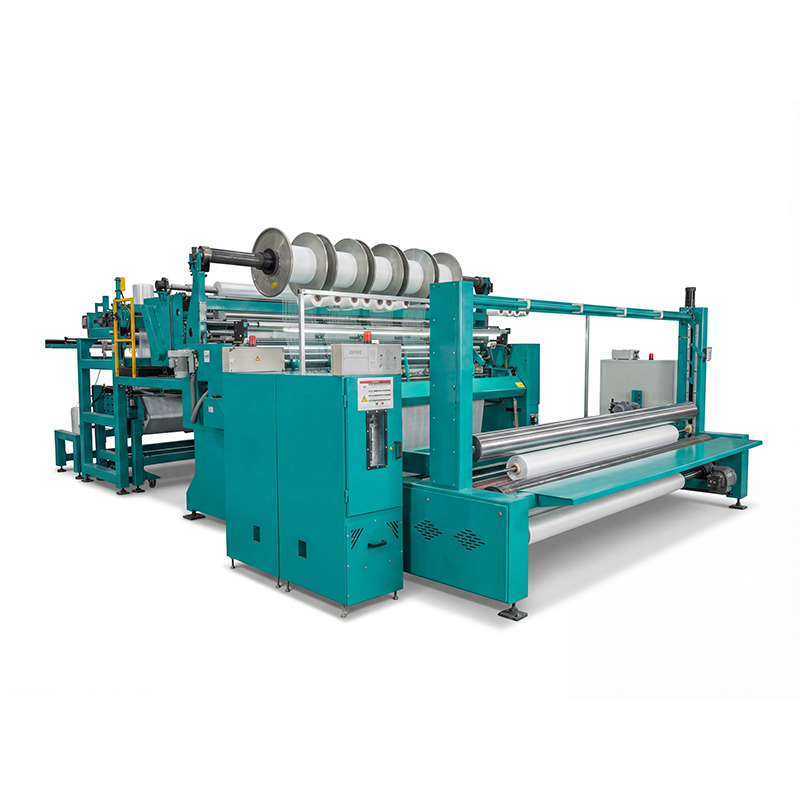

FC Chopped Stitch Bonding Machine
-
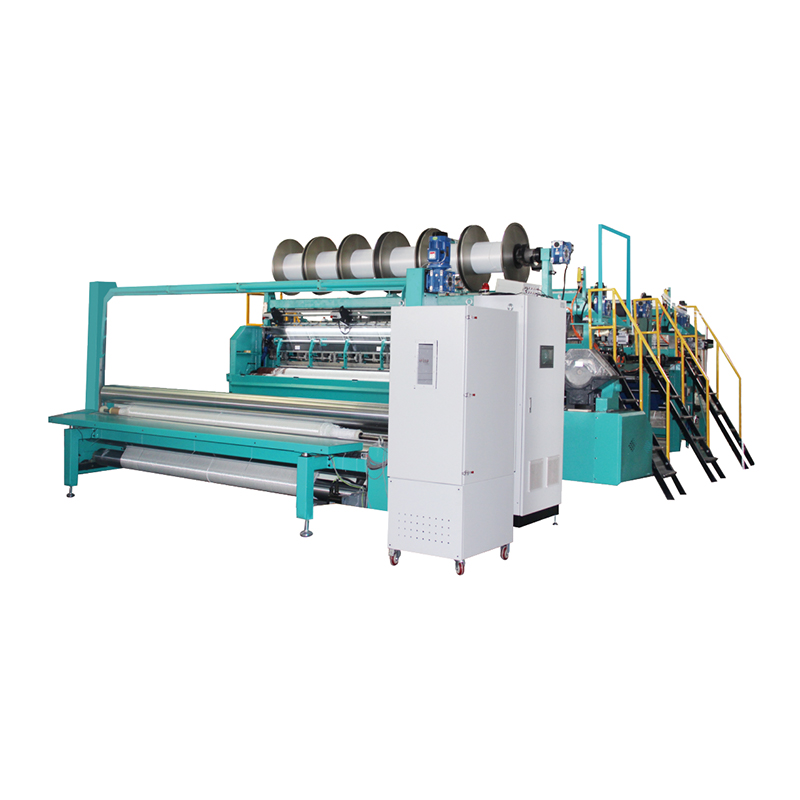
FCD Double Chopped Stitch Bonding Machine
-
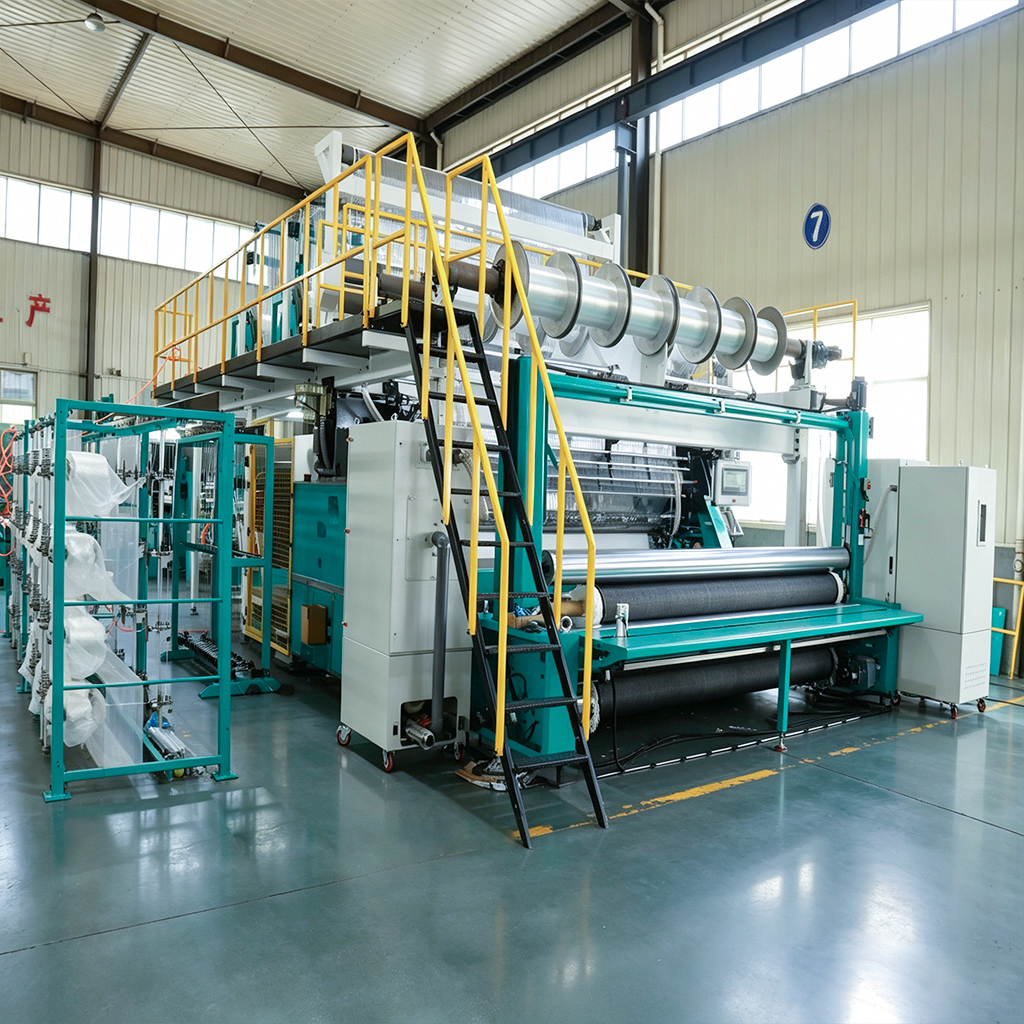
YRS3-M-V Biaxial Warp Knitting Machine With Non-Woven Fabric
-
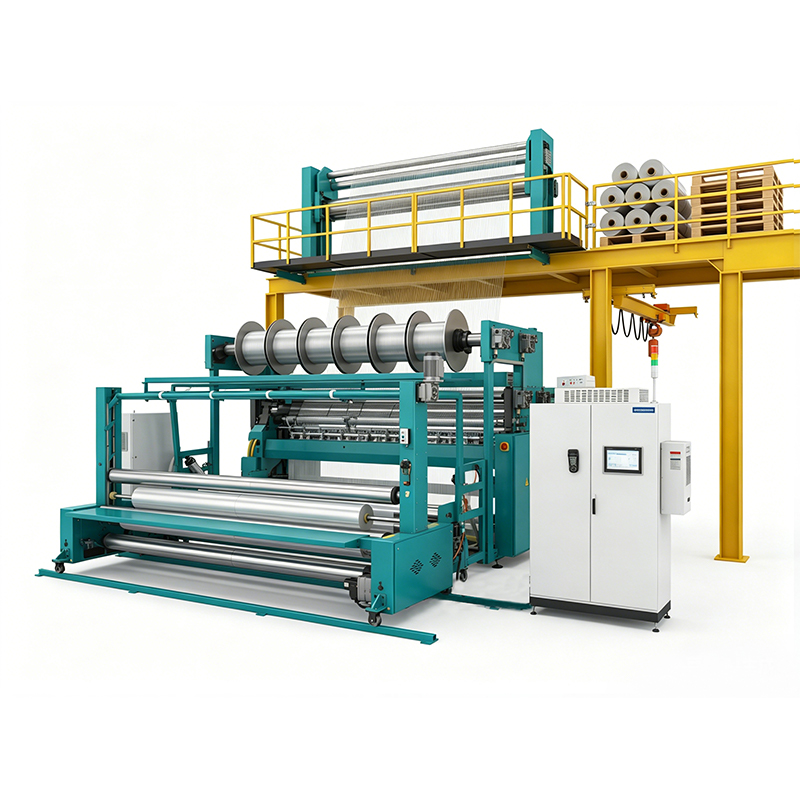
YRS3-M-F-I Raschel Chopped Fiber Biaxial Warp Knitting Machine(HX)
-
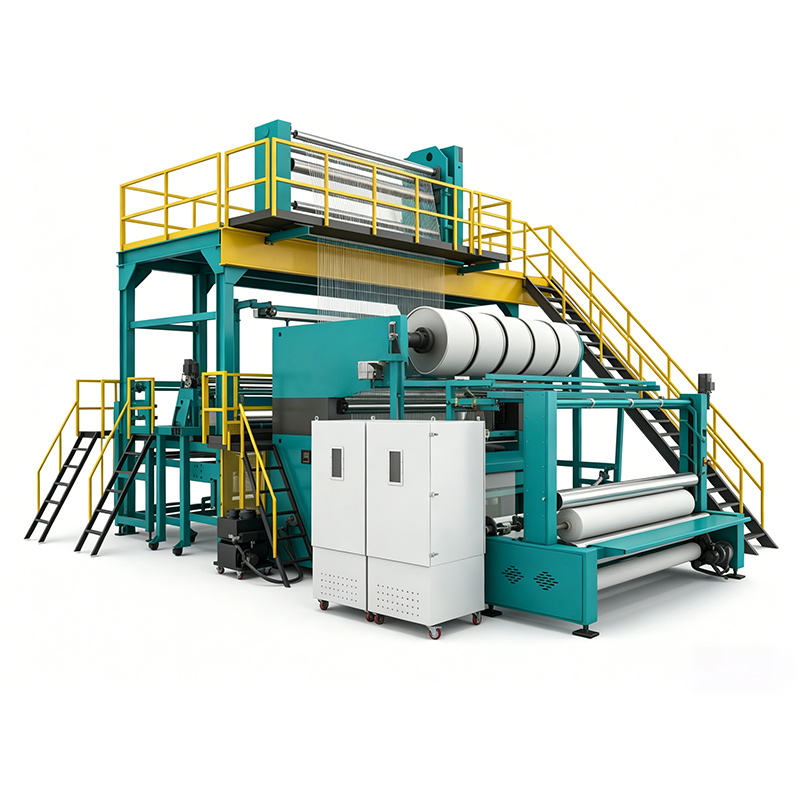
YRS3-M-F-II Raschel Chopped Fiber Biaxial Warp Knitting Machine(HS)
-
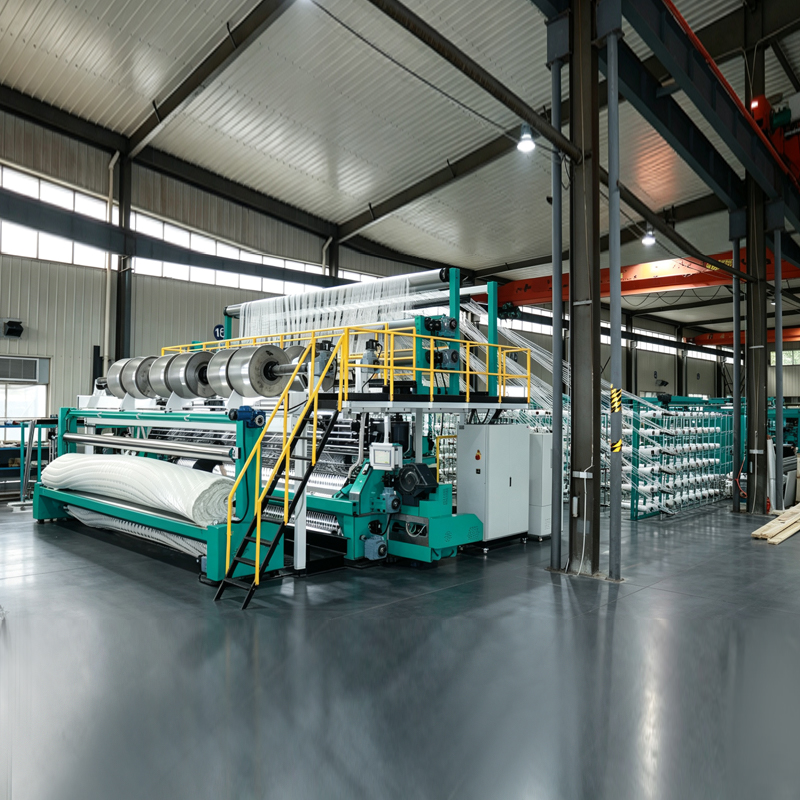
YRS3-M-H High Strength Biaxial Warp Knitting Machine
-
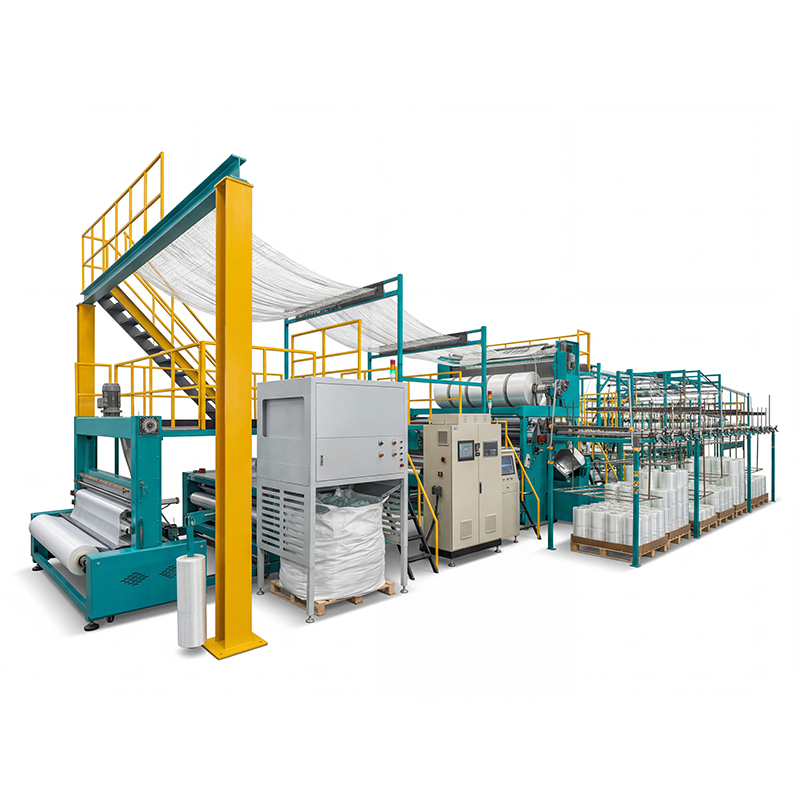
YRS3-3M Multi-Axial Warp Knitting Machine
-
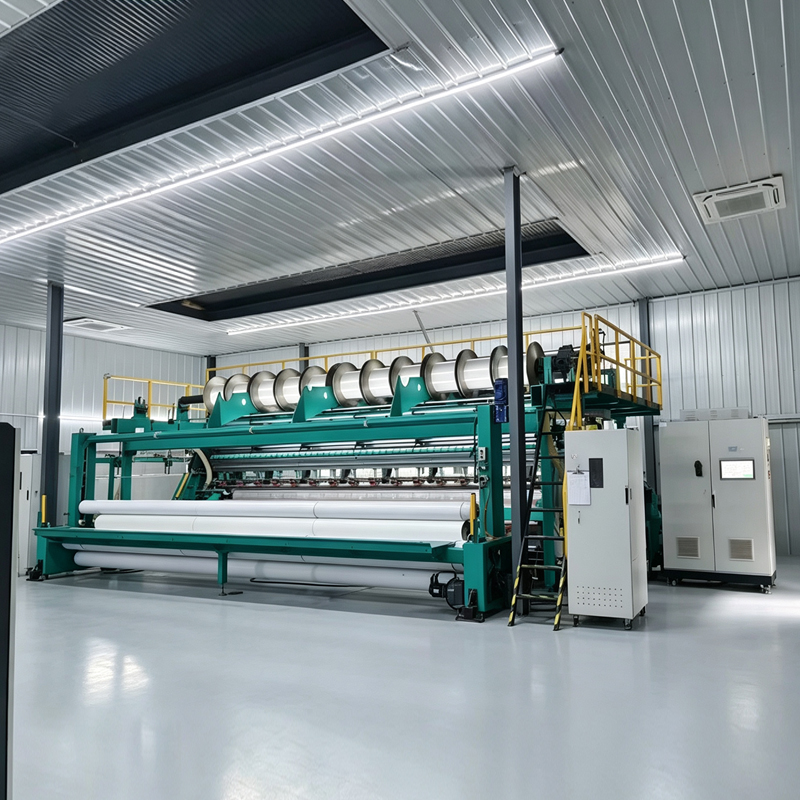
YRS3-M-M Raschel mesh - Geo Textile Biaxial Warp Knitting Machine
-
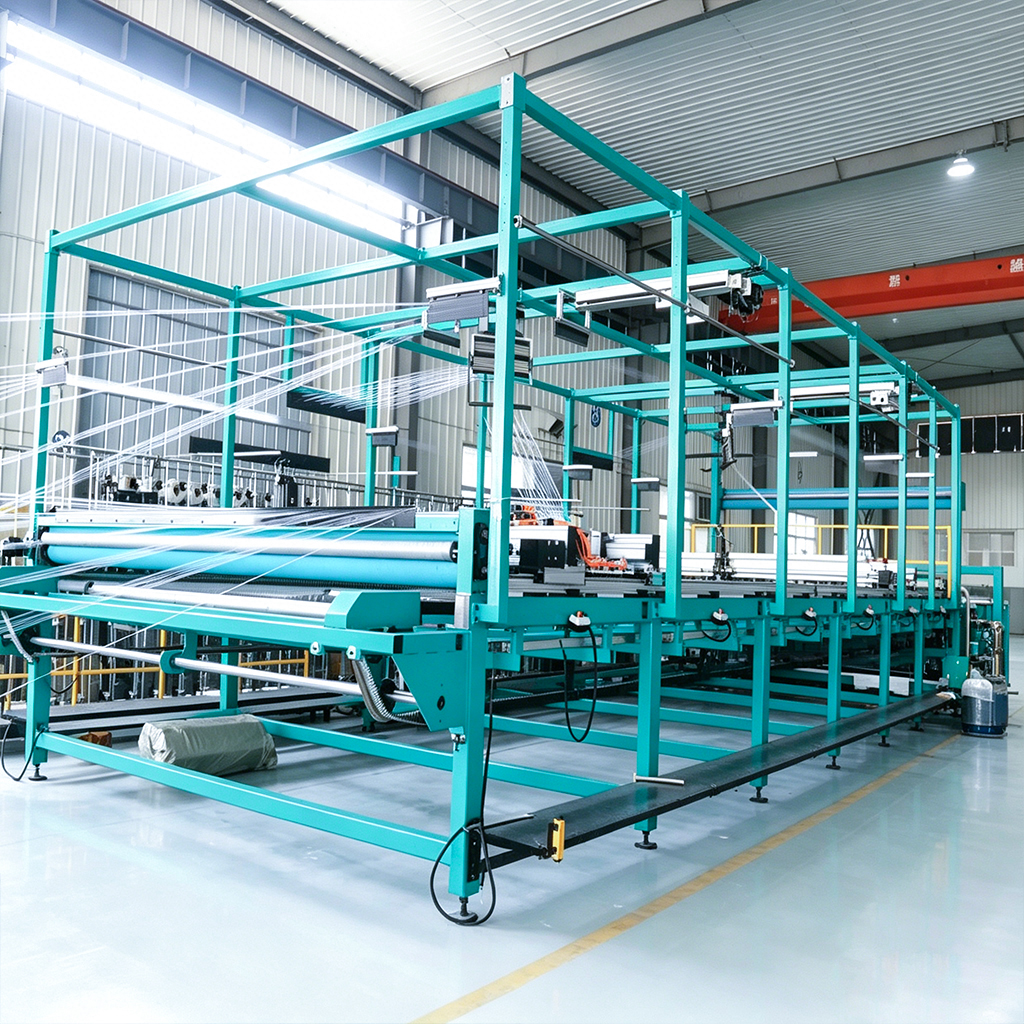
LM Weft Insertion Type Laid Scrim Machine
-
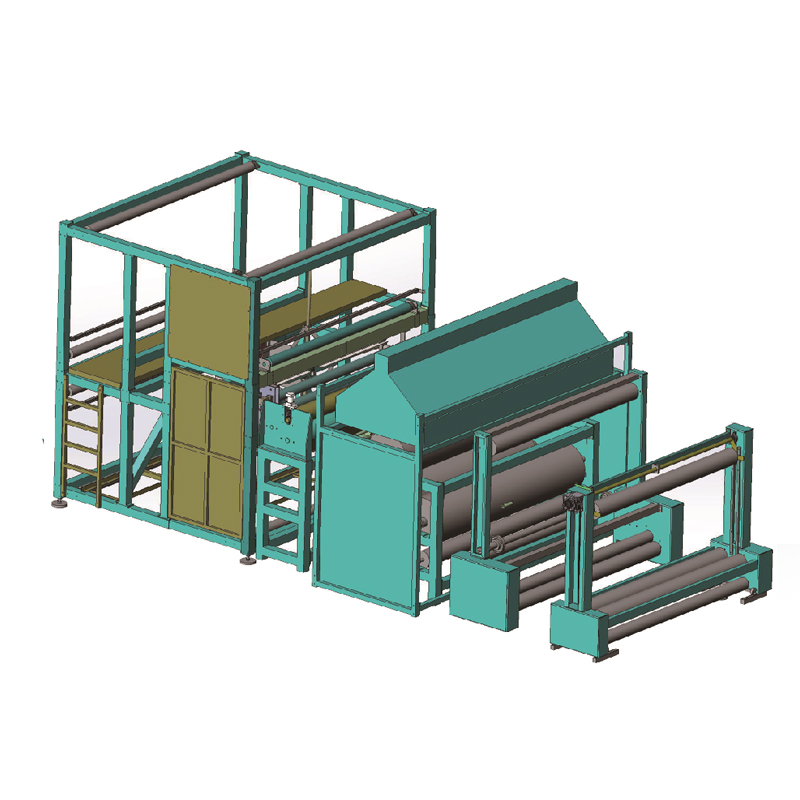
LS Rotary Type Laid Scrim Machine
-
YAS Auto Powder-Spreading machine
-
YRS3-M-G Raschel Mesh-Geogrid Biaxial Warp Knitting Machine
About
Changzhou Yuanyang Electromechanical Technology Co., Ltd.
Located in Changzhou, Jiangsu Province—a key hub of the textile equipment industry in China, Changzhou Yuanyang Electromechanical Technology Co., Ltd. is a high-tech enterprise integrating R&D, manufacturing, sales and service dedicated to the textile machinery sector. Since its establishment, the company has been adhering to the mission of "Driving Innovation in Textile Machinery with Technology, Building Industry Trust with Quality", deeply rooted in the warp knitting equipment and supporting fields. Relying on profound technical accumulation, rigorous manufacturing techniques and a comprehensive service system, it has become a highly competitive professional supplier in the domestic textile machinery industry.
As China Warp Knitting Machine for Fiberglass Textile Manufacturers and Warp Knitting Machine for Fiberglass Textile Factory, our main business focuses on the R&D and sales of high-end textile machinery. Its core product portfolio includes mainstream warp knitting equipment, such as stitch-bonding machines, biaxial warp knitting machines, multiaxial warp knitting machines, carbon fiber multiaxial warp knitting machines, powder-scattering machines, and web-laying machines. Meanwhile, it provides personalized customization services for a range of high-precision warp-knitting accessories and specialized equipment. The products are widely used in multiple fields, including industrial textiles, high-end fabrics, carbon fiber composite materials, and non-woven fabrics. Featuring high efficiency, stability, intelligent precision, and energy conservation, they can meet the diversified production demands of textile enterprises of different scales, helping customers improve production efficiency and product quality.
Based on the present and looking into the future, Changzhou Yuanyang Electromechanical Technology Co., Ltd. will continue to uphold the core values of "Innovation, Quality, Integrity and Win-Win Cooperation". It will further deepen technological R&D, optimize product portfolio, upgrade service quality, and strive to provide higher-quality warp knitting equipment solutions for global textile enterprises, joining hands with customers to create a bright future for the high-quality development of the textile industry.
News
-
-
Which Machine Category Matches Each Technical Fiber and Fabric Goal A warp knitting machine is the primary production platform for technical fiber textiles across fiberglass, chemi...
READ MORE -
What Is a Tricot Warp Knitting Machine A tricot warp knitting machine is a textile production machine that forms fabric by looping many parallel yarns fed from a warp beam, with e...
READ MORE -
From September 1 to 3, 2026, the Yuan Yang team conducted technical exchanges with industry professionals during the Shanghai Composite Materials Exhibition and the Technical Texti...
READ MORE
Message Feedback
Machine for Fiberglass Textile Industry knowledge
Changzhou Yuanyang Electromechanical Technology Co., Ltd. is a Warp Knitting Machine for Fiberglass Textile Manufacturers based in Jiangsu, China, building stitch-bonding, biaxial and multiaxial warp knitting lines for glass fiber reinforcement fabrics. Our range covers chopped strand mat production, composite nonwoven geogrids, laid scrim, mesh-geogrid structures and powder-spreading equipment that feeds downstream composite processes.
We work on projects where the fabric construction, the glass roving grade and the downstream resin or lamination route decide the machine configuration. That is why our proposals are built from the working point rather than from a catalogue number.
Our Range for Glass Fiber Reinforcement Fabrics
The fiberglass textile family splits into three production logics: chopped fiber mats, continuous-filament biaxial and multiaxial structures, and laid scrim or mesh products. Each logic needs different fiber handling, different tension control and different downstream integration.
| Machine | Fiber / Structure | Typical Fabric Output | Application Fit |
|---|---|---|---|
| FC Chopped Stitch Bonding Machine | Glass fiber roving, chopped | Chopped strand mat, grid composite mat, 50–900 g/m² | Pipeline rehabilitation, general CSM |
| FCD Double Chopped Stitch Bonding Machine | Glass fiber, PP/PET core layers | Double-sided chopped mat, sandwich mat | Shipbuilding, rail, lightweight automotive |
| YRS3-M-F-I / F-II Raschel Chopped Fiber Biaxial | Chopped + continuous glass | Biaxial chopped reinforcement | Composites requiring multi-directional strength |
| YRS3-M-H High Strength Biaxial | High-modulus glass, aramid, hybrid | Heavy reinforcement fabrics | Structural composites, load-bearing layers |
| YRS3-3M Multi-Axial Warp Knitting Machine | Glass, carbon, aramid | 0°/90°/+45°/−45° multiaxial fabrics | Wind blades, aerospace, structural panels |
| YRS3-M-V Biaxial with Non-Woven Fabric | Glass fiber + polyester nonwoven | Composite nonwoven stitch-bonded geogrid | Rail subgrade, road and embankment reinforcement |
| YRS3-M-M / YRS3-M-G Mesh-Geogrid Biaxial | Glass fiber, polyester | Mesh-geogrid, geotextile reinforcement | Ground stabilization, retaining structures |
| LM Weft Insertion / LS Rotary Laid Scrim | Glass, polyester, hybrid yarns | Laid scrim, weft-inserted reinforcement | Composite carriers, tape reinforcement |
| YAS Auto Powder-Spreading Machine | Powder binder on glass web | Powder-bonded mat | Binder application ahead of curing |
Chopped Fiber Lines: FC and FCD
The FC Chopped Stitch Bonding Machine integrates chopping, conveying and stitch-bonding in one pass. A single guide bar forms the loop structure while an independent chopping unit and servo-controlled conveying system lay chopped roving into an even web. Cut length is set to the target mat specification; the reference configuration uses 50 mm glass fiber roving with fabric weights from 50 to 900 g/m².
- Working widths: 3300 mm (130") and 3800 mm (150")
- Machine speed: 50–1300 r/min
- Reference daily output: 2000 kg at 300 g felt; 4000 kg at 300 g mat + 400 g fabric
- Uniformity tolerance within ±5%
The FCD Double Chopped Stitch Bonding Machine adds an adjustable cut-length chopping unit and online lamination, so different material layers can be combined in a single pass. It produces double-sided chopped mat and sandwich structures with PP or PET core layers for shipbuilding, rail interiors, lightweight automotive parts and container or pipeline lining. Reference speed is 50–900 r/min at 2800 mm (110") working width, with daily output around 5000 m² depending on construction.
Biaxial and Multiaxial Reinforcement Structures
Where the fabric must carry load in more than one direction, we supply the YRS3-M-H High Strength Biaxial Warp Knitting Machine and the YRS3-3M Multi-Axial Warp Knitting Machine. The multiaxial platform lays warp, weft and diagonal yarn layers at defined angles and stitches them into a single fabric, which is the standard route for 0°/90°/±45° reinforcement used in wind blades, structural panels and pressure vessels.
For geotechnical work, the YRS3-M-V Biaxial Warp Knitting Machine With Non-Woven Fabric combines glass fiber with a polyester nonwoven layer. The reference configuration runs 4 warp × 4 weft at 215" working width and 50–1200 r/min, producing a composite geogrid with uniform apertures that simultaneously reinforces, filters, separates and drains. The YRS3-M-M and YRS3-M-G mesh-geogrid machines cover ground stabilization and retaining structure fabrics.
Laid Scrim and Powder-Spreading Equipment
The LM Weft Insertion Type Laid Scrim Machine and LS Rotary Type Laid Scrim Machine produce laid scrim from glass, polyester or hybrid yarns, with the weft insertion or rotary principle selected according to the yarn set and the required areal weight. The YAS Auto Powder-Spreading Machine applies binder powder to a glass web ahead of curing, which lets a line produce powder-bonded mat without a separate offline step.
These units are usually specified together with a stitch-bonding or biaxial machine so that the reinforcement carrier and the binder or scrim layer are produced in one coordinated flow.
How We Configure a Fiberglass Line
Glass fiber behaves differently from chemical fiber: filaments are brittle, abrasion at the guide elements matters, and chopped roving must be distributed without clumping. We therefore treat the following as configuration variables rather than fixed options.
- Fiber handling: guide bar count, yarn path geometry and tension control matched to the roving tex and filament diameter
- Working width: 2800 mm, 3300 mm, 3800 mm or wider, aligned to the downstream cutting and laminating format
- Chopping unit: cut length, chopper position and conveying speed for the target mat weight
- Lay-up angles: warp, weft and diagonal layer arrangement for biaxial and multiaxial constructions
- Lamination: online nonwoven, PP/PET core or scrim layer integration
- Controls: servo-driven conveying and drive coordination, with line interface to the customer's existing take-up, winding and curing equipment
Customization at Yuanyang goes beyond parameter changes. Depending on the application it can involve machine structure and layout redesign, functional module development or integration, adaptation for special materials, and process-oriented optimization for stability and efficiency. The Machine for Chemical Fiber Textile and Machine for Carbon Fiber Textile ranges follow the same engineering approach when a project moves between fiber families.
Manufacturing and Quality Control
Our production base in Danyang covers more than 12,000 m² with standardized workshops, a dedicated customized production zone and design trial production workstations. Annual production capacity is over 200 sets, with more than 30 sets exported each year and a team of 50+ skilled employees.
Quality control runs from component procurement through processing, assembly, testing and debugging. Each machine is tested before dispatch, and an intelligent warehouse with a digital management system handles storage, sorting, inventory checking and delivery. A professional R&D team of senior industry engineers continuously optimizes product performance and structural design.
Installation, Training and Long-Term Support
After delivery, our engineers attend the customer's factory for on-site installation, commissioning and training until the line runs to the agreed working point. We also run structured training at our own fabrication workshop: maintainer training, knitter training and workshop management training, each typically one to two months, covering installation practice, maintenance, quality control, production planning and process parameters.
Our after-sales network responds to equipment issues during production, and we assist customers in establishing quality system documentation. Spare parts and serviceability are considered at the configuration stage so that guide elements, chopping components and drive parts remain accessible in normal operation.
Information We Use to Configure Your Solution
A precise proposal depends on the working point, the material and the production target. The following inputs let us size the machine, select the module set and confirm the acceptance basis.
- Target fabric: construction type, areal weight range, layer angles, aperture or mesh size
- Fiber specification: glass roving tex, filament diameter, sizing compatibility, chopped cut length
- Working width and roll format required by the downstream process
- Production target: required output per shift and the reference fabric weight used for the calculation
- Line context: upstream creel or unwinding, downstream take-up, winding, curing or lamination equipment
- Utilities and workshop layout: power supply, compressed air, floor space, operator positions
- Acceptance requirements: fabric weight tolerance, uniformity, running speed and test method
- Documentation and training scope required for the project
Frequently Asked Questions
Which machine fits chopped strand mat production?
The FC Chopped Stitch Bonding Machine is the standard route for single-layer chopped strand mat and grid composite mat in the 50–900 g/m² range. If the product needs two chopped layers, a PP/PET core or a sandwich structure, the FCD Double Chopped Stitch Bonding Machine adds adjustable cut length and online lamination in one pass.
Can the same platform run glass fiber and other reinforcement fibers?
The biaxial and multiaxial platforms are configured around the fiber being processed. Glass fiber, aramid and carbon require different guide elements, tension settings and chopping parameters, so we confirm the fiber set before fixing the configuration. Carbon fiber multiaxial equipment is supplied as a separate machine family.
How is fabric uniformity controlled on chopped fiber lines?
The chopping unit and the servo-controlled conveying system work together to lay chopped roving evenly before stitch-bonding. On the FC platform the reference uniformity tolerance is within ±5%, verified against the agreed fabric weight during pre-delivery testing.
What output can we expect from a fiberglass line?
Output depends on fabric construction and process settings. Reference figures are 2000 kg per day at 300 g felt and 4000 kg per day at 300 g mat plus 400 g fabric on the FC machine, and around 5000 m² per day on the FCD machine. We calculate the expected output for your specific construction during configuration.
Do you support non-standard machine layouts?
Yes. Non-standard configurations, complex fabric designs and materials with high processing difficulty are typical projects for us. Customization can include machine structure and layout redesign, functional module development or integration, and process-oriented optimization for stability and efficiency.
What training and commissioning support is included?
Our engineers carry out on-site installation, commissioning and training at the customer's factory. We also provide maintainer, knitter and workshop management training at our own fabrication workshop, typically one to two months, and assist customers in compiling quality system documentation.
-
Contact Info.
+86-198 5534 1617
+86-134 0158 3002yuanyang@yywarpknitting.com 699#, Shengzhi West Rd, Lvcheng Town, Danyang City, Zhenjiang City, Jiangsu Province, China
-
QR Code
-
Quick Links
Home About Products Manufacturing Customization News Contact -
Product List
Machine for Chemical Fiber Textile Machine for Fiberglass Textile Machine for Carbon Fiber Textile -
About Us
Company Profile Factory Gallery Value-added Service
Copyright © 2026 Changzhou Yuanyang Electromechanical Technology Co., Ltd. All Rights Reserved.
OEM/ODM Warp Knitting Machine for Fiberglass Textile Factory
