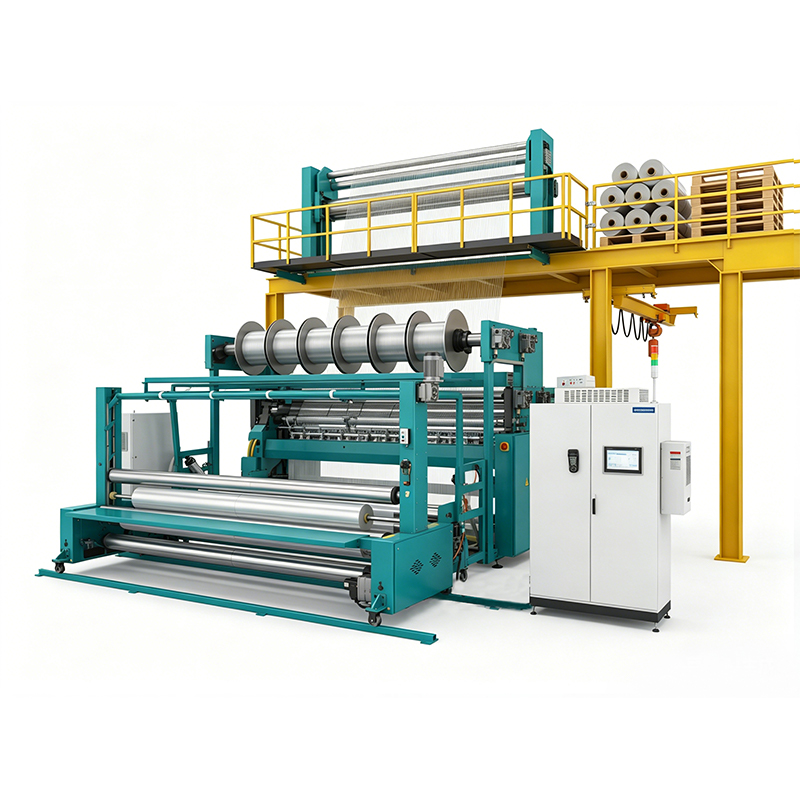
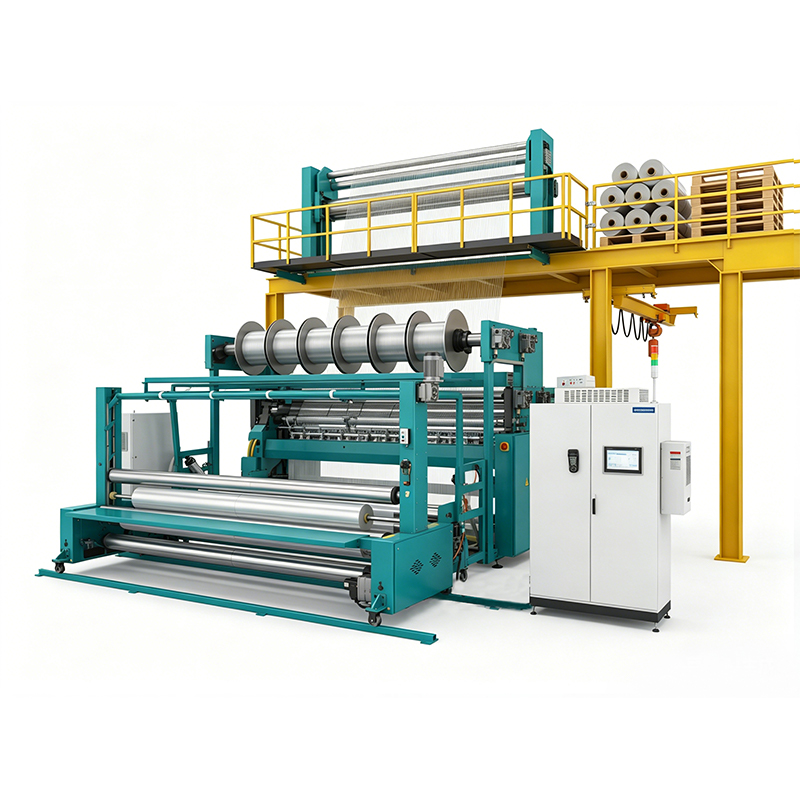
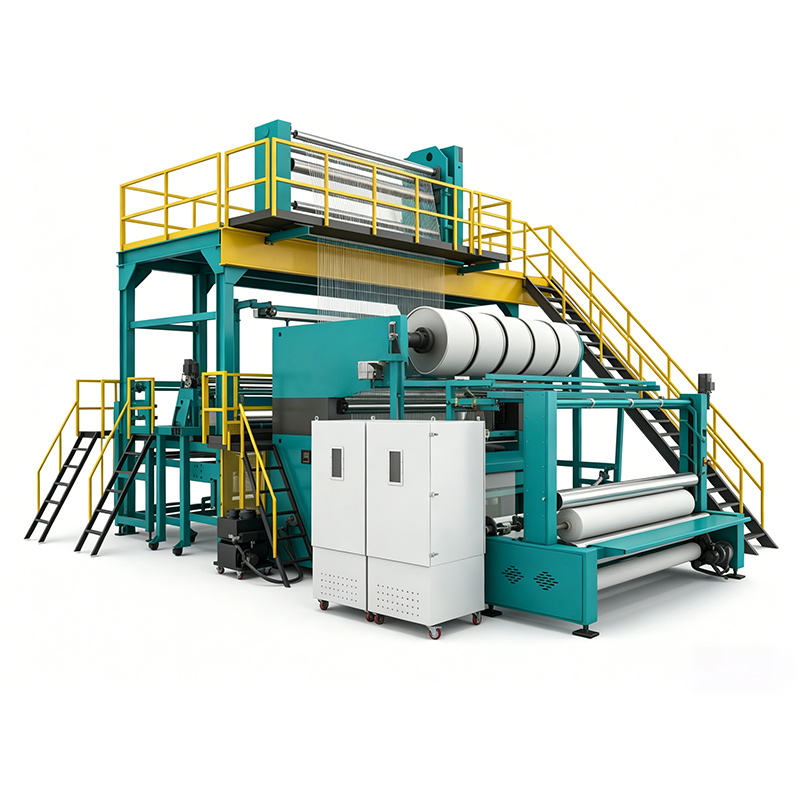
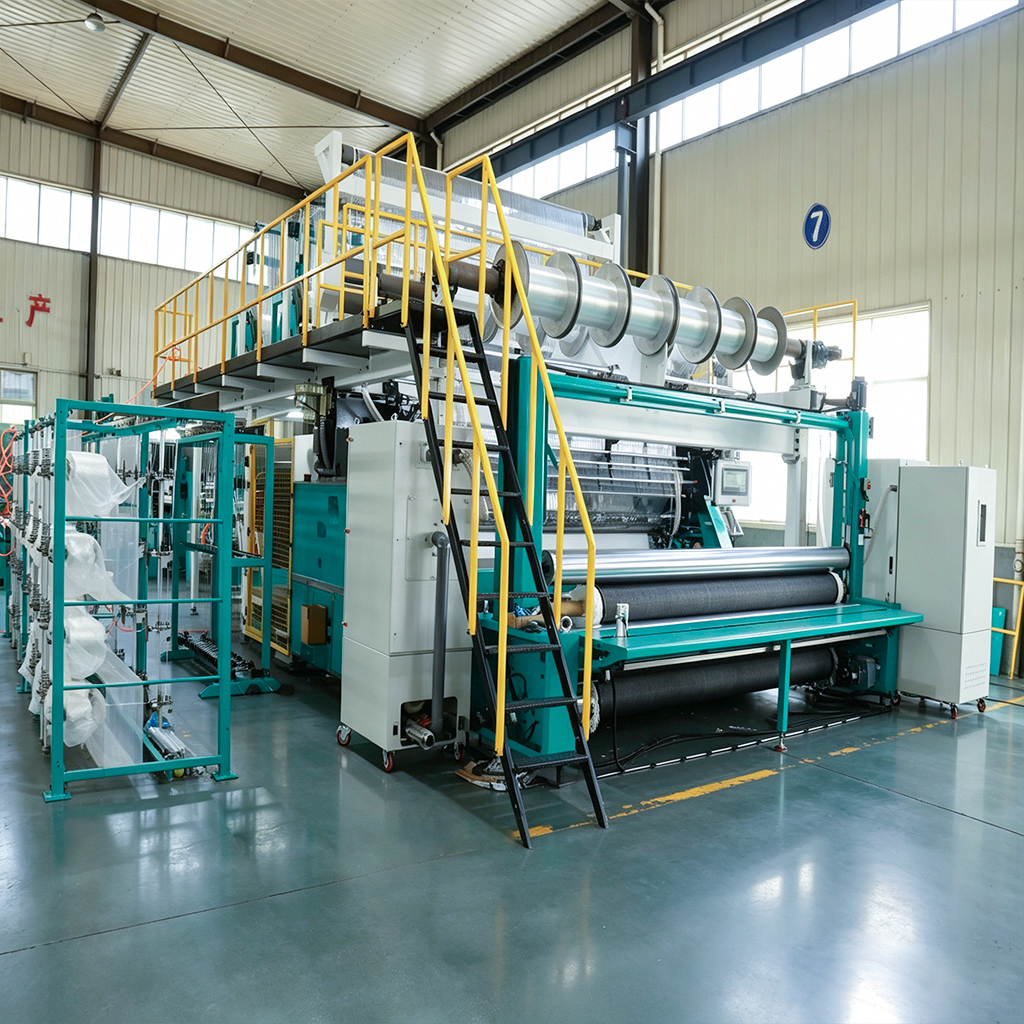
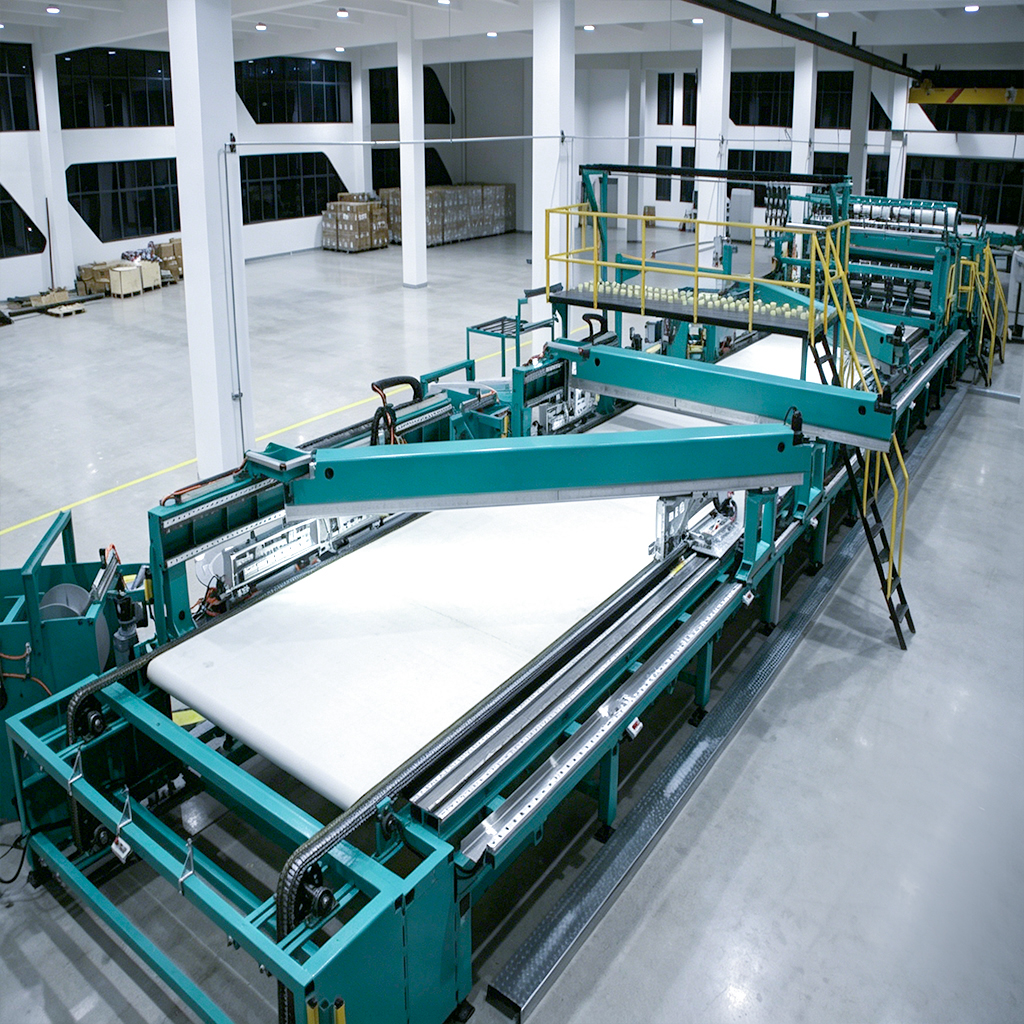
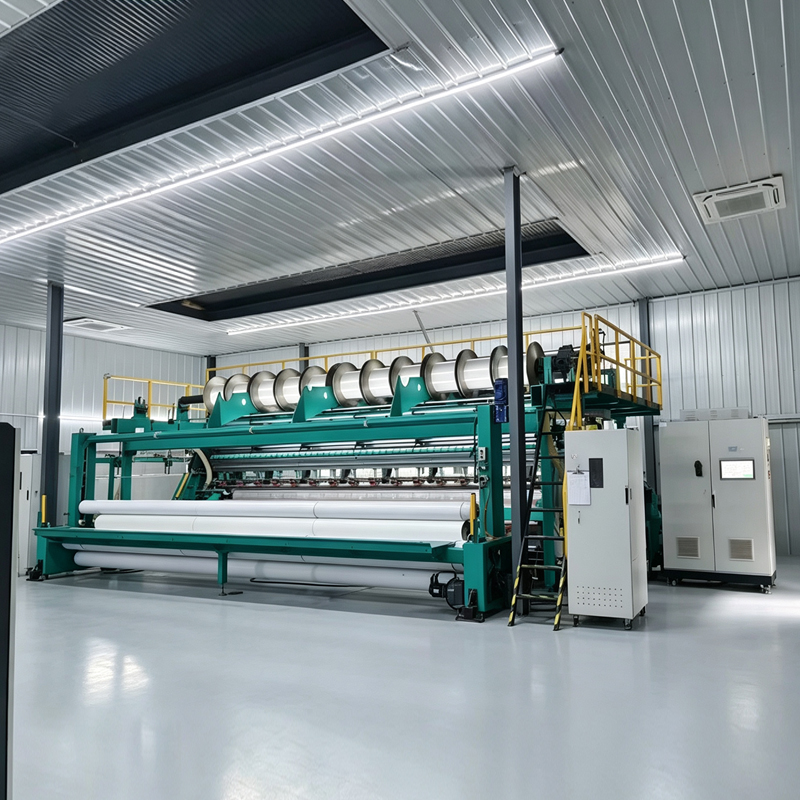
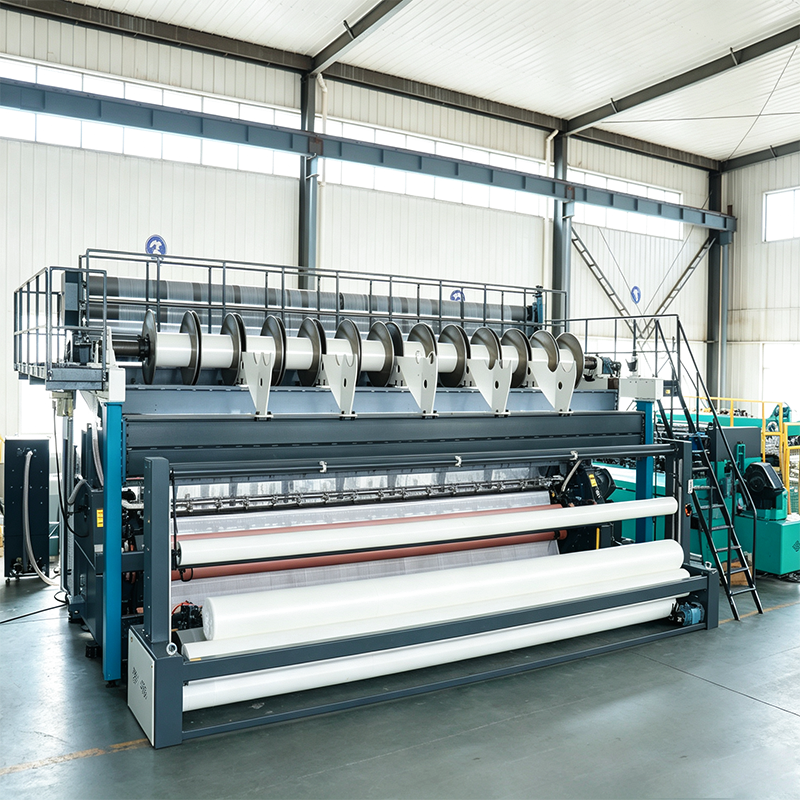
Changzhou Yuanyang Electromechanical Technology Co., Ltd. builds the YRS3-M-F-I Raschel chopped fiber biaxial warp knitting machine (HX) for mills that need a biaxial scrim with an integrated chopped strand layer in one pass. We manufacture warp knitting equipment at our Danyang production base, covering biaxial, multiaxial, stitch-bonding, powder-spreading and web-laying lines, and we configure the YRS3-M-F-I around the fiber, fabric weight and downstream process rather than around a fixed catalogue specification.
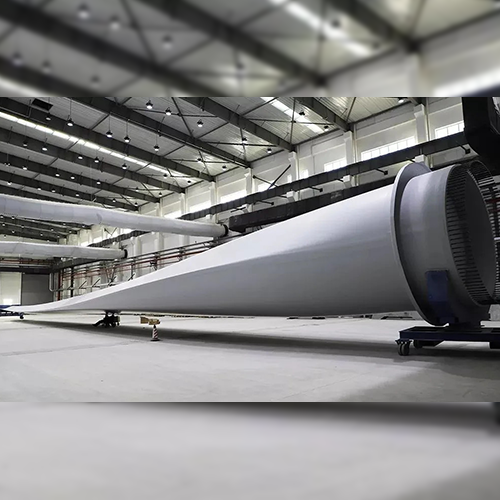
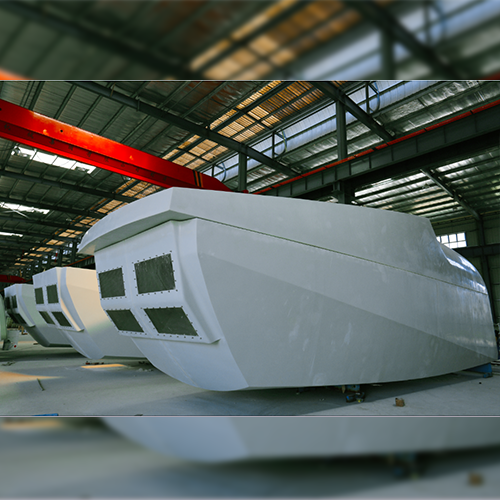
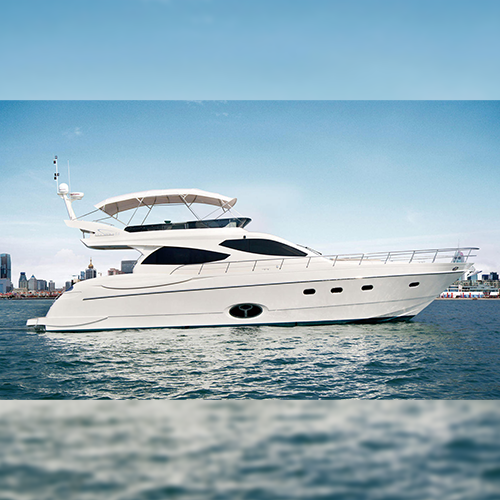
The machine is a YRS3-M-F-I Raschel Chopped Fiber Biaxial Warp Knitting Machine(HX) manufacturer platform for glass fiber and polyester reinforcement fabrics used in wind power, nacelle covers and underground pipeline rehabilitation.
What the YRS3-M-F-I Produces
As a Yrs3mfi Raschel Chopped Fiber Biaxial Warp Knitting Machine Hx manufacturer, we match product configuration to the application, operating limits, interfaces and acceptance criteria defined for each project.
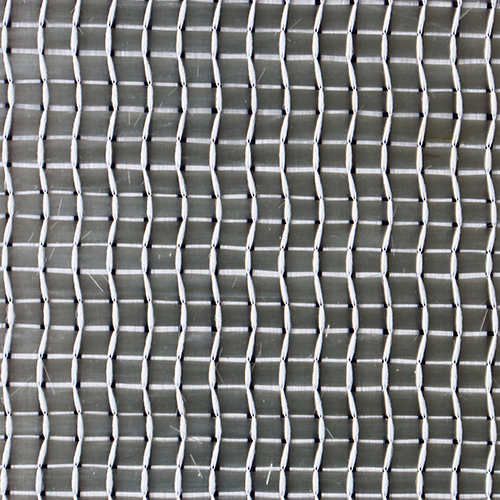
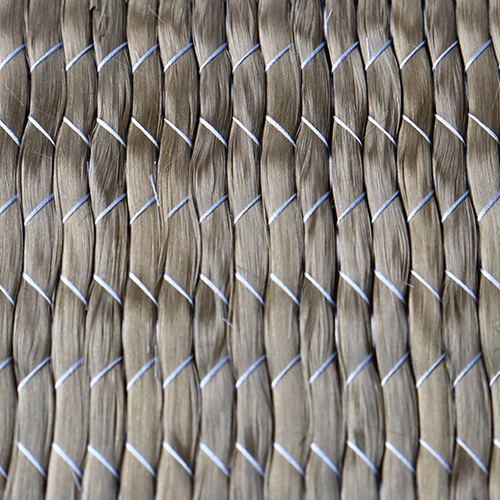
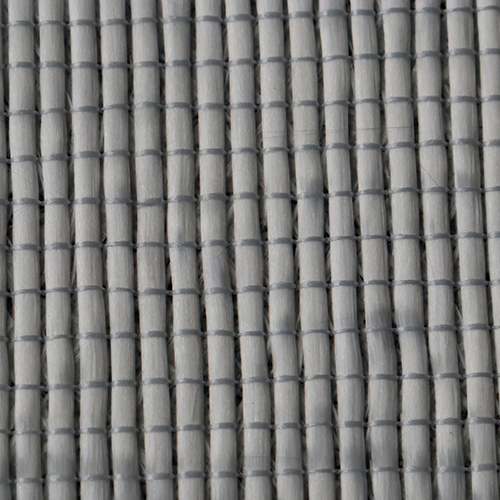
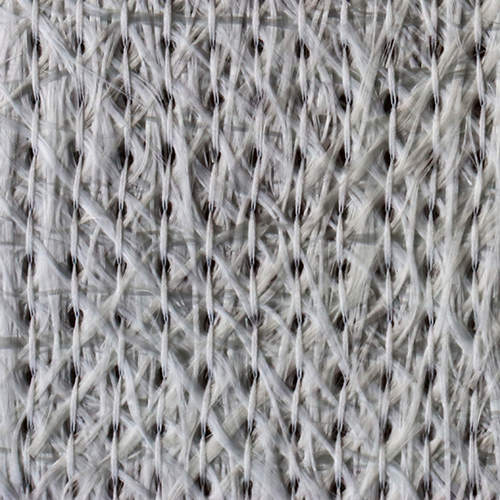
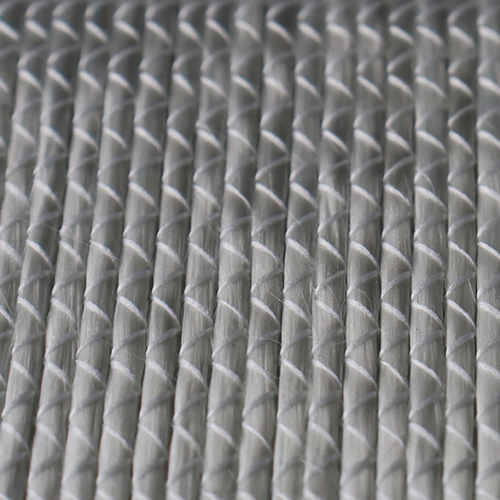
The YRS3-M-F-I is a biaxial warp knitting machine with a chopping unit mounted ahead of the knitting point. Weft yarns are interlaced and overlapped, and the chopped layer is deposited beneath the yarns before the stitch bonds the structure together. The result is a composite reinforcement fabric with a smooth surface and good forming behaviour in downstream lay-up and resin processes.
Because the chopped layer is integrated on the machine, a converter can produce a finished reinforcement in a single production step instead of combining a biaxial scrim with a separate chopped mat offline.
Fabric construction options
- 0° and 90° weight ratio adjustable to the target laminate balance
- Optional chopped layer of 50–500 g/m² beneath the yarns
- Greige fabric weight typically 300–2000 g/m²
- Applicable fibers: glass fiber and polyester
Core Specifications
| Parameter |
Value |
Notes |
| Machine speed |
50–1200 r/min |
Working point set by fabric weight and chopped layer |
| Working width |
177" |
Confirmed against downstream slitting and roll format |
| UD fabric daily output |
5500 kg |
Reference figure; actual output varies with construction and process |
| Chopped layer |
50–500 g/m² |
Optional; deposited beneath the yarns |
| Greige fabric weight |
300–2000 g/m² |
Typical range across the supported constructions |
Speed and output are linked: a heavier chopped layer or a denser 0°/90° build reduces the practical running speed. We set the quoted working point from the fabric specification, not from the maximum spindle speed.
Application Fit
The YRS3-M-F-I is aimed at reinforcement fabrics where directional strength and a chopped surface layer both matter. Wind turbine spar caps and other UD-dominated laminates use the biaxial base for off-axis stability, while the chopped layer improves surface finish and handling during lay-up.
Pipe rehabilitation liners benefit from the same combination: the biaxial yarns carry the structural load and the chopped layer helps the fabric conform to the host pipe and wet out evenly. Nacelle covers and similar large composite panels use the fabric where a smooth, formable reinforcement reduces finishing work.
Where it sits in our fiberglass range
Configuration and Line Integration
We treat the YRS3-M-F-I as a line element, not a stand-alone unit. The chopping unit, yarn path, fabric take-off and roll handling are matched to the fiber type and the fabric weight band the mill intends to run. For glass fiber, yarn tension control and guide wear are the dominant variables; for polyester, the chopping and bonding parameters shift accordingly.
Customization on this platform can involve machine structure and layout changes, functional module development or integration, adaptation for special materials, and process-oriented optimization for stability and efficiency. Colour customization is also available. Our customization process starts from customer drawings or samples, moves through 3D drawing confirmation, quotation, mold or pattern making and sample approval, then into production, inspection and delivery.
Installation and utilities
- Foundation and floor loading confirmed against the machine layout drawing
- Power supply, compressed air and workshop environment agreed before shipment
- Yarn creel and beam positions set to the mill's material handling method
- Take-off and winding arranged for the required roll diameter and core type
Quality Control and Acceptance
Yuanyang follows quality management system standards with refined control across the whole process, from component procurement and production processing to finished product assembly, testing and debugging. Every machine is tested before it leaves the factory. Our production base includes an inspection room and an intelligent warehouse with digital control of warehousing, storage, sorting, inventory checking and delivery.
Acceptance is normally built around the agreed fabric specification: weight per unit area, the 0°/90° ratio, chopped layer weight, width and running stability at the quoted working point. We confirm the inspection items with the customer before the machine is packed.
Training, Maintenance and Service
After delivery, our engineer attends the customer's factory for on-site installation, commissioning and training until the equipment runs to the agreed condition. We also train knitters, maintainers and workshop management staff at our own fabrication workshop, with hands-on operation and maintenance practice over a one to two month programme.
Our after-sales structure includes a rapid response mechanism and service stations in textile concentration areas, so equipment issues can be resolved without extended downtime. We can also assist customers in establishing and compiling quality system documentation.
Information We Use to Configure Your Solution
A firm configuration and quotation for the YRS3-M-F-I depends on the production target, not on a model number alone. The following inputs let us fix the working point, the chopping unit and the line interface.
| Input |
Why we need it |
| Fiber type and yarn count |
Sets guide selection, tension control and chopping parameters |
| Target fabric weight and 0°/90° ratio |
Defines the working point and expected output |
| Chopped layer weight, if required |
Confirms whether the chopping unit is specified and at what range |
| Required working width and roll format |
Matches the machine layout to downstream slitting and handling |
| Daily or annual output target |
Sets the number of machines and the practical running speed |
| Workshop layout and utility data |
Used for foundation, power, air and material flow planning |
| Fabric sample or drawing |
Basis for 3D drawing confirmation and sample approval |
Frequently Asked Questions
Can the 0° and 90° weight ratio be customized?
Yes. The weight ratio of the 0° and 90° directions is adjustable to suit the laminate design, and the chopped layer beneath the yarns is optional within the 50–500 g/m² range.
Which fibers can the YRS3-M-F-I run?
The machine is specified for glass fiber and polyester. Other materials are handled as customization projects, where we review the fiber characteristics and adapt the yarn path, chopping unit and process parameters accordingly.
What is the realistic output for a UD fabric?
The reference figure is 5500 kg per day for UD fabric. Actual output depends on fabric construction and process settings, so we quote output against the specific fabric the mill intends to produce.
How is the machine installed and commissioned?
Our engineer is assigned to the customer's factory for on-site installation, commissioning and training until the equipment runs to the agreed condition. Operator and maintainer training is also available at our fabrication workshop.
Can the machine be adapted to our existing line?
Yes. Customization can cover machine structure and layout redesign, functional module integration, special material adaptation and process optimization. We work from customer drawings or samples and confirm 3D drawings before production.
What documentation and support come with the equipment?
We provide system documentation support, including assistance in establishing and compiling quality system documents, together with long-term service for problems encountered during production.


 English
 中文简体
中文简体 русский
 Français
 Español
 Deutsch