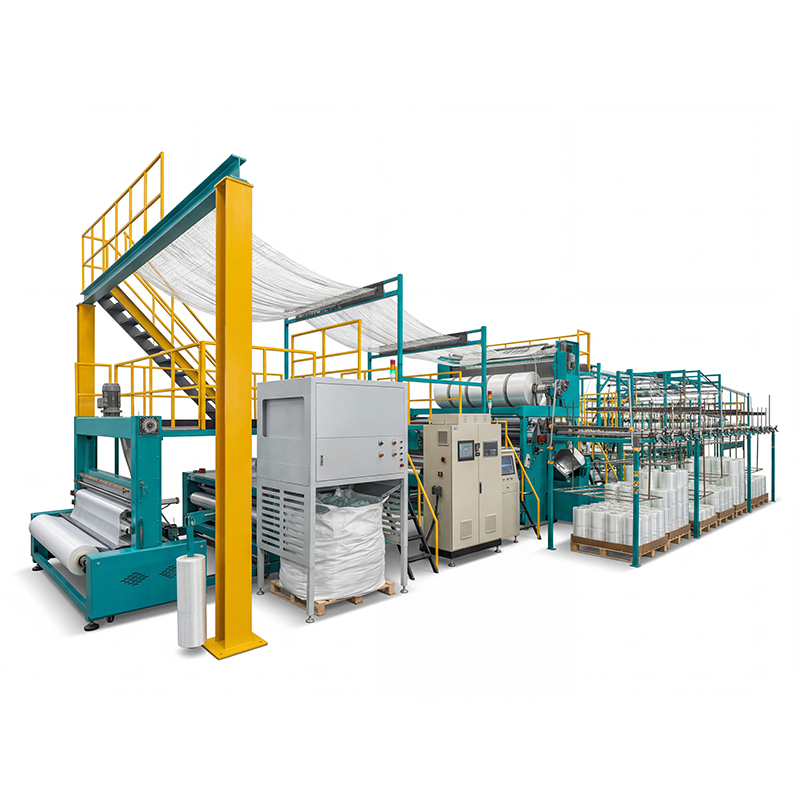
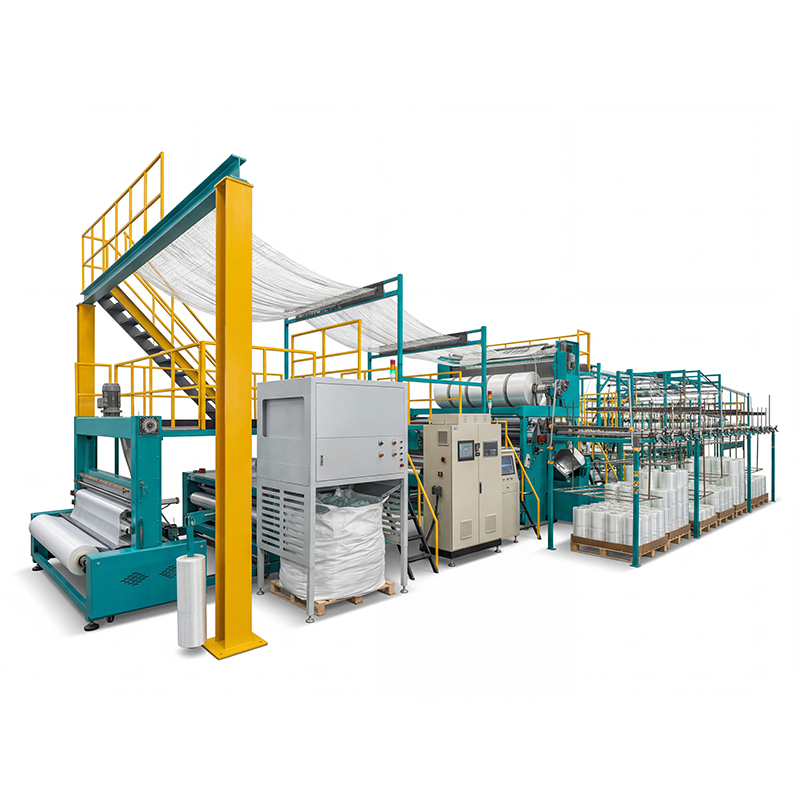
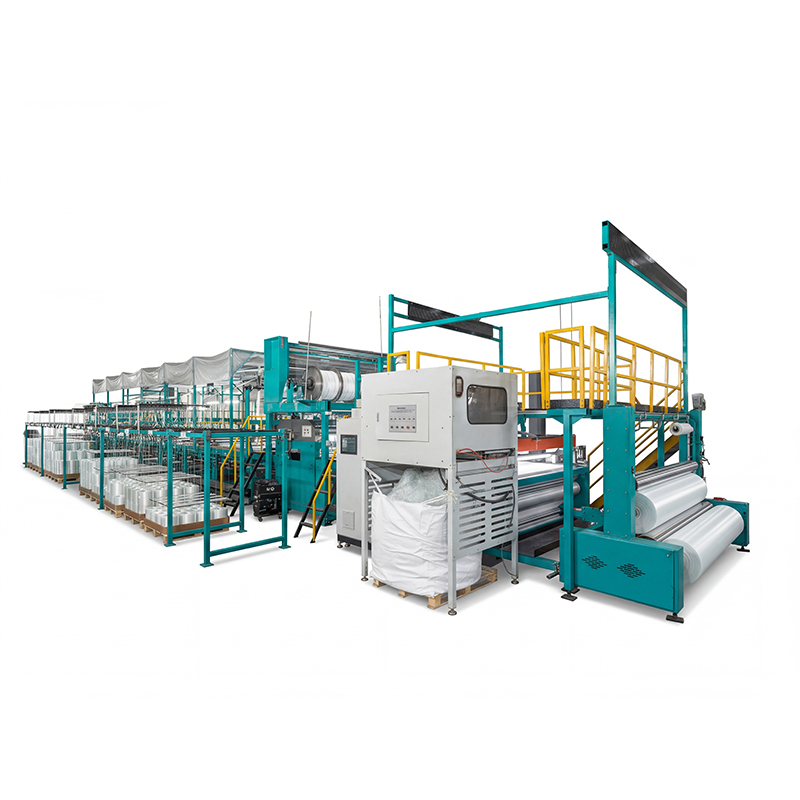
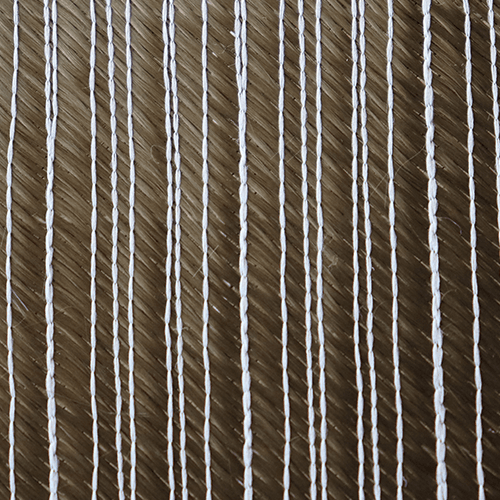
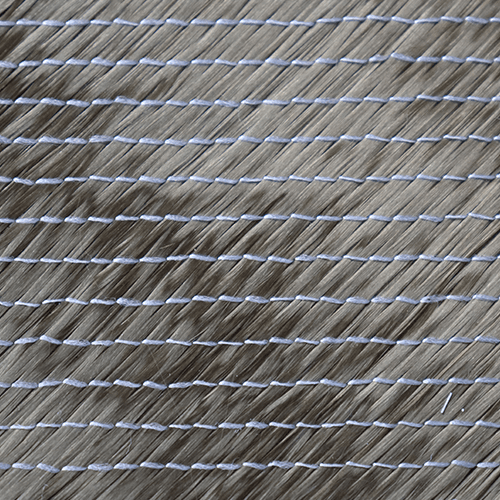
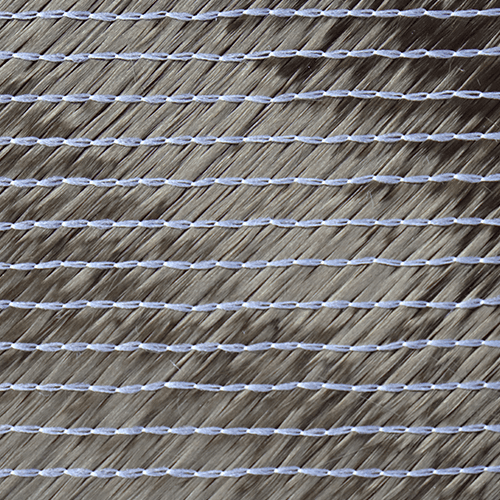
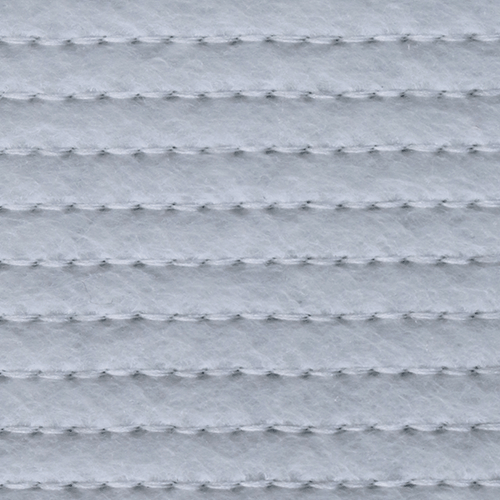
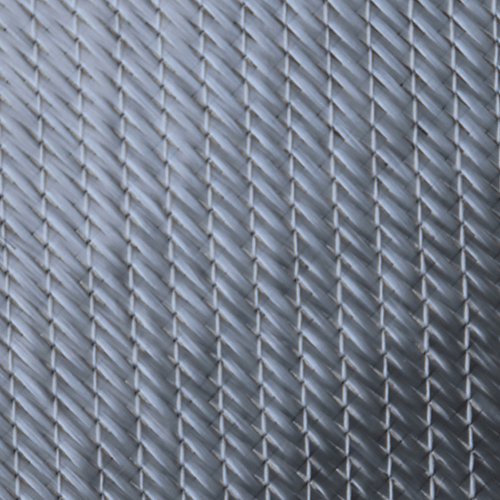
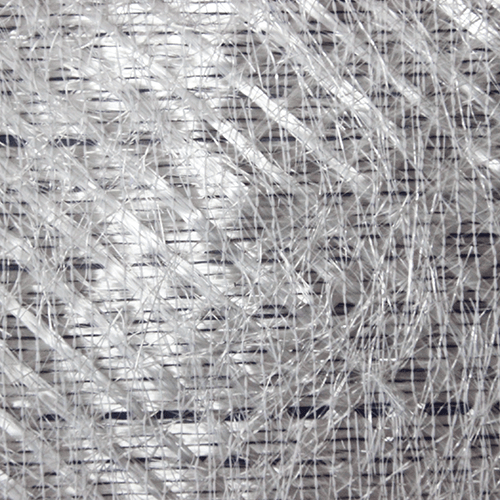
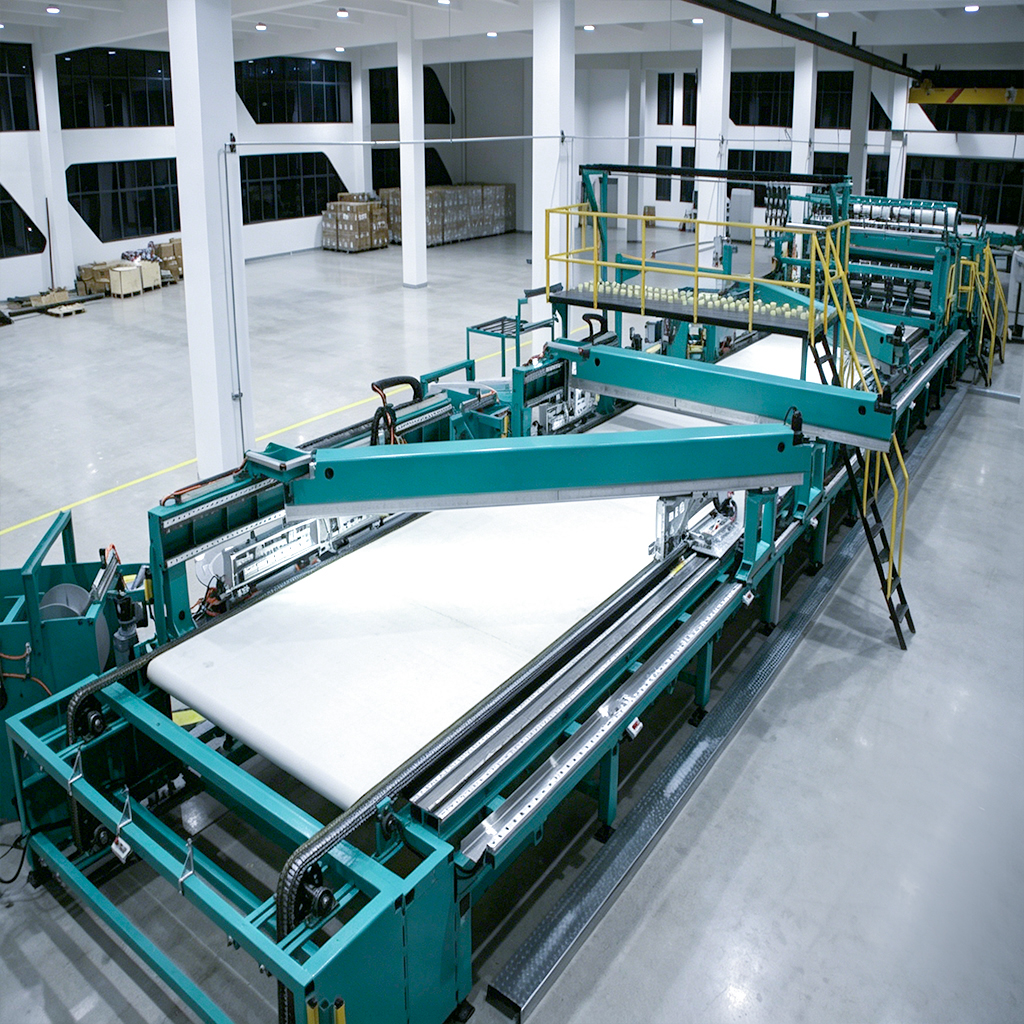
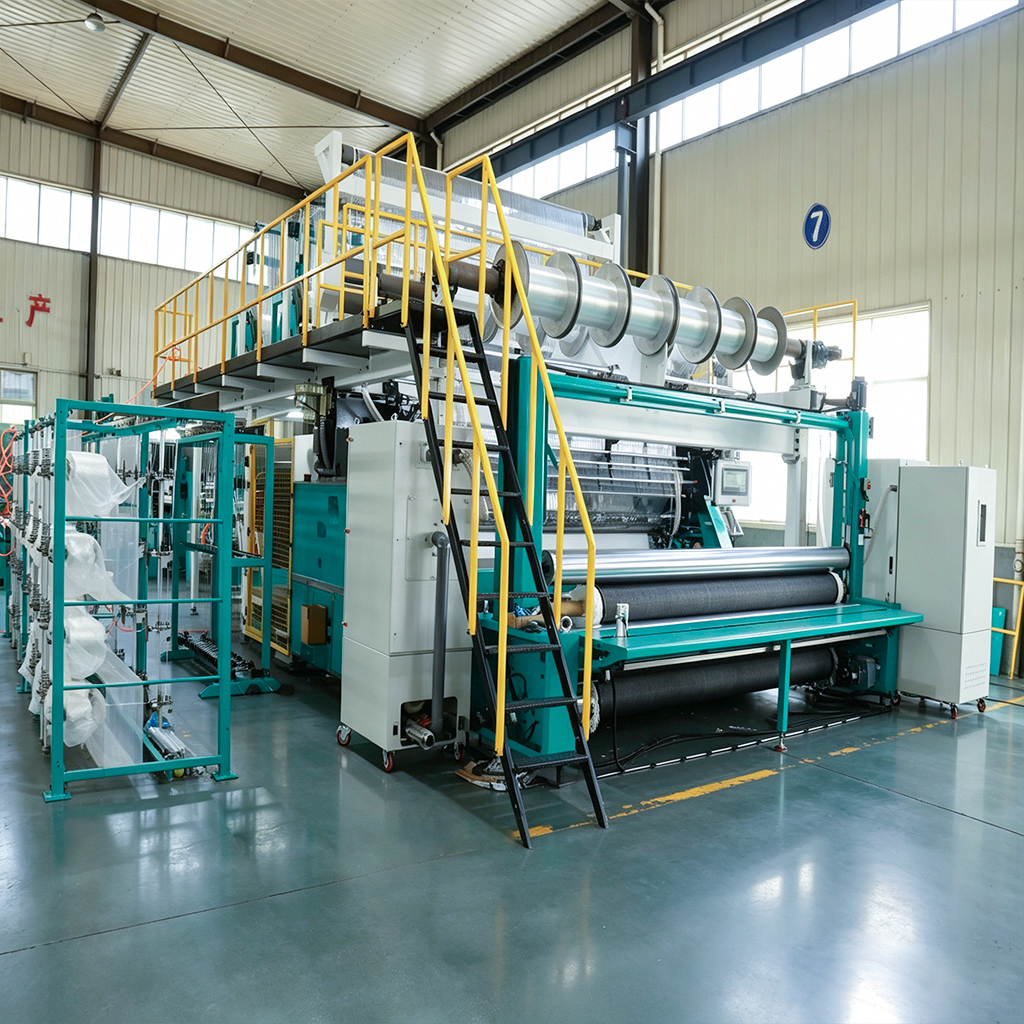
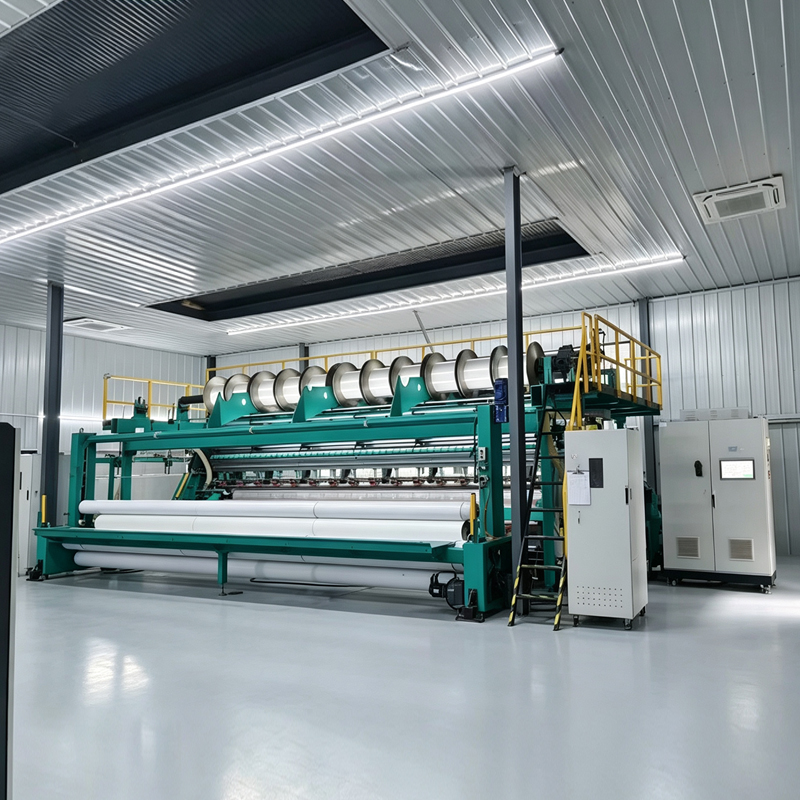
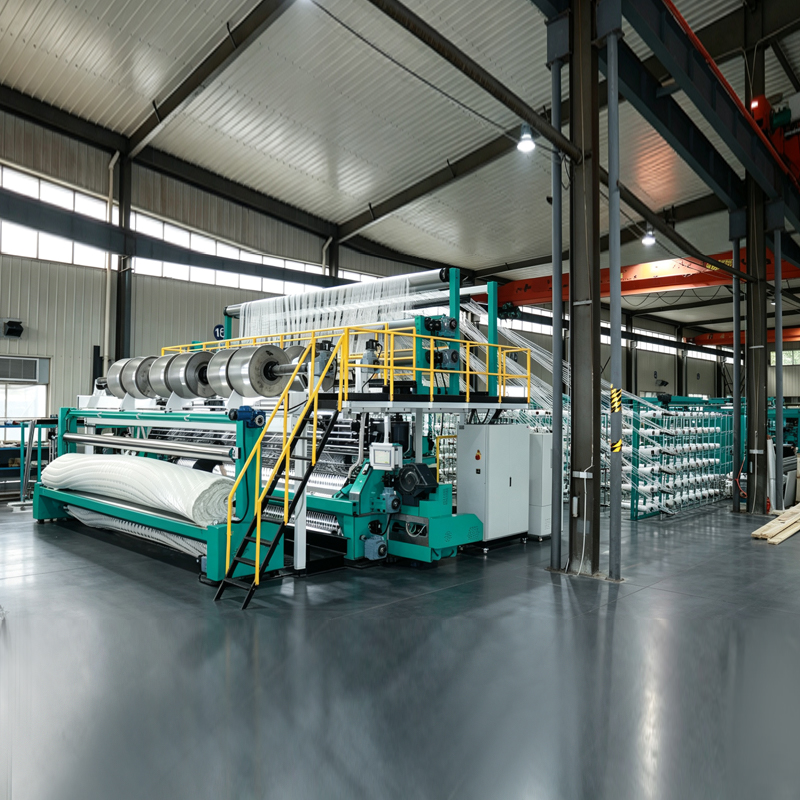
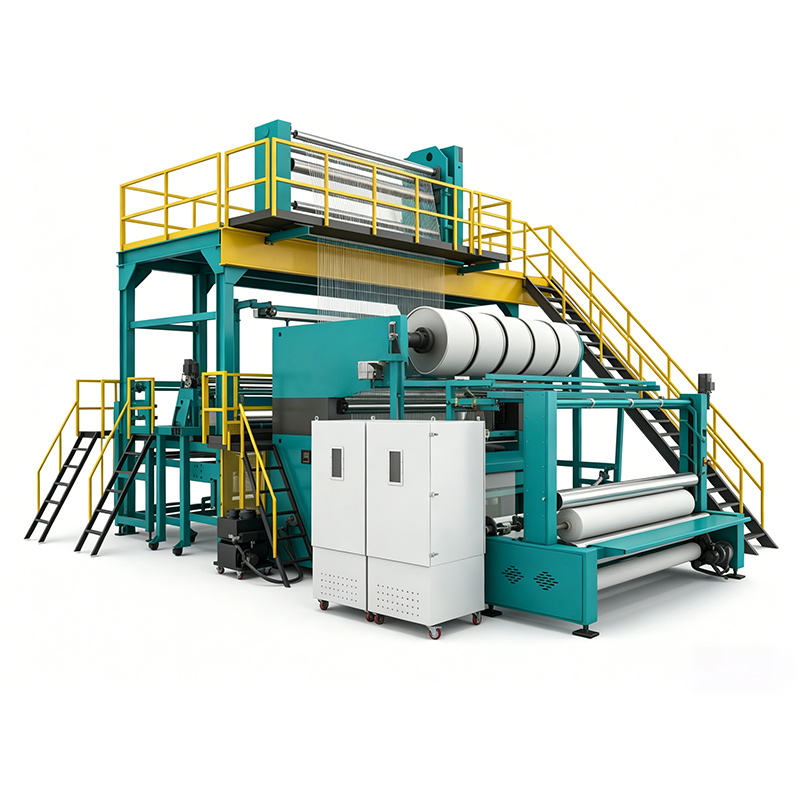
Changzhou Yuanyang Electromechanical Technology Co., Ltd. builds the YRS3-3M Multi-Axial Warp Knitting Machine for mills producing multi-axial glass fiber and basalt fiber reinforcement fabrics. The machine lays weft yarns at any angle between -30° and +30° across three independent servo-controlled weft-laying systems, then binds the layered structure into a stable fabric for downstream composite processing.
We manufacture this model in Jiangsu, China, alongside our biaxial, chopped-fiber and carbon-fiber multiaxial ranges, and configure each unit around the fiber type, fabric weight and production target of the project.
Where the YRS3-3M Fits in Production
As a Yrs33m Multiaxial Warp Knitting Machine Manufacturer, we match product configuration to the application, operating limits, interfaces and acceptance criteria defined for each project.
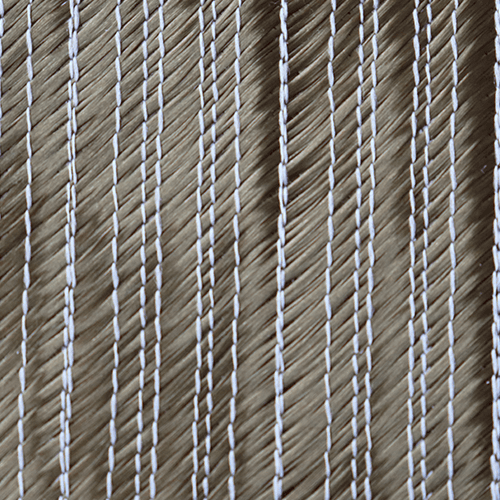
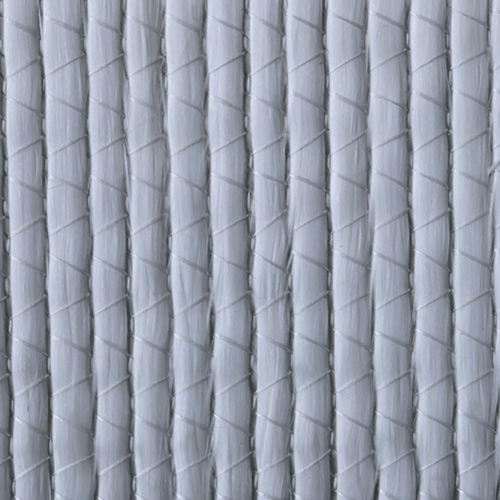
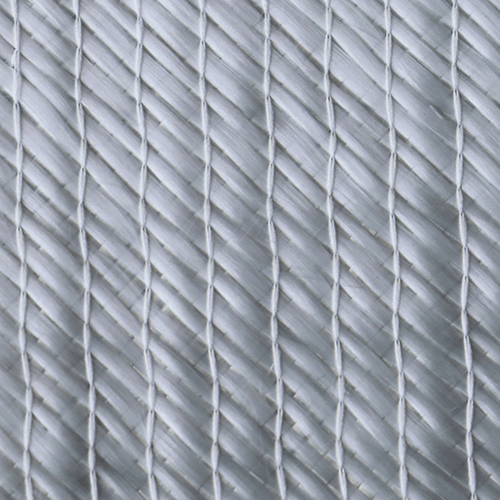
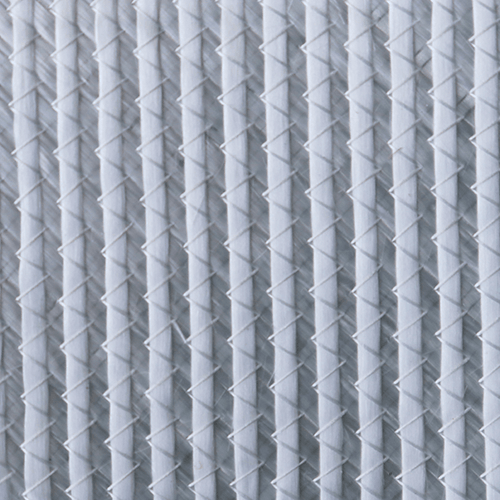
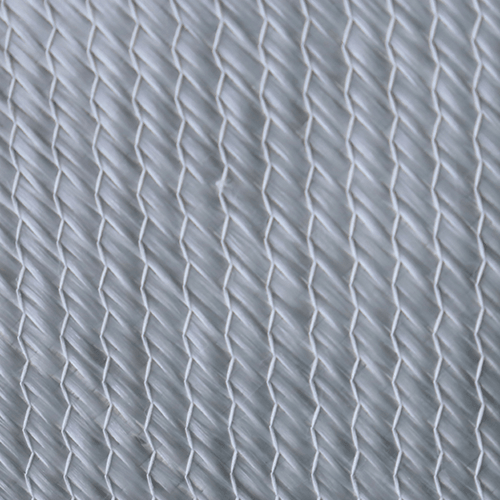
Multi-axial warp knitting produces reinforcement fabrics in which warp, weft and diagonal yarn layers are held together by a fine knitting thread rather than woven interlacing. That structure keeps fibers straight, so the finished laminate carries load along the intended directions. The YRS3-3M is aimed at exactly this class of fabric.
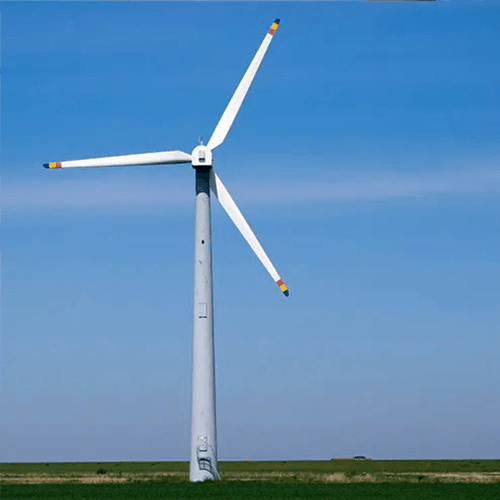
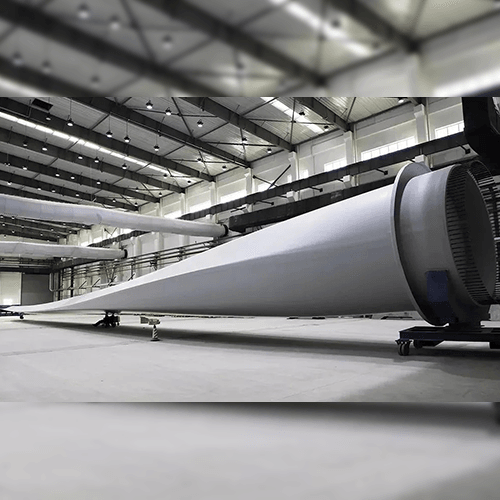
- Aerospace and wind energy: multi-axial glass and basalt reinforcement for blade shells, spar caps and structural panels.
- Lightweight automotive: multi-axial reinforcement layers for body panels and structural inserts.
- Other high-performance industrial fabric: any application needing controlled fiber orientation and repeatable areal weight.
Because the weft angle is adjustable rather than fixed at 90°, the same machine can serve several fabric designs without a mechanical rebuild — a practical advantage for plants running mixed order books.
Core Specifications
The figures below describe the standard YRS3-3M configuration. Final values are confirmed against the fabric construction and fiber used in each project.
| Parameter |
Specification |
Practical Meaning |
| Weft laying angle |
-30° to +30°, freely selectable |
Sets diagonal reinforcement direction per fabric design |
| Weft-laying systems |
Three independent, all servo-controlled |
Automated multi-layer, multi-angle laying in one pass |
| Machine speed |
50–2000 r/min / 50–1300 r/min |
Speed band selected with the fabric build |
| Working width |
101" |
Defines usable fabric width and downstream cutting plan |
| Fabric weight |
Typically 450–1500 g/m² |
Covers common reinforcement builds |
| Optional layers |
Chopped layer or nonwoven, 20–600 g/m² |
Adds surface veil or flow medium in the same line |
| Daily output (reference) |
4000–6000 kg / 3000–4500 kg |
Varies with fabric construction and process settings |
| Applicable fibers |
Glass fiber, basalt fiber |
Core output: multi-axial glass and basalt fabrics |
Daily output is a reference band only. Real throughput depends on areal weight, weft angle pattern, number of layers and the running speed the fiber tolerates without damage.
Configuration Options
We treat the YRS3-3M as a configurable platform rather than a fixed catalogue item. Depending on the fabric to be produced, the build may include:
Weft system count
Three servo weft systems as standard; layer sequence set by fabric design.
Chopped / nonwoven module
Optional chopped layer or nonwoven feed from 20 to 600 g/m².
Fiber adaptation
Yarn path and tension elements matched to glass or basalt fiber behavior.
Structure and layout
Frame and layout adjustments where workshop space or line flow requires it.
Controls and Line Integration
All three weft-laying systems are servo-driven, which is what makes free-angle laying repeatable from one roll to the next. We configure the control system around the required line interface — the signals the machine must exchange with upstream creels, powder-spreading units or downstream winding and inspection equipment.
- Servo control of each weft system for independent angle and density setting.
- Recipe storage so a validated fabric construction can be recalled rather than re-set by hand.
- Interface points defined during engineering, before the frame is built.
Where a project combines multi-axial laying with a powder layer, our YAS Auto Powder-Spreading Machine can be coordinated into the same process chain, and laid-scrim lines such as the LS Rotary Type Laid Scrim Machine cover lighter reinforcement formats.
Materials and Fabric Engineering
Glass and basalt fibers are brittle relative to textile yarns. They abrade against sharp edges, they do not tolerate tight bend radii, and they hold tension poorly if the yarn path is inconsistent. Machine design for these fibers therefore concentrates on smooth guide surfaces, controlled tension and stable weft placement rather than raw speed alone.
Fabric weight typically lands between 450 and 1500 g/m². Heavier builds mean more layers and more yarn per meter, which lowers running speed but raises areal weight per pass. We use the target fabric specification — layer sequence, angle set, areal weight and binder thread — to fix the working point before quotation.
Installation, Commissioning and Acceptance
Our engineers attend the customer's plant for installation, commissioning and training, and stay until the machine runs the agreed fabric to specification. Acceptance is normally built around a trial run of the actual production fabric rather than a no-load demonstration.
- Site and utility check against the agreed layout and power supply.
- Mechanical installation and alignment of the frame and weft systems.
- Electrical connection, control parameter setting and safety checks.
- Trial production of the target fabric, with angle, weight and speed verified.
- Operator and maintainer training on the running machine.
Quality Control and Manufacturing
Yuanyang operates a 12,000+ m² production base with standardized workshops, an intelligent warehouse and dedicated inspection rooms. Control runs from component procurement through machining, assembly and final testing; every unit is tested before dispatch. Our annual production capacity is over 200 sets, with more than 30 sets exported each year.
Because we also run fabrication work in-house, our engineers see how the equipment behaves in real production — knowledge that feeds back into structural and process decisions on new builds.
Maintenance, Spares and Training
We provide hands-on training for knitters, maintainers and workshop management, either at our factory or on site after installation. Training at our plant typically runs one to two months and includes participation in the installation process, so operators understand the machine before it reaches their own floor.
- Wear-part replacement guidance and spare-part identification for the weft systems and yarn path.
- Assistance compiling quality system documentation for the new line.
- Long-term technical support during production, with rapid response to equipment issues.
Information We Use to Configure Your Solution
A workable proposal needs the production reality, not just a model number. The following inputs let us fix the configuration and quote accurately.
| Input |
Why We Need It |
| Fiber type and yarn count |
Sets yarn path, tension range and guide selection |
| Fabric construction and layer sequence |
Determines weft angle set, layer count and binder |
| Target areal weight |
Fixes the practical running speed band |
| Required working width |
Confirms width against downstream cutting plan |
| Optional chopped or nonwoven layer |
Decides whether the additional module is included |
| Daily production target |
Sizes the line and the number of units |
| Workshop layout and utilities |
Drives frame layout and installation planning |
| Line interface requirements |
Defines control signals to upstream and downstream units |
Related Equipment in Our Range
The YRS3-3M sits within a broader fiberglass textile programme. Where a project needs a different fiber architecture, we build the matching machine on the same engineering basis.
- YRS3-M-H High Strength Biaxial Warp Knitting Machine — biaxial reinforcement where two fiber directions are sufficient.
- YRS3-3M-C Carbon Fiber Multi-Axial Warp Knitting Machine — the multiaxial platform adapted to carbon fiber.
- Chopped-fiber biaxial models and stitch-bonding machines for nonwoven and chopped-layer production.
Frequently Asked Questions
What weft angles can the YRS3-3M lay?
The weft can be laid at any angle between -30° and +30°, set through the servo-controlled weft systems. Combined with the warp direction, this produces the diagonal reinforcement pattern required by the fabric design.
Can it add a chopped layer or nonwoven fabric?
Yes. An optional chopped layer or nonwoven fabric can be added at 20–600 g/m², which is useful when the reinforcement needs a surface veil or a flow medium integrated in the same pass.
Which fibers is the machine built for?
The standard configuration is set up for glass fiber and basalt fiber, producing multi-axial glass and basalt reinforcement fabrics. Carbon fiber multiaxial production uses the dedicated YRS3-3M-C model.
What fabric weight range does it cover?
Fabric weight typically ranges from 450 to 1500 g/m². Heavier constructions reduce the practical running speed, so the working point is agreed against the actual fabric specification.
How is the machine installed and accepted?
Our engineers travel to the customer's plant for installation, commissioning and training, and acceptance is based on trial production of the target fabric with angle, weight and speed verified on site.
What training is available for our operators?
We train knitters, maintainers and workshop management, either at our factory for one to two months or on site after installation. Factory-based training includes participation in the installation process so operators gain practical experience before production starts.


 English
 中文简体
中文简体 русский
 Français
 Español
 Deutsch