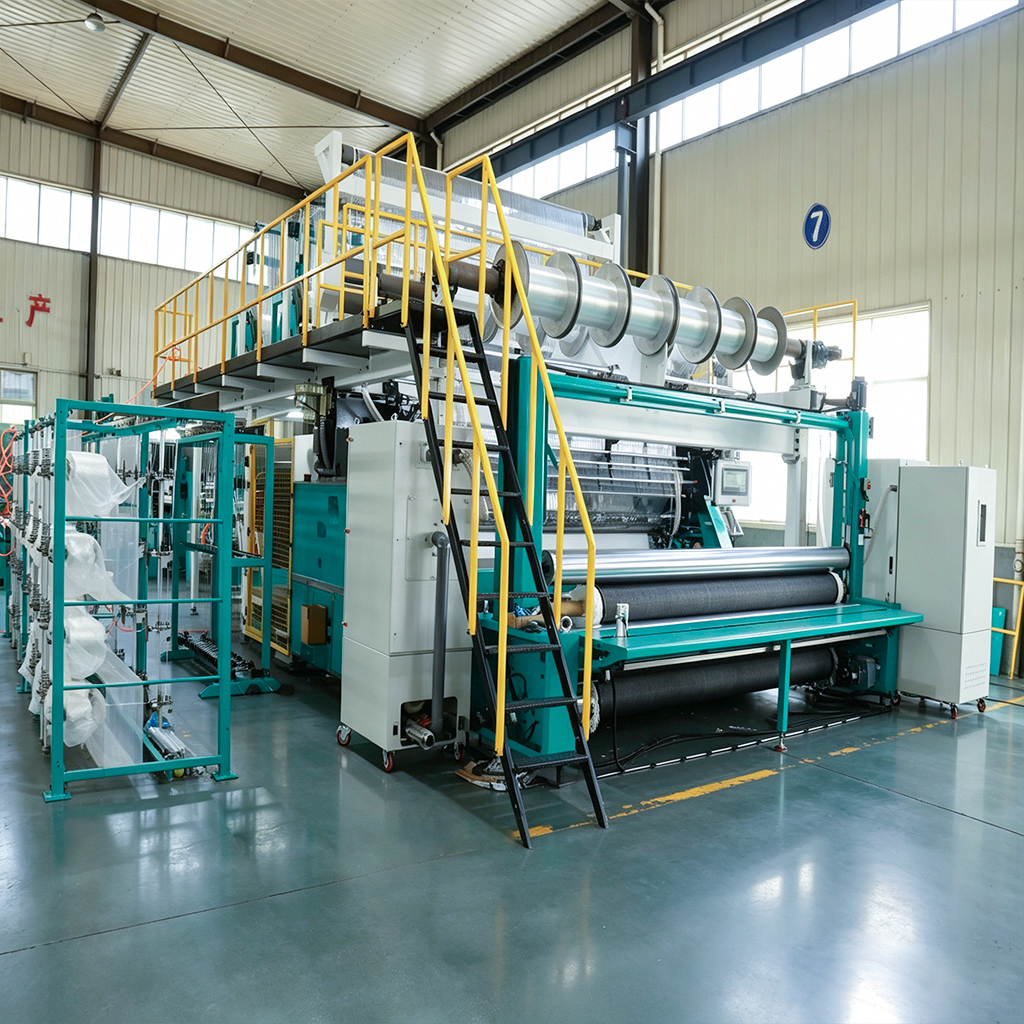
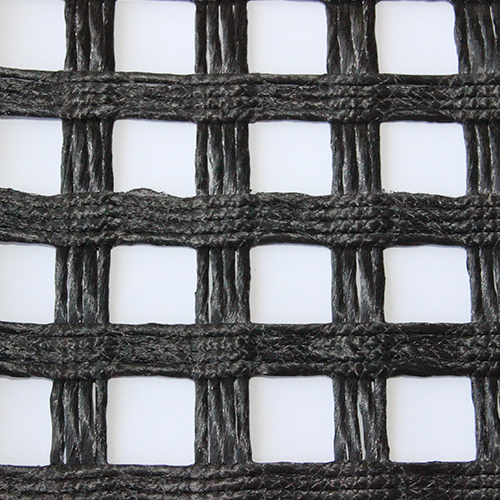
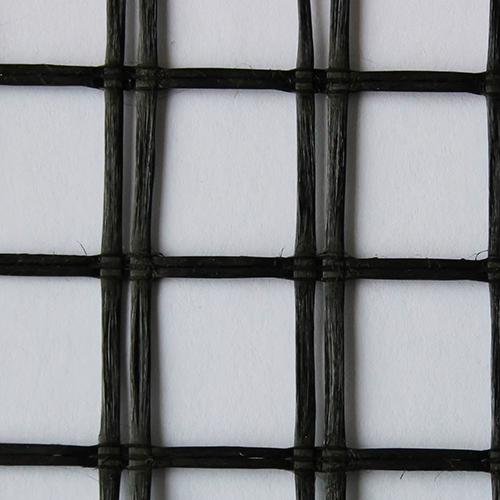
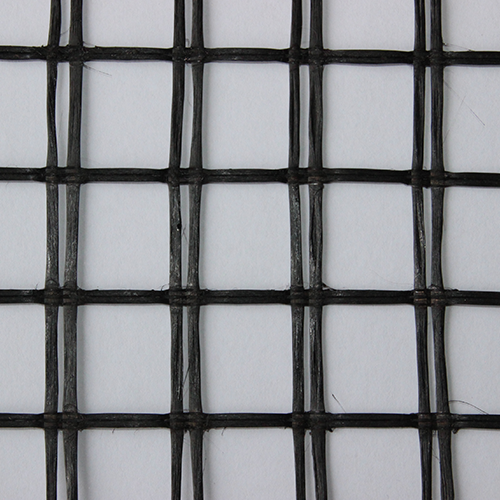
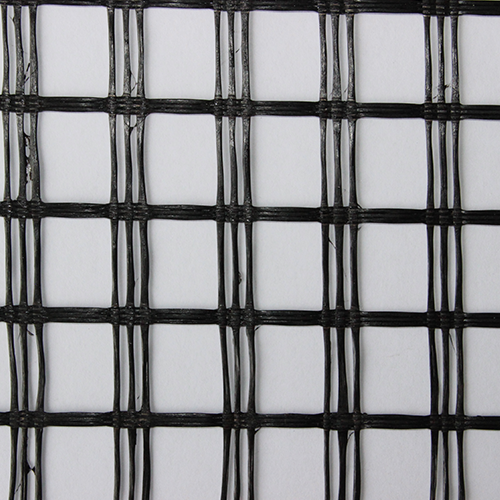
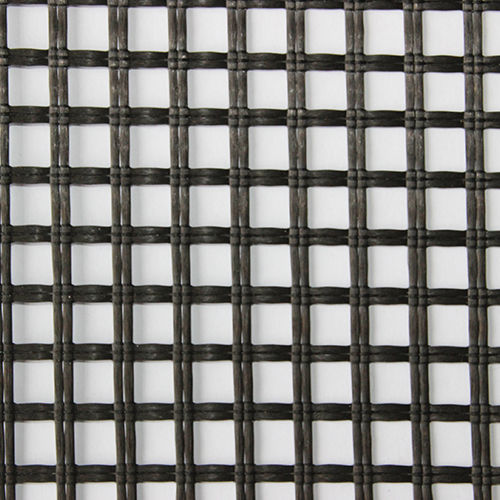
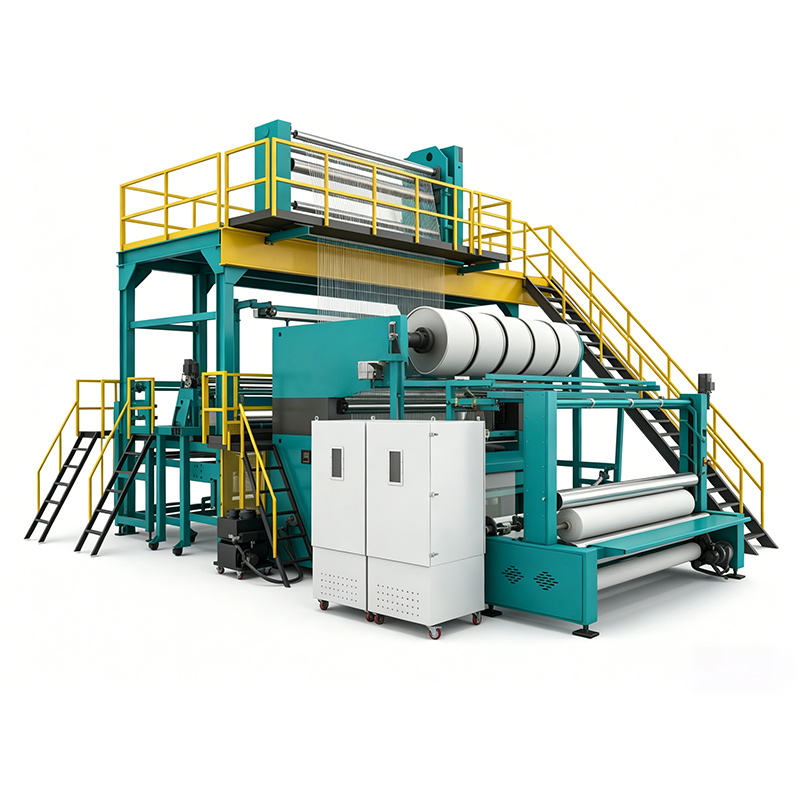
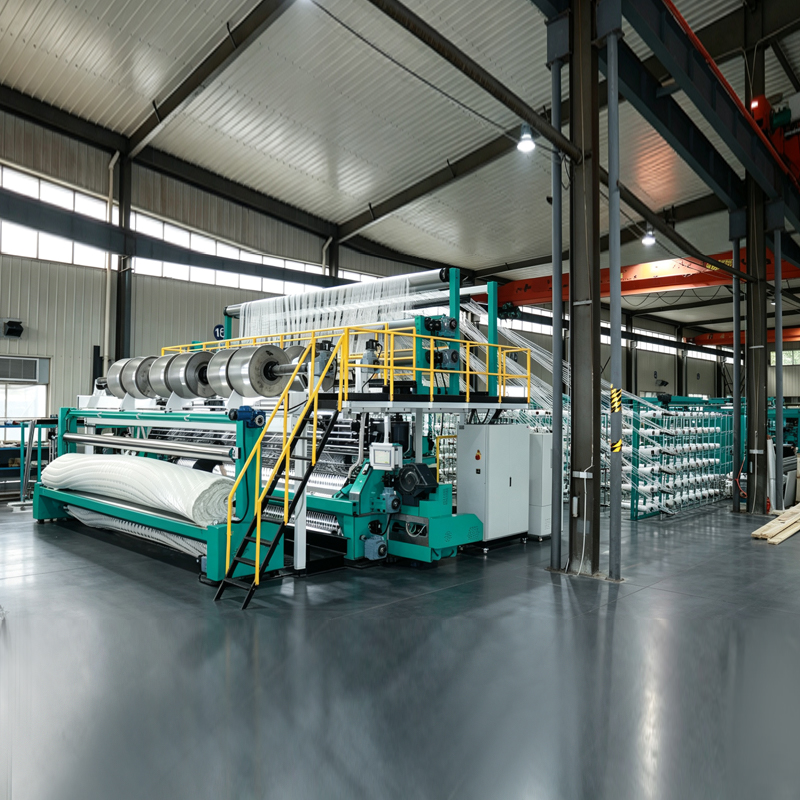
Changzhou Yuanyang Electromechanical Technology Co., Ltd. builds the YRS3-M-G Raschel Mesh-Geogrid Biaxial Warp Knitting Machine for plants producing geogrids and reinforcement grids from glass fiber and polyester. The machine lays high-strength fiber bundles in both warp and weft directions and binds them at the intersections, so the fibers stay as straight as possible inside the grid instead of bending around a weave crimp.
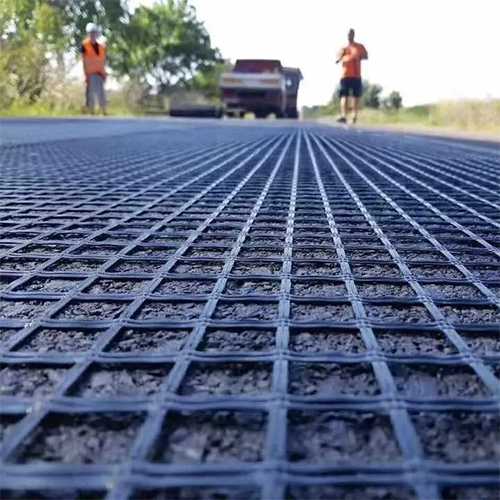
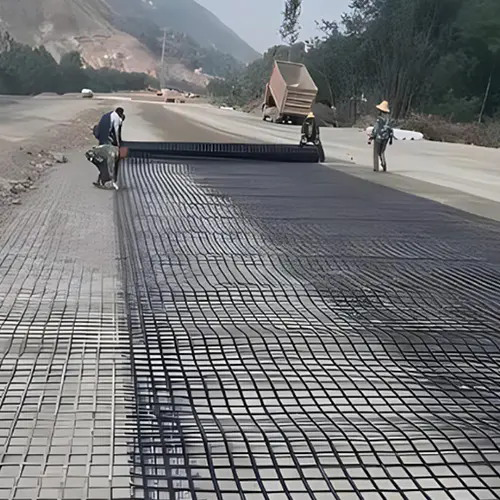
Our engineering work in this category covers the machine frame, warp and weft insertion, binding bar motion, drive and control configuration, and the take-up arrangement that suits the fabric construction you intend to run. The result is a grid with high tensile strength, dimensional stability and resistance to corrosion and oxidation, used in steep slope protection, soft soil foundation treatment and reinforced soil retaining wall projects.
What the YRS3-M-G Produces
As a Yrs3mg Raschel Meshgeogrid Biaxial Warp Knitting Machine Manufacturer, we match product configuration to the application, operating limits, interfaces and acceptance criteria defined for each project.
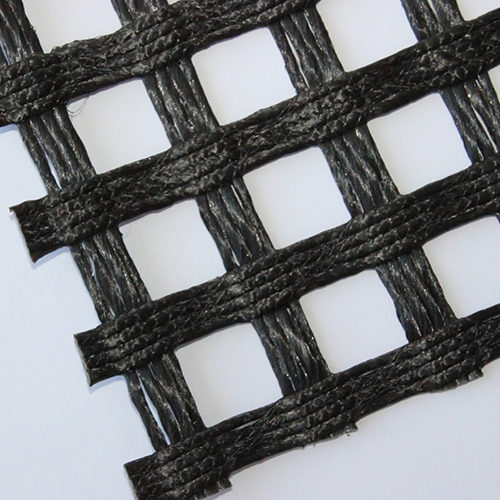
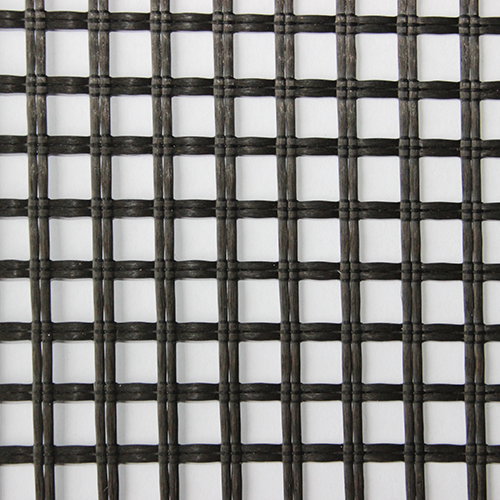
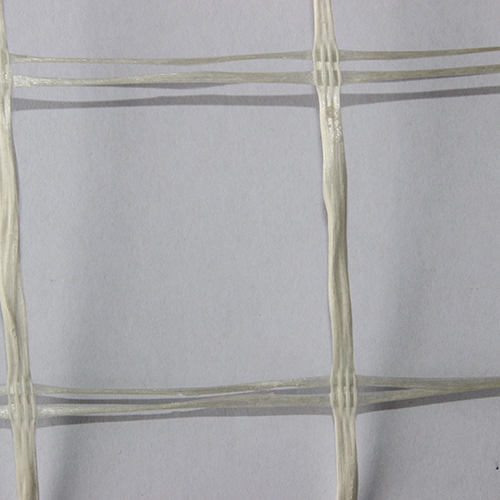
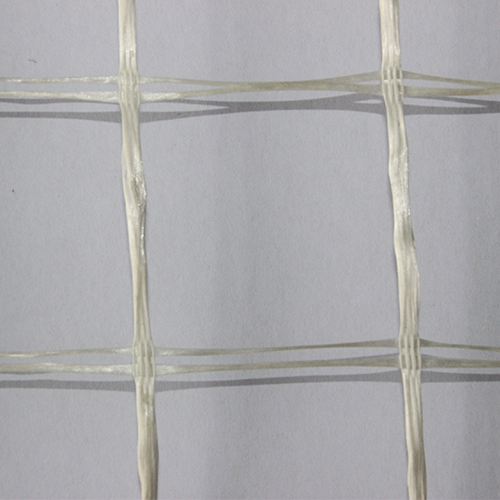
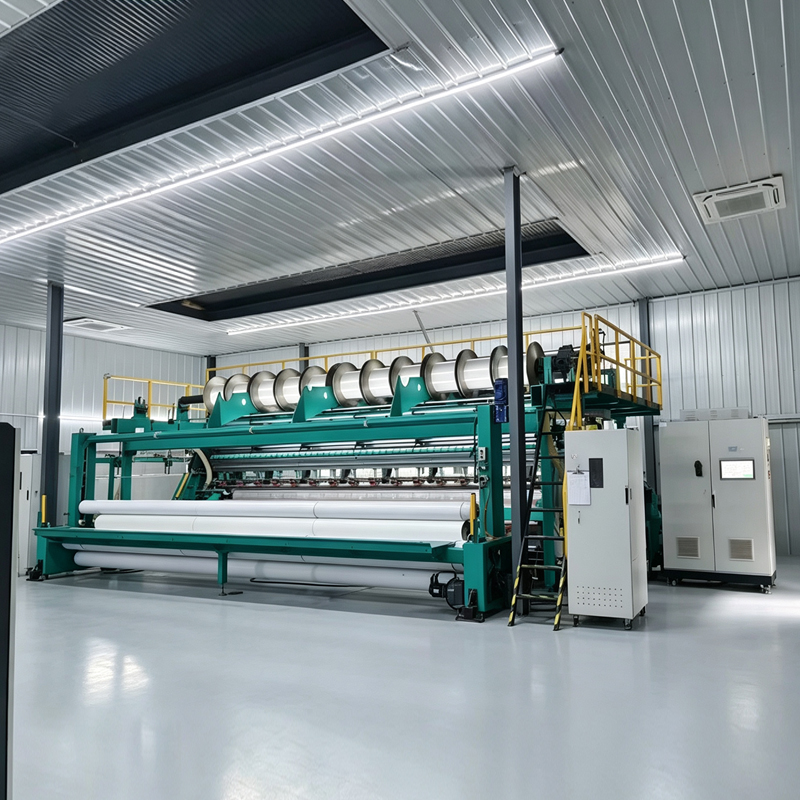
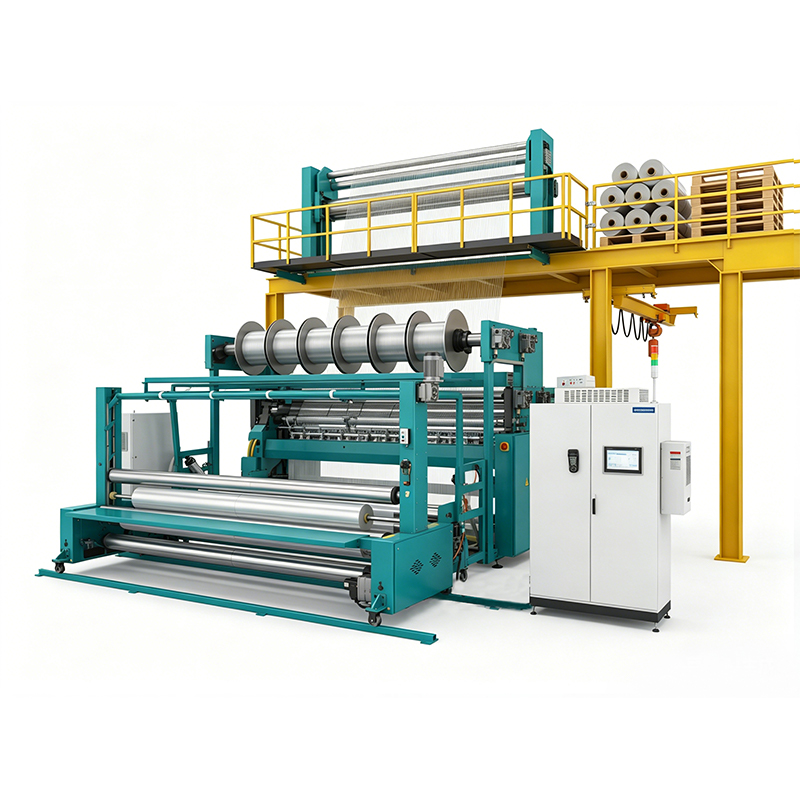
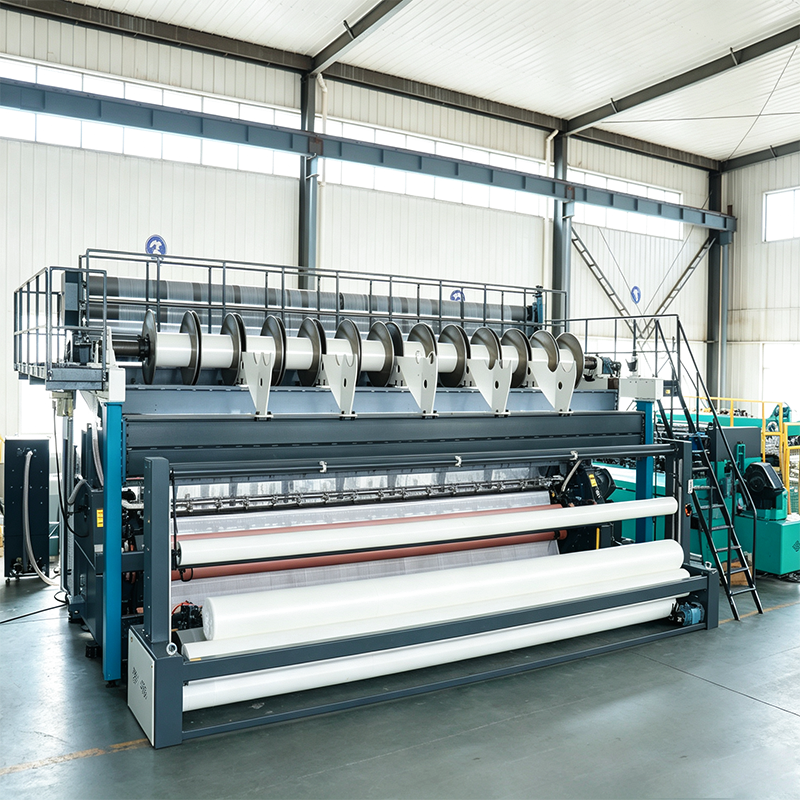
The YRS3-M-G is a biaxial raschel machine configured for mesh-geogrid structures. Warp and weft fiber bundles cross at defined intervals and are locked by a binding system, producing an open grid with continuous load paths in two directions. Because the bundles remain nearly straight, the finished geogrid converts fiber strength into grid strength efficiently.
- Applicable fibers: glass fiber and polyester, with the fiber package and tensioning arrangement selected for the yarn type.
- Core product: geogrid and mesh-geogrid reinforcement structures.
- Fabric behavior: high strength, low creep, adaptability to varied soil conditions, restraint of lateral soil movement and improved foundation load-bearing capacity.
- Application fields: steep slope protection, soft soil foundation treatment and reinforced soil retaining walls.
Key Specifications and What They Mean in Production
| Parameter |
Value |
Practical Meaning |
| Machine speed |
20-1500 r/min |
Wide operating window; the stable working point depends on fiber type, bundle count and grid density. |
| Working width |
247" |
Determines the maximum grid width per pass and the downstream cutting and roll format. |
| Specifications |
2 warp x 2 weft |
Biaxial lay-in architecture with two warp and two weft systems for balanced directional reinforcement. |
| Daily output |
15000 m² (reference) |
Indicative figure; actual output varies with fabric construction and process settings. |
Speed, width and grid geometry are linked. A denser grid or a heavier glass fiber bundle reduces the sustainable running speed, while a lighter polyester construction allows a higher working point. We set the proposal around the working point you need rather than a single headline number.
Configuration Options
The YRS3-M-G is configured around the fabric, not sold as a fixed package. Depending on the grid pattern and the fiber you process, our configuration work can cover:
- Warp and weft bundle spacing and the binding pattern that locks the intersections.
- Creel and tensioning arrangement adapted to glass fiber or polyester packages.
- Drive and control configuration matched to the required line interface.
- Take-up, batching and roll format aligned with your downstream handling.
- Machine structure and layout adjustments where the workshop footprint requires them.
Where the Machine Fits in Our Fiberglass Range
The YRS3-M-G sits inside our Machine for Fiberglass Textile range, alongside machines that add chopped fiber, nonwoven layers or higher reinforcement density. The table below shows where each type fits so the machine choice follows the fabric requirement.
| Machine |
Typical Fabric |
Where It Fits |
| YRS3-M-G |
Mesh-geogrid, biaxial grid |
Geotechnical reinforcement, slope and foundation work |
| YRS3-M-H High Strength Biaxial Warp Knitting Machine |
High-strength biaxial reinforcement fabric |
Structural reinforcement where higher bundle density is required |
| Yrs3mv Biaxial Warp Knitting Machine With Nonwoven Fabric |
Biaxial grid bonded with nonwoven |
Combined reinforcement and filtration or drainage layers |
| Yrs3mfi Raschel Chopped Fiber Biaxial Warp Knitting Machine Hx |
Biaxial grid with chopped fiber layer |
Composites and mats needing in-plane fiber coverage |
| YRS3-3M Multi-Axial Warp Knitting Machine |
Multiaxial reinforcement fabric |
Composite preforms with diagonal fiber orientation |
Materials, Tension and Grid Geometry
Glass fiber is brittle and unforgiving of sharp bends, so the yarn path, guide elements and tension control are set to keep the bundle straight and undamaged from creel to binding point. Polyester behaves differently, with more elongation and different package requirements. We select the creel, guide and tensioning arrangement for the fiber you actually run.
Grid geometry is defined by warp spacing, weft spacing and the binding pattern. These three variables set the aperture size, the open area and the tensile performance of the finished grid, and they also influence the achievable machine speed. When you specify the grid, we translate it into the machine setting that reproduces it consistently.
Installation, Utilities and Line Integration
The machine is delivered as a complete unit with the drive and control system integrated. Installation covers levelling and anchoring, connection of the electrical supply, and commissioning of the warp and weft systems to the fabric you intend to produce. Our engineers handle on-site installation, commissioning and training until the equipment runs to the agreed condition.
- Floor loading and machine footprint confirmed against your workshop layout before delivery.
- Electrical supply and control interface agreed during configuration.
- Take-up and batching arranged to match your downstream cutting or rolling equipment.
- Operator access and guarding reviewed as part of the installation plan.
Quality Control and Pre-Delivery Verification
Yuanyang follows a defined quality management process from component procurement through machining, assembly, testing and debugging. Every machine is tested before it leaves the factory. Our production base in Danyang carries out assembly, testing and pre-delivery verification, supported by an intelligent warehouse that manages receiving, storage, sorting and dispatch.
For a geogrid machine, pre-delivery work includes running the warp and weft systems, checking the binding action and confirming the grid geometry against the agreed sample. Where a customer sample or drawing defines the fabric, we produce to that reference.
Maintenance, Spare Parts and Operator Training
Wear parts in a biaxial geogrid machine are concentrated in the yarn path, the guide elements and the binding area. A planned maintenance routine covering guide inspection, tension calibration, lubrication and drive checks keeps the grid geometry stable over long production runs.
Our value-added service includes hands-on training for knitters and maintainers, workshop management training covering quality control, production planning and process parameters, and assistance in compiling quality system documentation. Training is delivered at our fabrication workshop or on site, and our after-sales engineers respond to production issues to shorten downtime.
Information We Use to Configure Your Solution
A geogrid machine proposal is built from the fabric outward. The following inputs let us define the machine configuration, the control setup and the acceptance criteria.
| Input |
Why We Need It |
| Fiber type and yarn specification |
Sets the creel, guide and tensioning arrangement. |
| Grid pattern, aperture and bundle spacing |
Defines the warp and weft setting and the binding pattern. |
| Required working width and roll format |
Confirms the machine width and the take-up arrangement. |
| Target output and shift pattern |
Establishes the working point and capacity planning. |
| Workshop layout and utilities |
Confirms footprint, floor loading and electrical supply. |
| Fabric sample or drawing |
Becomes the acceptance reference for pre-delivery testing. |
Where a standard configuration does not fit the fabric or the workshop, our customization process covers structure and layout redesign, functional module development, adaptation for special materials and process-oriented optimization. The workflow runs from drawings or samples through 3D confirmation, quotation, mold or pattern work, sample approval, production, inspection and delivery.
Frequently Asked Questions
Which fibers can the YRS3-M-G process?
The machine is configured for glass fiber and polyester. Because the two materials differ in elongation, brittleness and package format, the creel, guide elements and tensioning system are selected for the fiber you intend to run.
What does the 2 warp x 2 weft specification mean?
It describes the biaxial lay-in architecture: two warp and two weft fiber systems are laid into the structure and bound at their intersections. This produces a grid with continuous reinforcement in both directions, which is the basis for the load-bearing behavior of a geogrid.
How is the daily output figure of 15000 m² used?
It is a reference value for capacity planning. Actual output depends on the fabric construction, grid density, fiber type and the working point you select, so we calculate the expected output for your specific grid rather than quoting the reference figure as a guarantee.
Can the machine be adapted to our workshop and downstream line?
Yes. Machine structure and layout can be adjusted where the workshop footprint requires it, and the take-up and batching arrangement is matched to your downstream cutting or rolling equipment. Electrical supply and control interfaces are agreed during configuration.
What support is provided after delivery?
Our engineers carry out on-site installation, commissioning and training until the equipment runs to the agreed condition. We also provide knitter and maintainer training, workshop management training and long-term assistance with production issues, supported by our after-sales service system.
How do we start a configuration and quotation?
Send the fiber specification, grid pattern, required working width, target output and a fabric sample or drawing if available. We review the inputs, confirm the machine configuration and prepare the quotation against the agreed fabric reference.


 English
 中文简体
中文简体 русский
 Français
 Español
 Deutsch