

 English
 中文简体
中文简体 русский
 Français
 Español
 Deutsch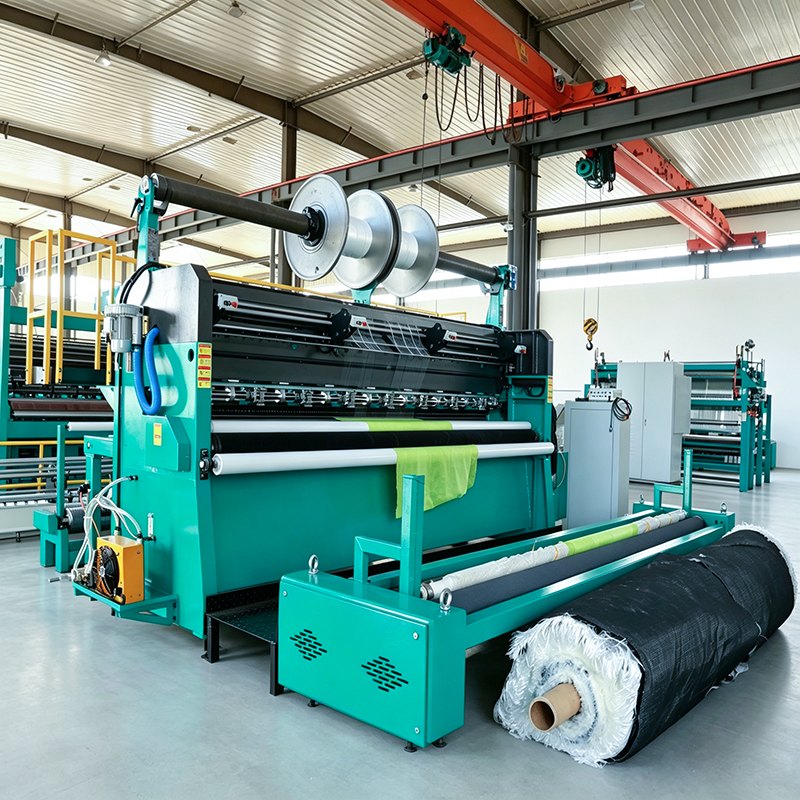

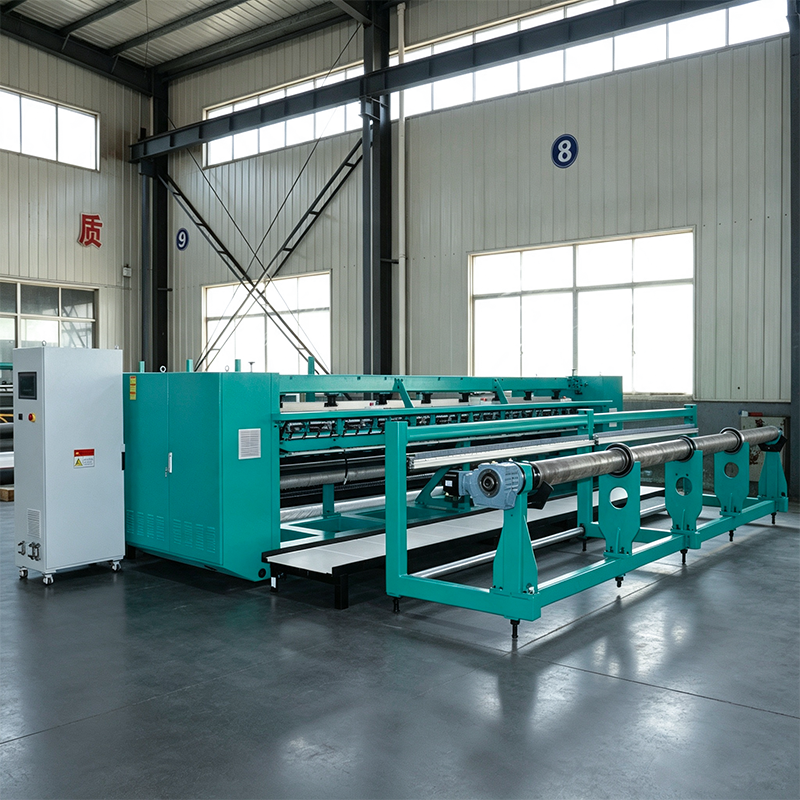
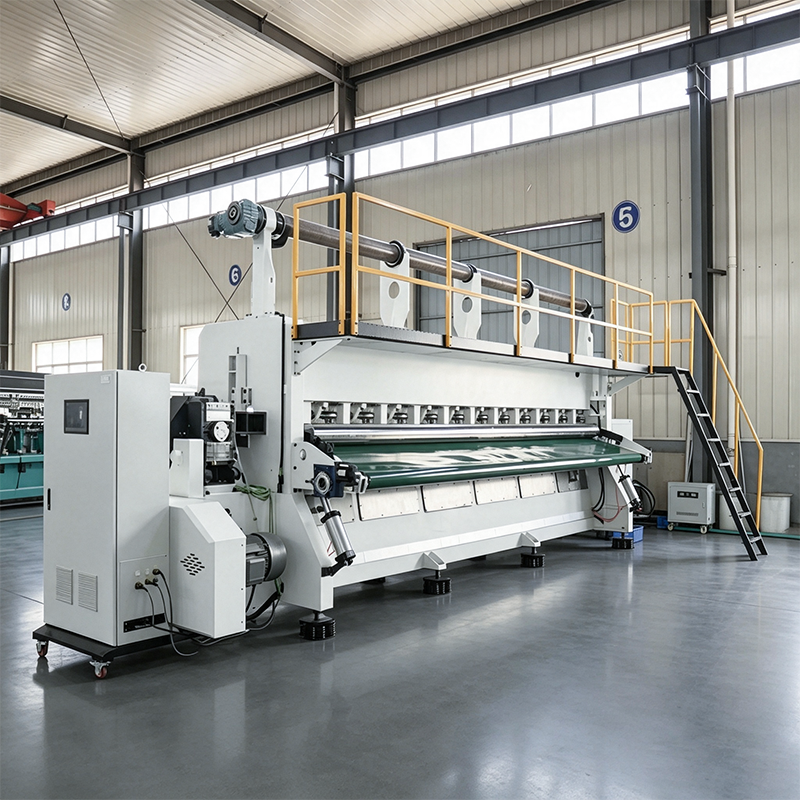
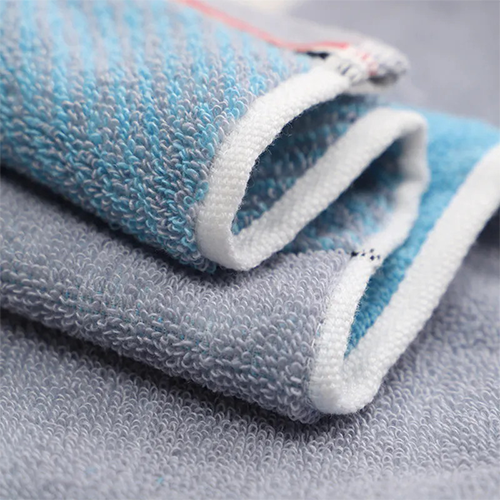
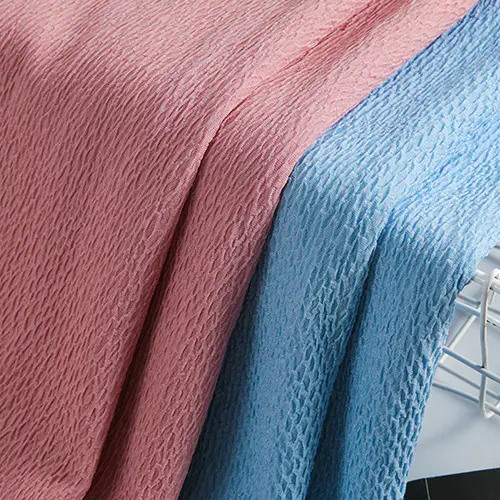
Warp Knitting Machines: Machine Architecture, Yarn Control and Industrial Fabric Output Inside a warp knitting machine, every single yarn has its own itinerary. A thousand or more...
READ MORE
About
Changzhou Yuanyang Electromechanical Technology Co., Ltd.
Located in Changzhou, Jiangsu Province—a key hub of the textile equipment industry in China, Changzhou Yuanyang Electromechanical Technology Co., Ltd. is a high-tech enterprise integrating R&D, manufacturing, sales and service dedicated to the textile machinery sector. Since its establishment, the company has been adhering to the mission of "Driving Innovation in Textile Machinery with Technology, Building Industry Trust with Quality", deeply rooted in the warp knitting equipment and supporting fields. Relying on profound technical accumulation, rigorous manufacturing techniques and a comprehensive service system, it has become a highly competitive professional supplier in the domestic textile machinery industry.
As China Warp Knitting Machine for Chemical Fiber Textile Manufacturers and Warp Knitting Machine for Chemical Fiber Textile Factory, our main business focuses on the R&D and sales of high-end textile machinery. Its core product portfolio includes mainstream warp knitting equipment, such as stitch-bonding machines, biaxial warp knitting machines, multiaxial warp knitting machines, carbon fiber multiaxial warp knitting machines, powder-scattering machines, and web-laying machines. Meanwhile, it provides personalized customization services for a range of high-precision warp-knitting accessories and specialized equipment. The products are widely used in multiple fields, including industrial textiles, high-end fabrics, carbon fiber composite materials, and non-woven fabrics. Featuring high efficiency, stability, intelligent precision, and energy conservation, they can meet the diversified production demands of textile enterprises of different scales, helping customers improve production efficiency and product quality.
Based on the present and looking into the future, Changzhou Yuanyang Electromechanical Technology Co., Ltd. will continue to uphold the core values of "Innovation, Quality, Integrity and Win-Win Cooperation". It will further deepen technological R&D, optimize product portfolio, upgrade service quality, and strive to provide higher-quality warp knitting equipment solutions for global textile enterprises, joining hands with customers to create a bright future for the high-quality development of the textile industry.
News
-
-
Which Machine Category Matches Each Technical Fiber and Fabric Goal A warp knitting machine is the primary production platform for technical fiber textiles across fiberglass, chemi...
READ MORE -
What Is a Tricot Warp Knitting Machine A tricot warp knitting machine is a textile production machine that forms fabric by looping many parallel yarns fed from a warp beam, with e...
READ MORE -
From September 1 to 3, 2026, the Yuan Yang team conducted technical exchanges with industry professionals during the Shanghai Composite Materials Exhibition and the Technical Texti...
READ MORE
Message Feedback
Machine for Chemical Fiber Textile Industry knowledge
Changzhou Yuanyang Electromechanical Technology Co., Ltd. designs and builds warp knitting equipment for chemical fiber textile production. Our range covers stitch-bonding machines, biaxial and multiaxial warp knitting lines, and supporting units such as powder-scattering and web-laying machines, all configured around the fiber, fabric structure and output target of each project.
Our Position in Chemical Fiber Warp Knitting
Yuanyang is a high-tech textile machinery enterprise based in Changzhou, Jiangsu Province, working from a 12,000+ m² production base with an annual capacity of 200+ sets and 50+ skilled employees. We handle the R&D, manufacturing, assembly, testing and pre-delivery verification of every machine in our chemical fiber range.
Our engineering work is aimed at projects where standard equipment is not enough: non-standard configurations, complex fabric designs, difficult fibers, and lines that must hold stability over years rather than peak speed for a season. As a Warp Knitting Machine for Chemical Fiber Textile Manufacturers, we build the machine around the fabric you need to sell.
Machine Range for Chemical Fiber Textiles
Each machine type in this category addresses a different fabric family and production logic. The table below maps our supplied range to typical applications and the configuration variables we work through with you.
| Machine | Typical Fabrics / Applications | Key Configuration Variables |
|---|---|---|
| FB Fiber Web Stitch Bonding Machine | Lixin fabric, wire harness tape, curtain fabrics, home textile nonwovens, waterproof membranes, shoe materials | Working width, fiber web weight, stitch pattern, needle and guide bar arrangement |
| YS Stitch Bonding Machine | Lixin fabric, wire harness tape, medical bandages, garment interlinings, curtain fabrics, shoe materials | Base material type, loop pile structure, working width, production speed |
| YHS High Speed Stitch Bonding Machine | High-volume nonwoven and stitch-bonded fabrics, waterproof membranes, shoe materials | Speed range up to 2000 r/min, web thickness, fabric weight, output target |
| YRS3-M-B Raschel Banner Biaxial Warp Knitting Machine | Banner fabrics, coated substrates, industrial reinforcement textiles | Biaxial yarn orientation, fabric weight, coating compatibility, width |
| TM Towel Machine | Terry cloth, plush fabrics, home textiles | Pile height, loop structure, yarn count, fabric width |
| YXKS2-M Biaxial Warp Knitting Machine | Industrial textiles, geotextile substrates, composite reinforcement layers | Yarn orientation angle, fabric weight, working width, line speed |
Fiber and Material Considerations
Chemical fiber covers a wide family: polyester, polyamide, polypropylene, viscose and blends, each with different elongation, friction and heat sensitivity. These differences affect yarn tension control, needle selection, guide bar timing and the stitch structure we can hold reliably at production speed.
- Fiber type and denier: determines yarn path, tension settings and needle gauge.
- Web or base material weight: sets the stitch-bonding penetration and feed rate.
- Fabric structure: plain stitch, loop pile, biaxial orientation or terry pile each require different bar and needle arrangements.
- Finishing route: coating, lamination or dyeing compatibility influences fabric density and surface stability.
Capacity, Accuracy and Line Integration
Our stitch-bonding machines run from 50 to 1200 r/min, and the YHS high-speed model reaches 2000 r/min. Working width is available up to 4400 mm (173"), with daily output depending on fabric construction and process settings. These figures are reference points; the actual working point is set during configuration.
We configure the control system around the required line interface, including drive coordination, tension control and operator HMI. Where the machine sits inside a wider production line, we confirm the upstream web-forming or powder-scattering unit and the downstream winding or coating stage so the interfaces match.
Configuration Options
- Working width and gauge matched to the target fabric width and yarn count.
- Needle and guide bar arrangement for the required stitch or pile structure.
- Speed range selected for the production target rather than the maximum figure.
- Machine structure and layout redesign where the workshop footprint or material flow requires it.
- Functional module development or integration for special materials and process steps.
- Colour customization for equipment supplied to branded production environments.
Installation, Commissioning and Training
Once equipment arrives, our engineer is assigned to the customer's factory for on-site installation, commissioning and training until the line runs to the agreed working point. We also train operators and maintainers at our own fabrication workshop, where participants can join the installation process and gain hands-on experience.
- Maintainer training: installation participation and practical maintenance in the fabrication workshop.
- Knitter training: hands-on operation experience in the fabrication workshop.
- Workshop management training: quality control, production planning and process parameters.
- System documentation: we assist customers in establishing and compiling quality system documents.
Quality Control and Acceptance
Yuanyang follows quality management system standards with refined control from component procurement through production, assembly, testing and debugging. Every machine undergoes rigorous testing before leaving the factory. Our production base includes inspection rooms and an intelligent warehouse with digital control of warehousing, storage, sorting, inventory checking and delivery.
Acceptance is handled against the agreed fabric specification: stitch structure, fabric weight, width and running stability at the production speed. Where a customer prefers to inspect with us, we arrange joint inspection before shipment.
Customization and Engineering Support
Customization at Yuanyang goes beyond parameter changes. Depending on the application, it can involve machine structure and layout redesign, functional module development or integration, adaptation for special materials, and process-oriented optimization for stability and efficiency.
Our customization process runs from drawings or samples through 3D drawing confirmation, quotation, mold or pattern making, sample approval, mass production, quality inspection and delivery. This sequence keeps the engineering intent visible at each stage, which matters most on non-standard configurations and complex fabric designs.
Information We Use to Configure Your Solution
To prepare a suitable configuration and quotation, we work from the production target rather than a generic model list. The following inputs let us match machine type, width, speed and tooling to your fabric.
- Target fabric and its structure, weight and width.
- Fiber type, denier and any blend or special material.
- Required daily or annual output and the working pattern.
- Upstream and downstream equipment in the line.
- Workshop layout, available footprint and utility supply.
- Finishing route and any coating or lamination step.
- Samples or drawings of the fabric to be produced.
Related Equipment Across Our Range
Chemical fiber production often sits alongside other material lines. Our Machine for Fiberglass Textile range covers mesh, geogrid and chopped-fiber stitch-bonding equipment, while our Machine for Carbon Fiber Textile range addresses multiaxial reinforcement fabrics. Together with the chemical fiber range, these cover industrial textiles, high-end fabrics, composite materials and nonwovens.
Frequently Asked Questions
What chemical fiber fabrics can your machines produce?
Our range covers stitch-bonded nonwovens, loop pile fabrics, Lixin fabric, wire harness tape, medical bandages, garment interlinings, curtain fabrics, waterproof membranes, shoe materials, banner fabrics and terry cloth. The machine type and configuration are selected around the specific fabric structure and fiber.
What working width and speed can you supply?
Stitch-bonding machines in this range run from 50 to 1200 r/min with working width up to 4400 mm (173"). The YHS high-speed model reaches 2000 r/min. Actual output depends on fabric construction and process settings, so we confirm the working point during configuration.
Can you customize a machine for a non-standard fabric?
Yes. We handle non-standard configurations, complex fabric designs and difficult materials. Customization can include machine structure and layout redesign, functional module development, material adaptation and process-oriented optimization. The process starts from your drawings or samples and moves through 3D confirmation, quotation, sample approval and production.
How is the machine installed and commissioned?
Our engineer is assigned to your factory for on-site installation, commissioning and training until the equipment runs to the agreed working point. We also provide maintainer, knitter and workshop management training at our fabrication workshop, and assist with quality system documentation.
What information do you need to prepare a proposal?
We need the target fabric and its structure, weight and width; fiber type and denier; required output; upstream and downstream equipment; workshop layout and utilities; finishing route; and any samples or drawings. With these inputs we can match machine type, width, speed and tooling and issue a configuration and quotation.
-
Contact Info.
+86-198 5534 1617
+86-134 0158 3002yuanyang@yywarpknitting.com 699#, Shengzhi West Rd, Lvcheng Town, Danyang City, Zhenjiang City, Jiangsu Province, China
-
QR Code
-
Quick Links
Home About Products Manufacturing Customization News Contact -
Product List
Machine for Chemical Fiber Textile Machine for Fiberglass Textile Machine for Carbon Fiber Textile -
About Us
Company Profile Factory Gallery Value-added Service
Copyright © 2026 Changzhou Yuanyang Electromechanical Technology Co., Ltd. All Rights Reserved.
OEM/ODM Warp Knitting Machine for Chemical Fiber Textile Factory
