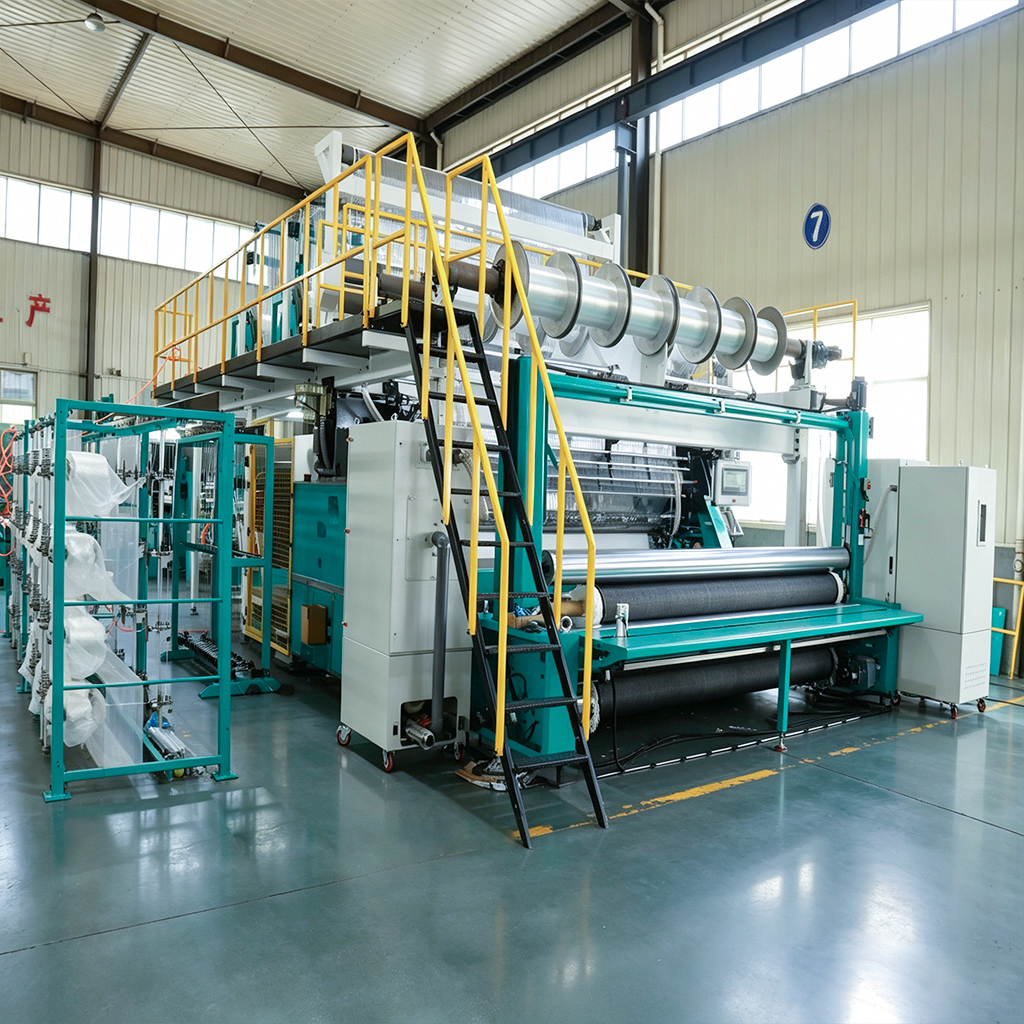
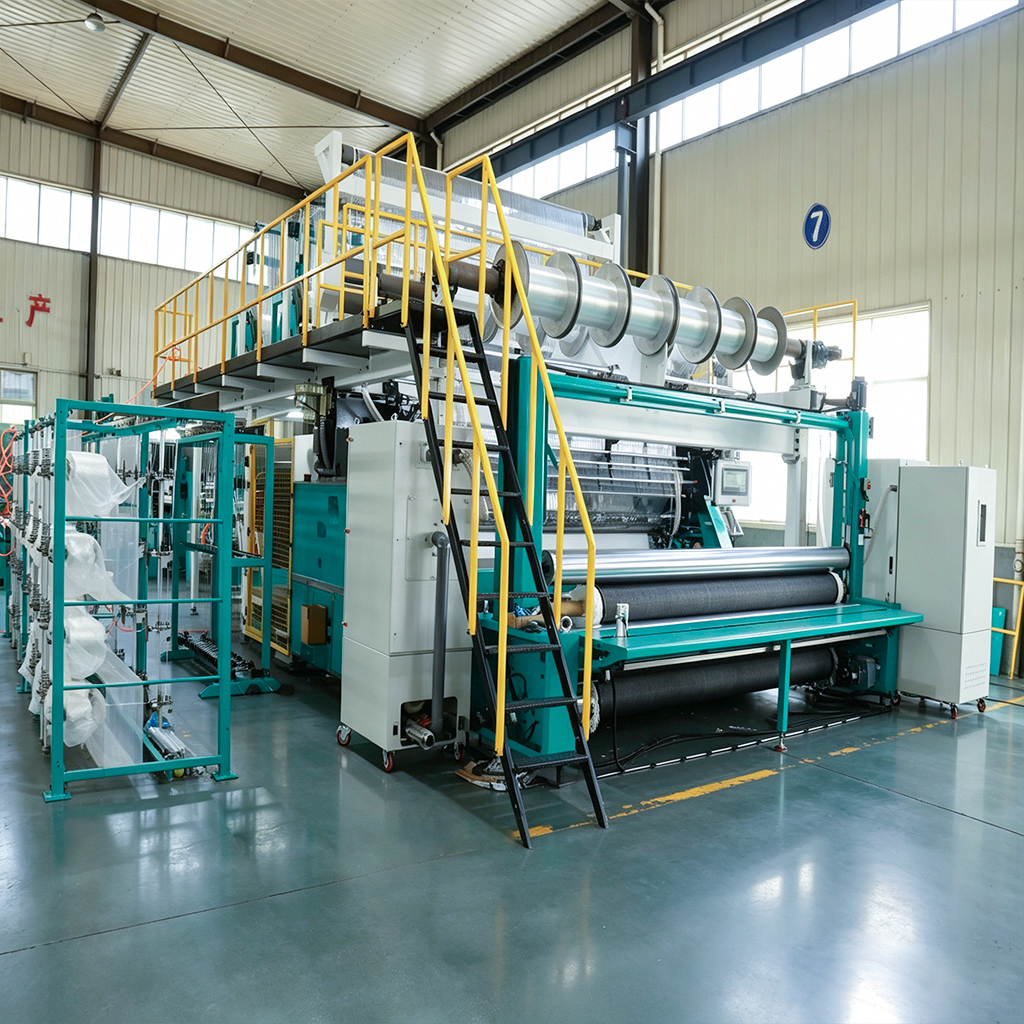
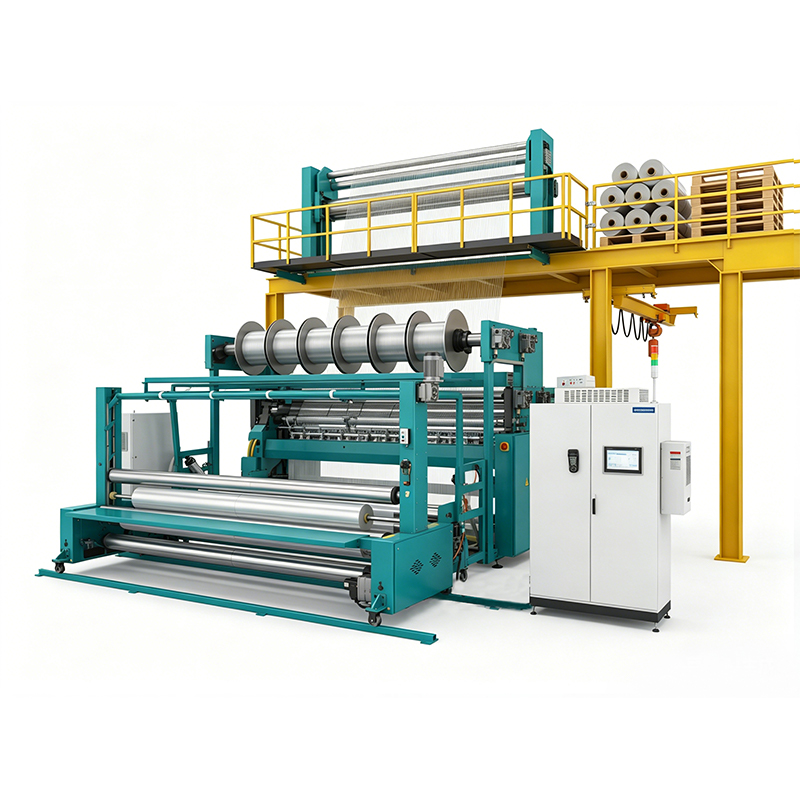
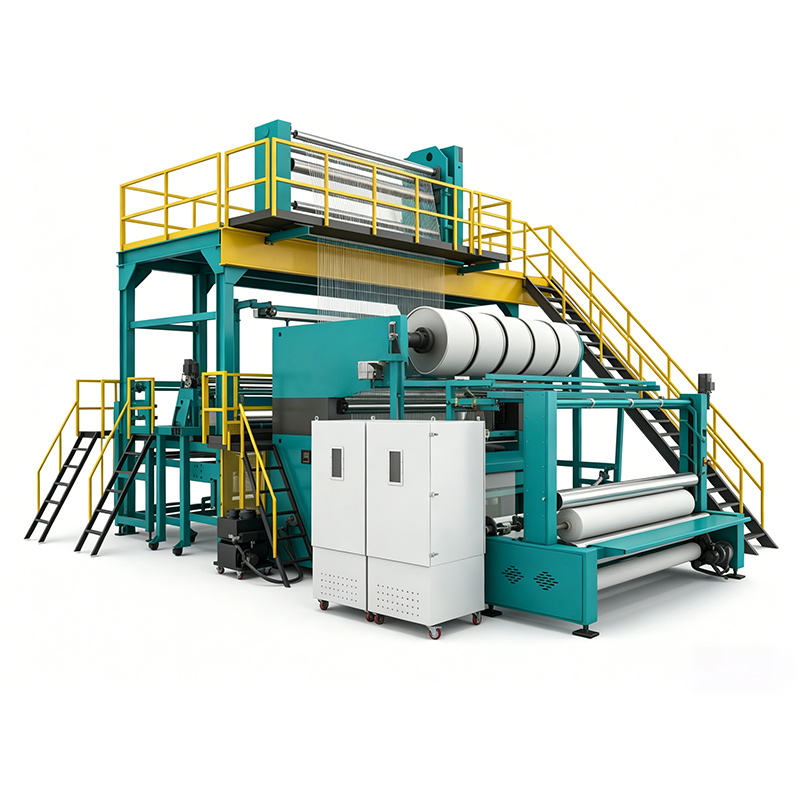
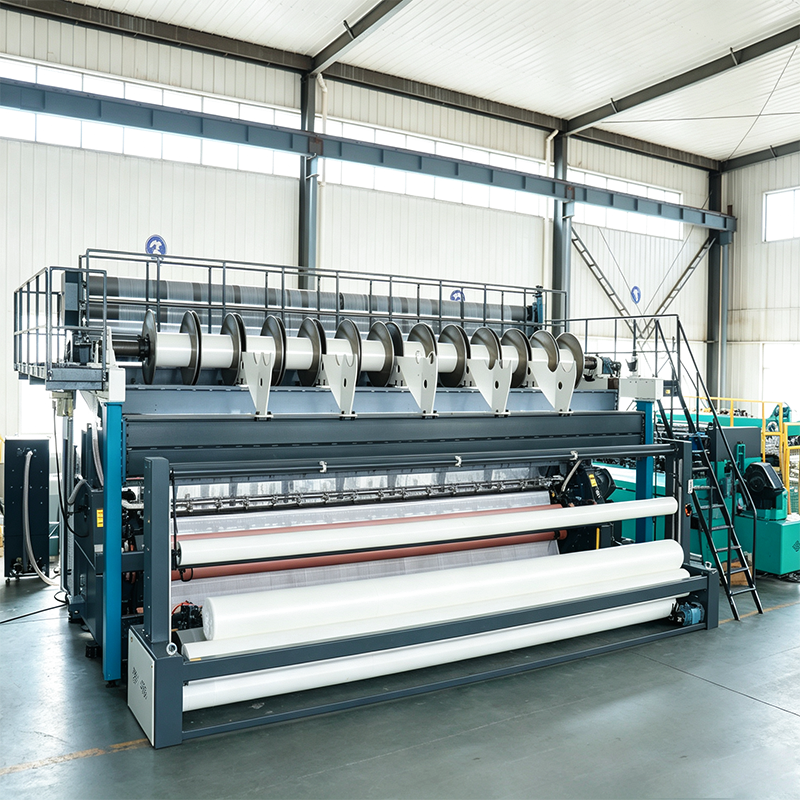
Changzhou Yuanyang Electromechanical Technology Co., Ltd. builds the YRS3-M-V Biaxial Warp Knitting Machine With Non-Woven Fabric for composite geogrid production. The machine combines a nonwoven layer with a biaxial warp-knitted glass or polyester structure in a single pass, producing a reinforcement fabric that also filters, separates and protects.
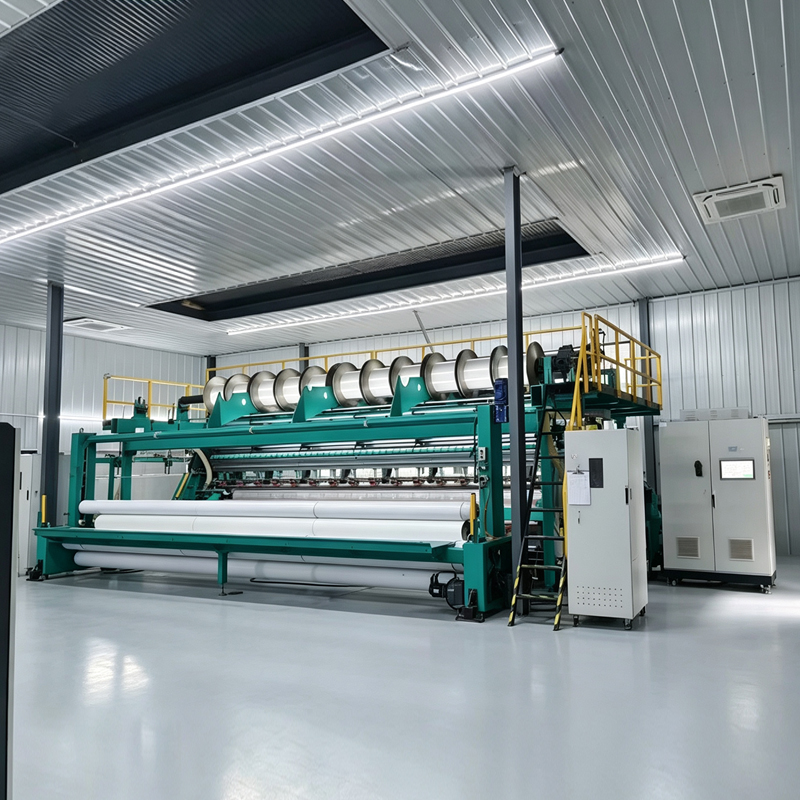
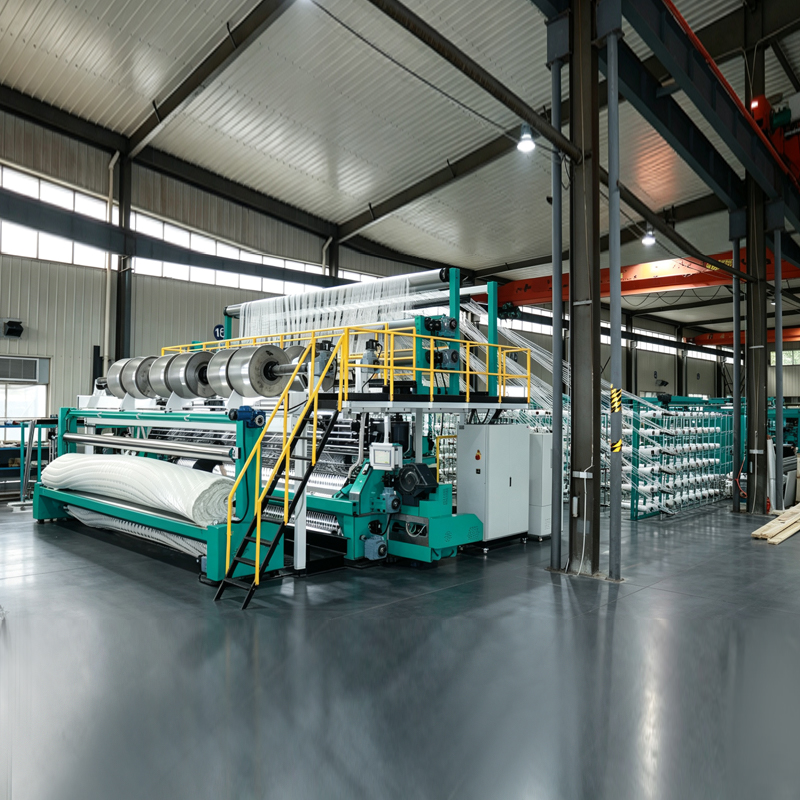
We manufacture this model in our Danyang production base, where assembly, testing and pre-delivery verification are completed before shipment. The YRS3-M-V is configured around the working width, yarn system, fabric construction and nonwoven feed required by each project.
What the YRS3-M-V Produces
As a Yrs3mv Biaxial Warp Knitting Machine With Nonwoven Fabric manufacturer, we match product configuration to the application, operating limits, interfaces and acceptance criteria defined for each project.
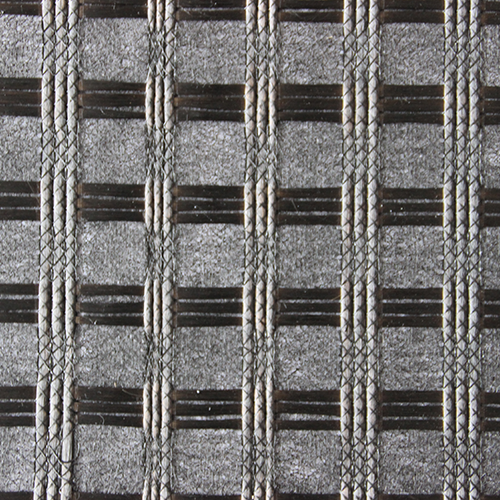
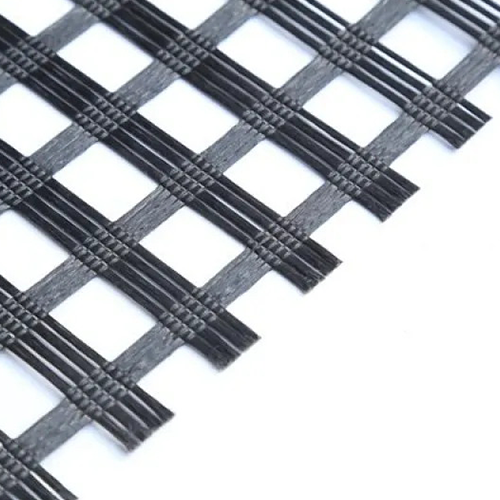
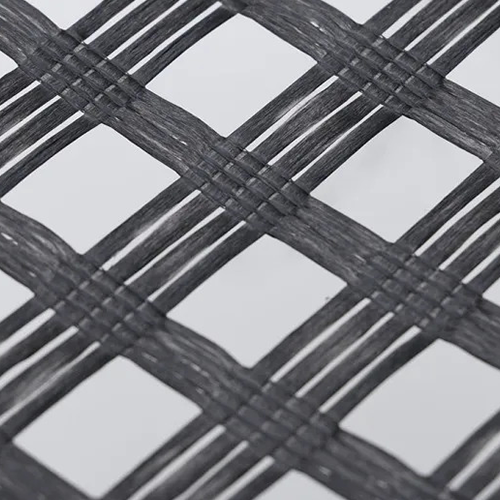
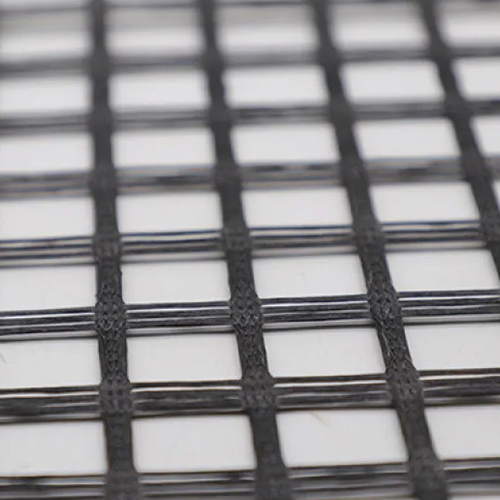
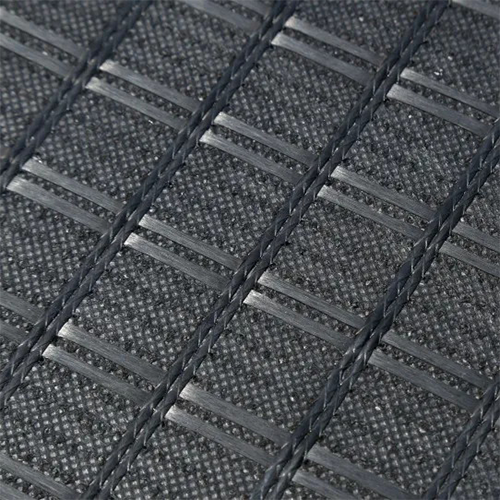
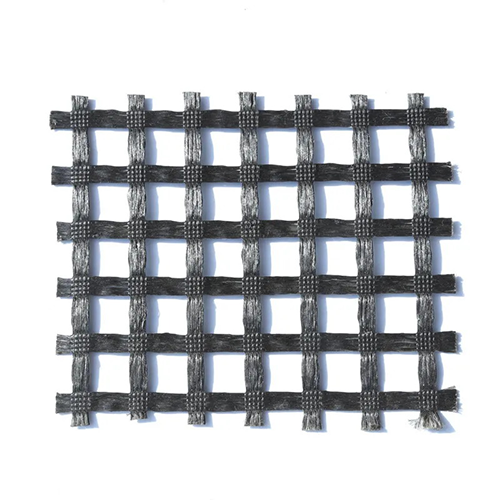
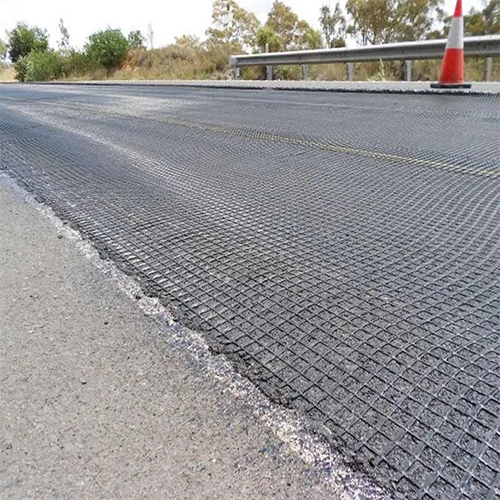
The YRS3-M-V is a biaxial warp knitting machine with an integrated nonwoven fabric feed. It lays warp and weft yarns in two directions and stitches them together while a nonwoven layer is fed into the same structure. The result is a composite geogrid with uniform apertures and a nonwoven backing that performs several functions at once.
- Applicable fibers: glass fiber and polyester.
- Core product: composite nonwoven stitch-bonded geogrid.
- Fabric characteristics: uniform apertures; the nonwoven layer adds reinforcement, protection, filtration and separation.
- Application fields: reinforcement of railway subgrades, and strengthening and crack prevention for roads and embankments.
Key Specifications
The published working point of the YRS3-M-V is a machine speed of 50–1200 r/min with a working width of 215 inches and a 4 warp × 4 weft yarn configuration. Daily output is approximately 10,000 m² under reference conditions; actual output depends on fabric construction, yarn type and process settings.
| Parameter |
Value |
Notes |
| Machine speed |
50–1200 r/min |
Set according to yarn and fabric construction |
| Working width |
215" |
Other widths available on request |
| Yarn configuration |
4 warp × 4 weft |
Biaxial lay-in structure |
| Daily output |
≈10,000 m² |
Reference only; varies with construction and process |
| Fibers |
Glass fiber, polyester |
Other fibers evaluated per project |
Configuration Options
We configure each YRS3-M-V around the fabric the customer needs to sell. The main variables are working width, yarn count and type, weft insertion density, nonwoven feed arrangement, and the control system interface to the customer's line.
- Working width: standard 215"; other widths quoted on request.
- Yarn system: glass fiber or polyester, with guide and tension elements selected for the fiber.
- Nonwoven feed: integrated feed path for the nonwoven layer, with tension control matched to the composite structure.
- Control and automation: machine control configured around the required line interface, including speed, tension and production monitoring signals.
- Customization: structure and layout changes, functional module integration, and adaptation for special materials are handled through our engineering process.
Application Fit
The YRS3-M-V is aimed at geotechnical and building material producers who need a composite geogrid that reinforces soil while filtering and separating layers. Typical end uses are railway subgrade reinforcement, road and embankment strengthening, and crack prevention in infrastructure projects.
Because the nonwoven layer is combined with the biaxial structure in one machine, the fabric delivers several functions simultaneously: reinforcement, filtration, separation, drainage and protection. This reduces the number of separate processes a producer needs to run.
Related Machines in Our Range
The YRS3-M-V sits within our fiberglass textile machine range. Other models address different fabric structures and production requirements.
Installation, Commissioning and Training
After delivery, our engineers attend the customer's factory for on-site installation, commissioning and training until the machine runs to the agreed working point. Training covers machine operation, process parameter setting and routine maintenance.
We also offer hands-on training at our fabrication workshop for knitters, maintainers and workshop management. Participants can join the installation process and receive practical maintenance training in the workshop.
Quality Control and Documentation
Every YRS3-M-V undergoes testing and debugging before leaving our factory. We control the process from component procurement through production and assembly to final testing, and we can assist customers in establishing and compiling quality system documents.
Documentation supplied with the machine covers operation, maintenance and process parameters. Spare parts and long-term service support are handled through our after-sales network.
Information We Use to Configure Your Solution
To prepare a configuration and quotation for the YRS3-M-V, we need the following project information. The more precise the input, the more accurately we can match the machine to your production target.
- Fabric construction: yarn type, yarn count, warp and weft density, target weight per square meter.
- Nonwoven layer: type, weight and width of the nonwoven to be combined.
- Working width: required finished width and any edge trim allowance.
- Production target: required output per shift or per day, and operating hours.
- Line interface: upstream and downstream equipment, control signals and automation requirements.
- Utilities and installation: available power supply, compressed air, floor space and workshop layout.
- Acceptance criteria: fabric tests, speed trials and any compliance documentation required.
Frequently Asked Questions
What fibers can the YRS3-M-V process?
The machine is set up for glass fiber and polyester as standard. Other fibers can be evaluated during configuration if the yarn characteristics suit the biaxial lay-in and stitch-bonding process.
Can the working width be changed from 215 inches?
Yes. The 215-inch width is our standard reference. We quote other working widths on request, subject to the fabric construction and nonwoven feed requirements.
What is the actual daily output?
The reference figure is approximately 10,000 m² per day. Actual output depends on fabric construction, yarn type, machine speed and process settings, so we confirm the expected output against your specific fabric during configuration.
Does the machine include the nonwoven feed system?
Yes. The YRS3-M-V integrates the nonwoven fabric feed with the biaxial warp knitting structure so the composite geogrid is produced in one pass.
What support is provided after delivery?
Our engineers attend the customer's factory for installation, commissioning and training. We also provide workshop-based training for knitters and maintainers, and long-term after-sales support through our service network.
Can the machine be customized for a special fabric?
Yes. Customization can involve structure and layout redesign, functional module integration, and adaptation for special materials. We work from drawings or samples and confirm the design before production.


 English
 中文简体
中文简体 русский
 Français
 Español
 Deutsch