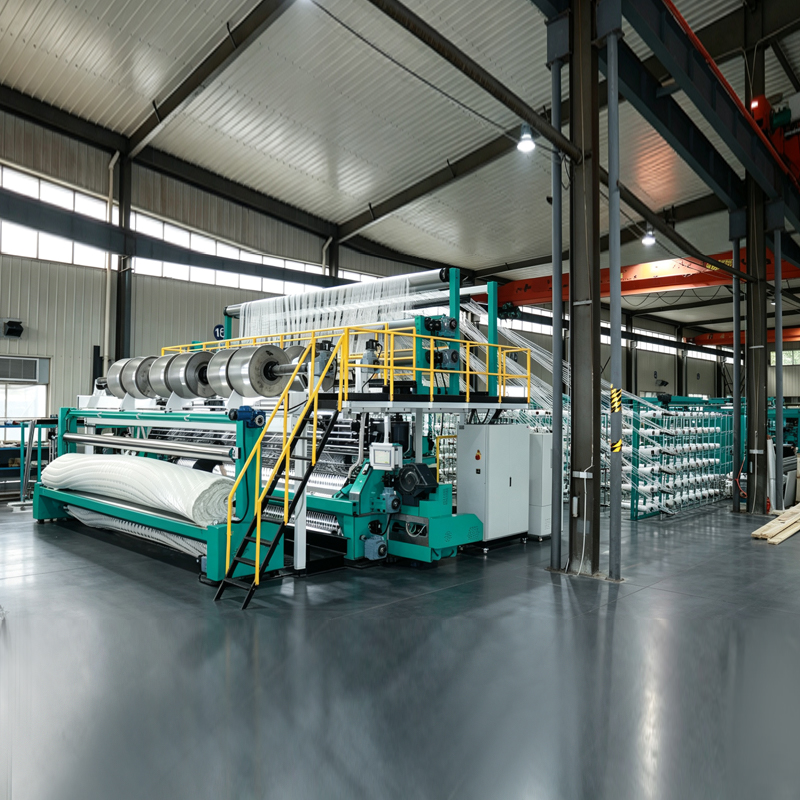
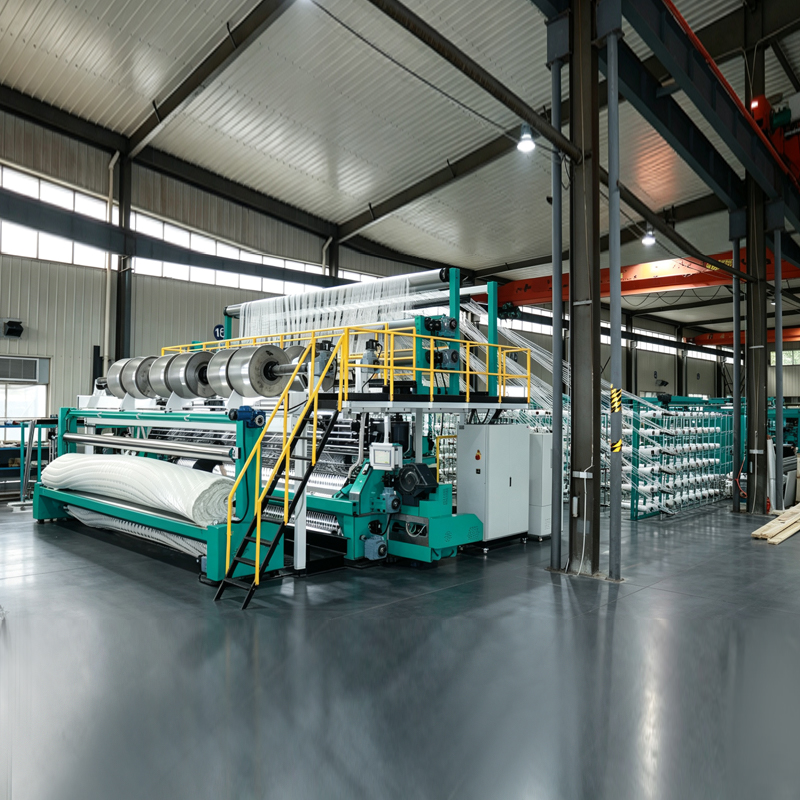
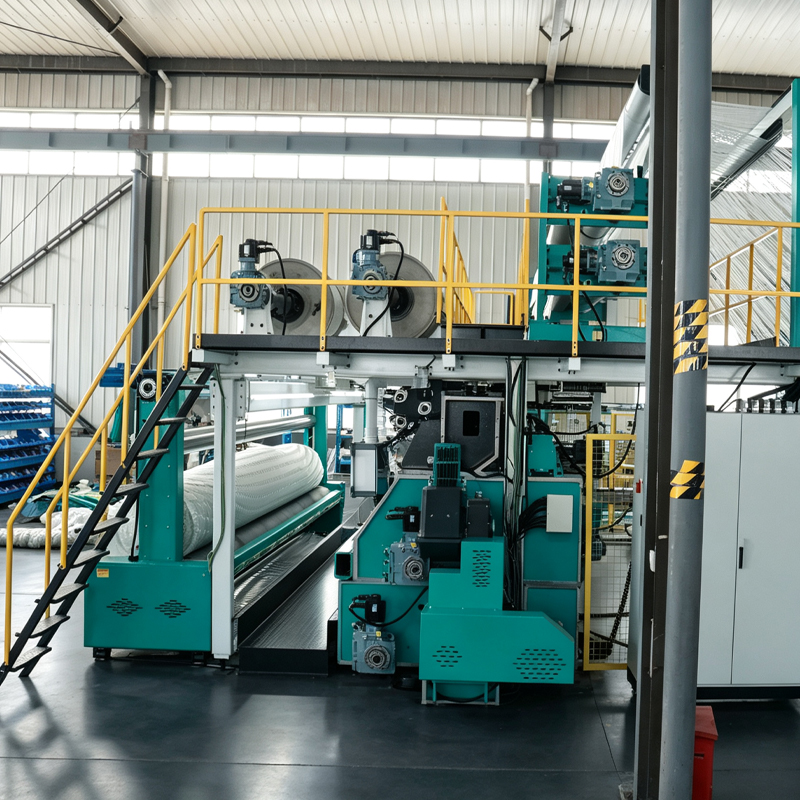
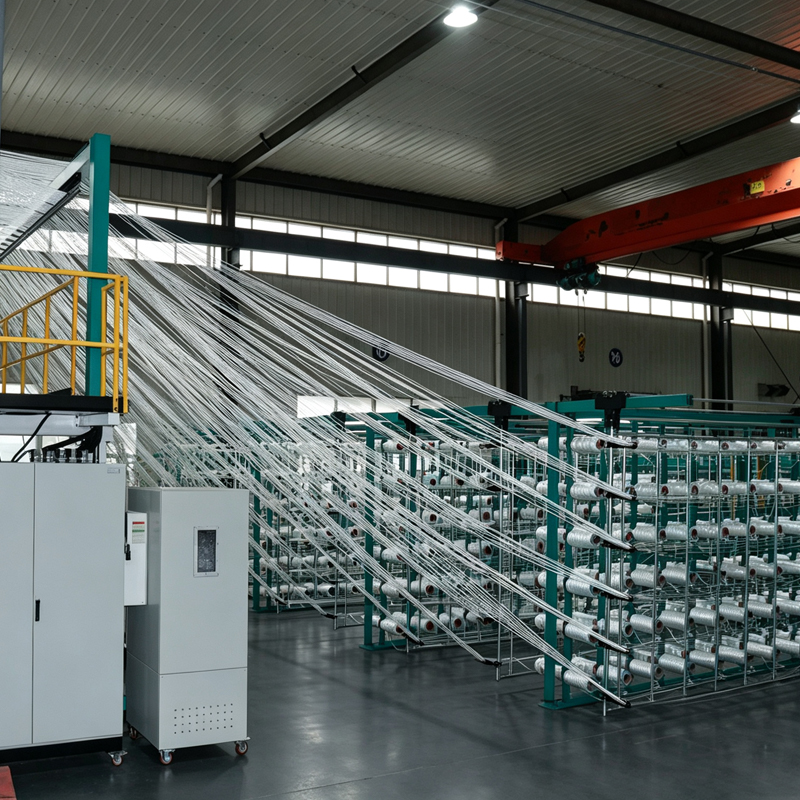
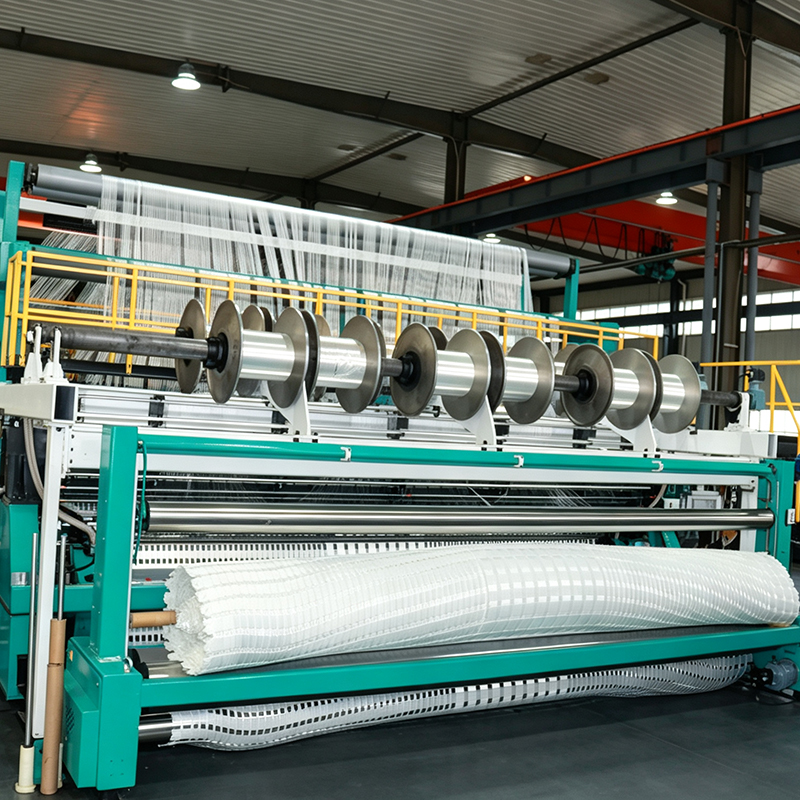
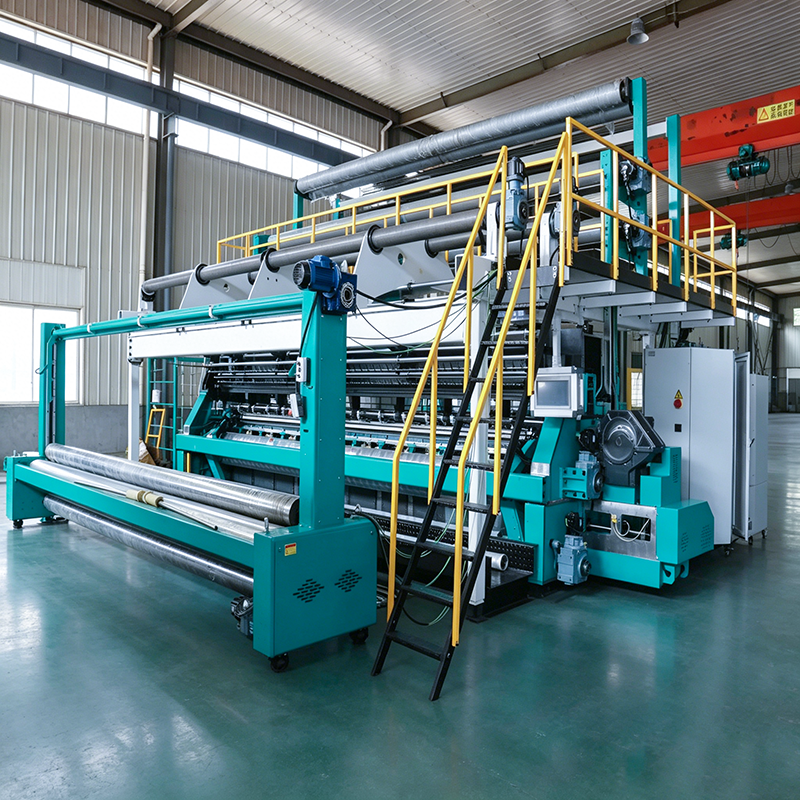
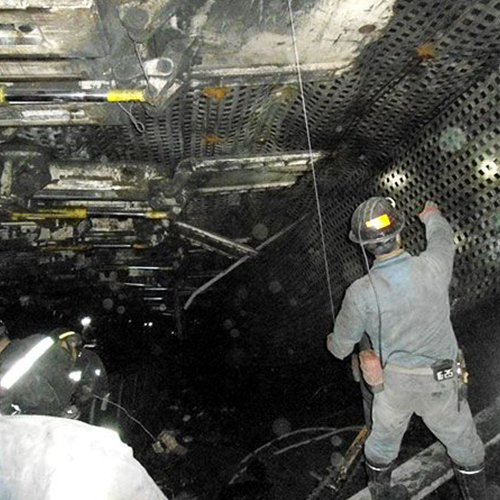
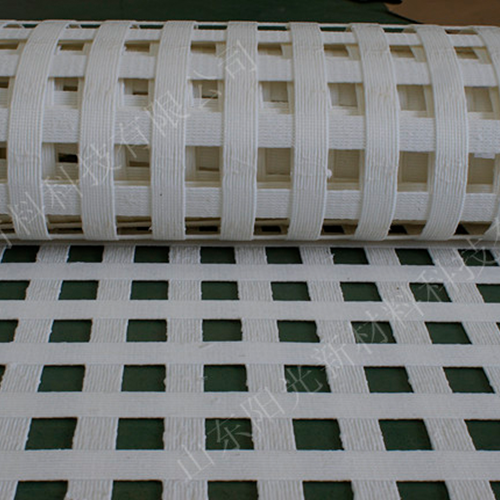
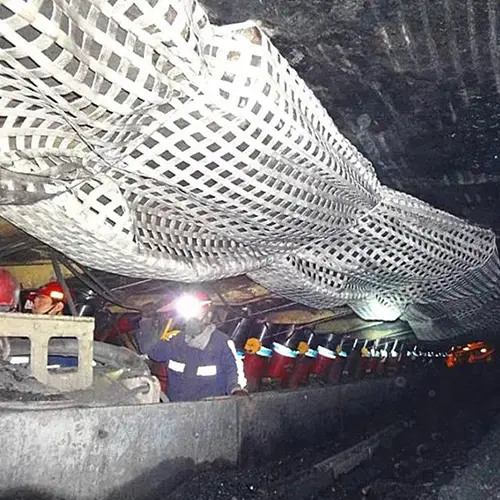
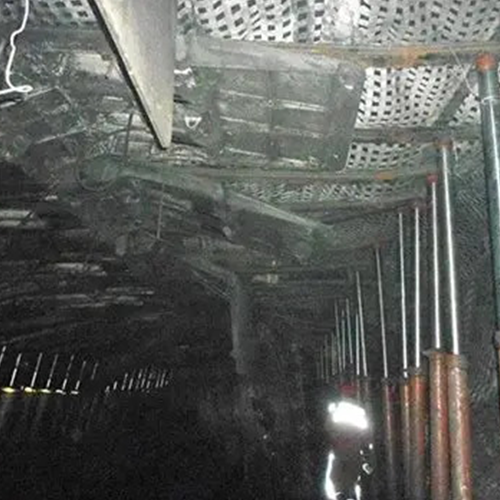
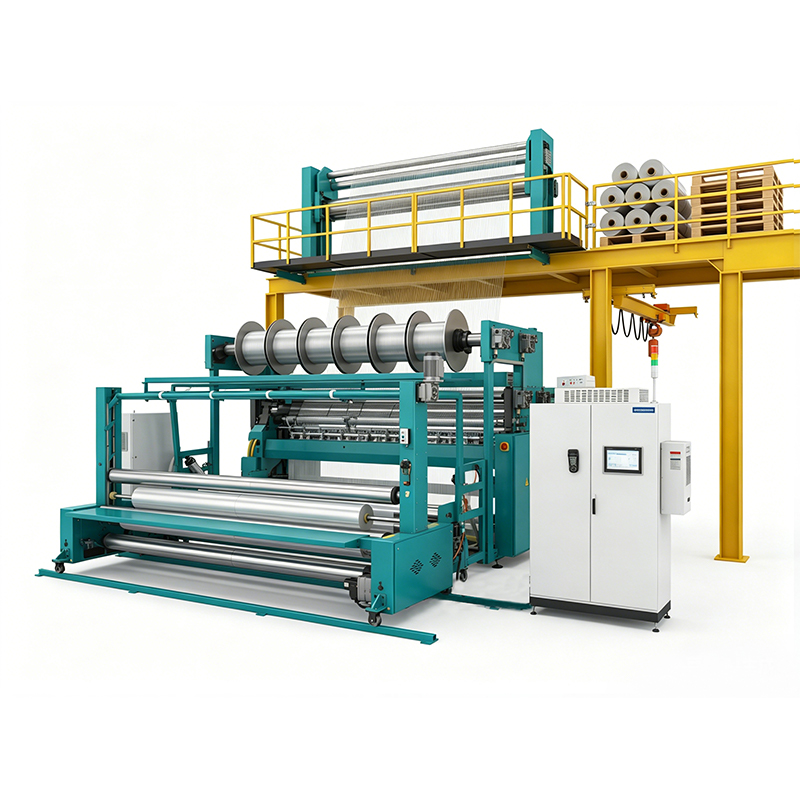
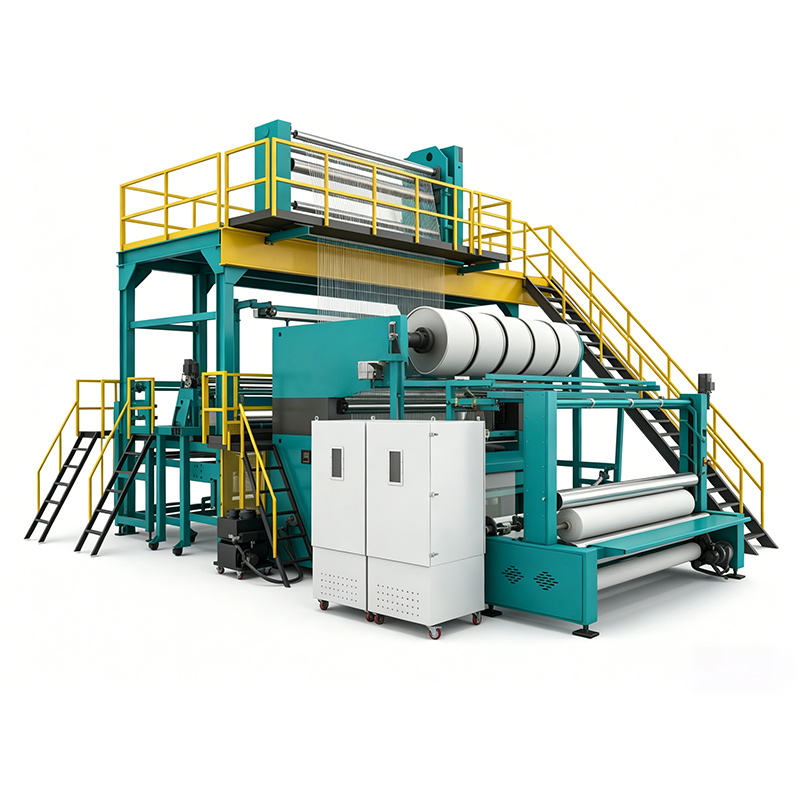
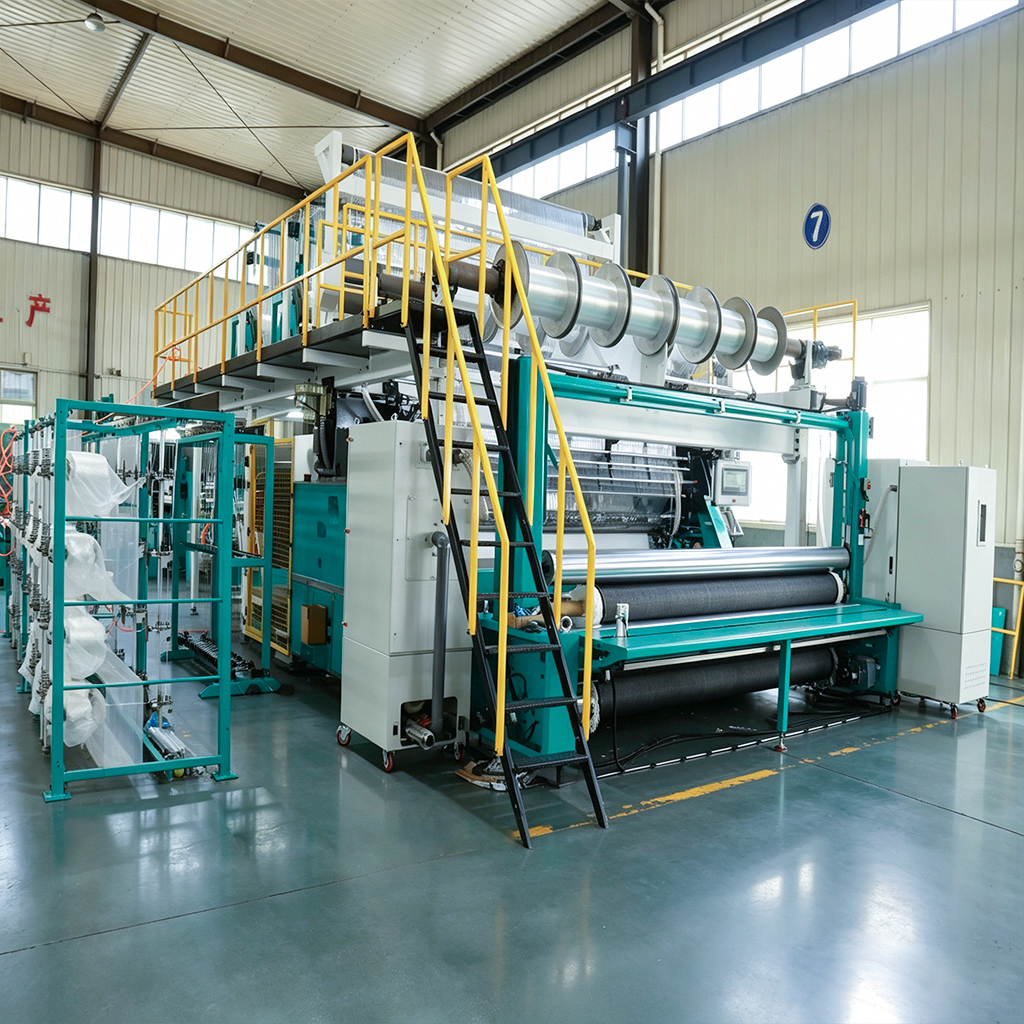
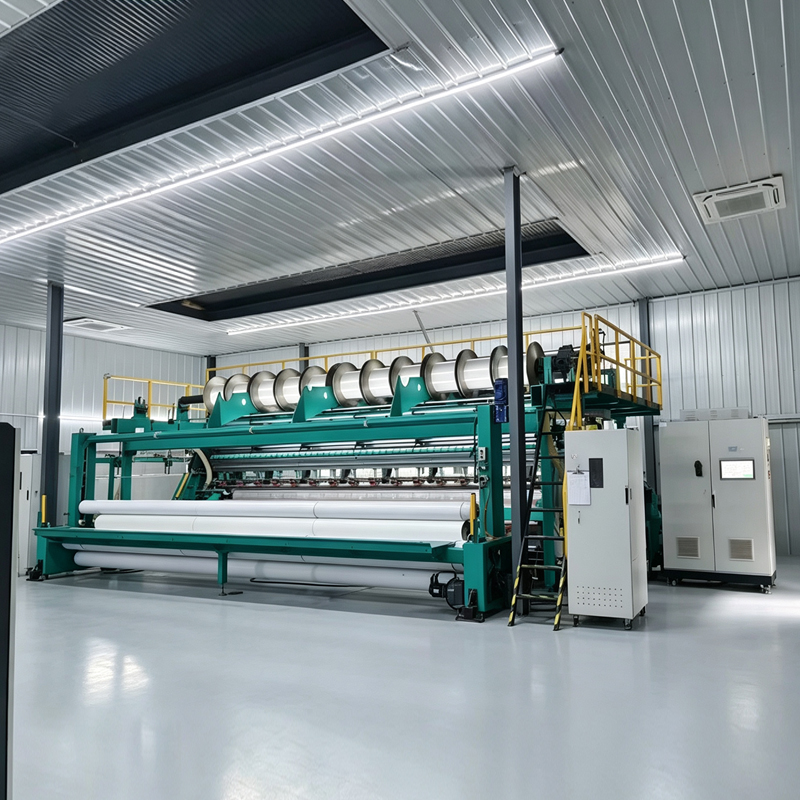
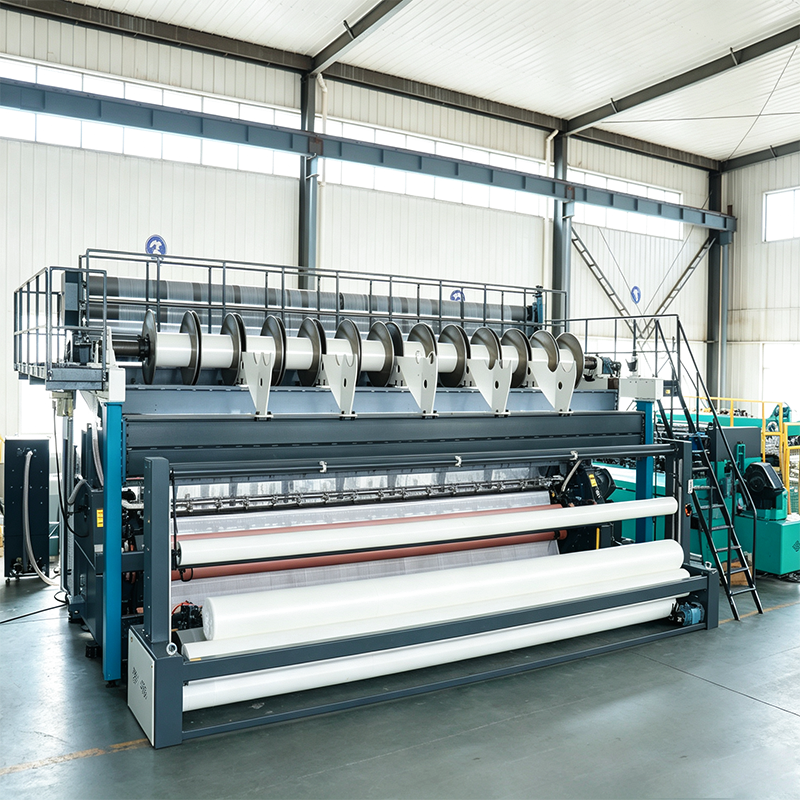
Changzhou Yuanyang Electromechanical Technology Co., Ltd. builds the YRS3-M-H high strength biaxial warp knitting machine for mills that reinforce glass fiber and polyester into high-strength geogrids and mine protection fabrics. We manufacture the machine, the warp knitting process package and the supporting equipment around it, and we configure each unit to the working width, yarn system and fabric construction of the project.
What the YRS3-M-H Produces
As a Yrs3mh High Strength Biaxial Warp Knitting Machine Manufacturer, we match product configuration to the application, operating limits, interfaces and acceptance criteria defined for each project.
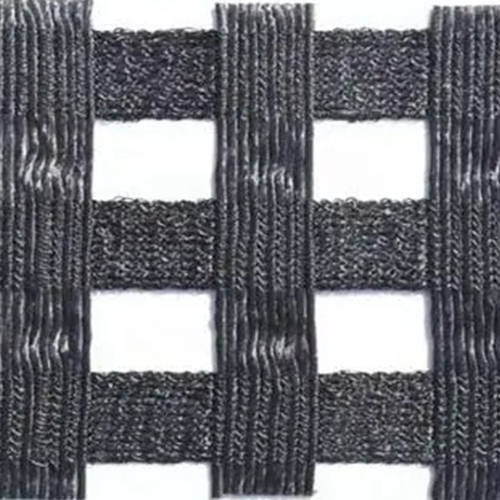
The YRS3-M-H is a Raschel-type biaxial warp knitting machine that lays high-strength, low-elongation warp and weft yarns into a stable mesh and binds them with a fine stitch yarn. The structure keeps the original yarn strength in the finished fabric instead of crimping it, which is why the machine is used for reinforcement textiles rather than apparel fabrics.
- Applicable fibers: glass fiber and polyester, with the yarn path and guide elements set for brittle, low-elongation reinforcement yarns.
- Core product: high-strength geogrid and biaxial reinforcement fabric.
- Application field: mine protection, ground reinforcement and structural reinforcement layers.
- Machine speed: 50-1000 r/min, set according to yarn type, stitch density and fabric weight.
- Working width: 5400 mm (213 in).
- Daily output: approximately 4500 m² as a reference figure; actual output follows fabric construction and process settings.
How Biaxial Insertion Works on This Machine
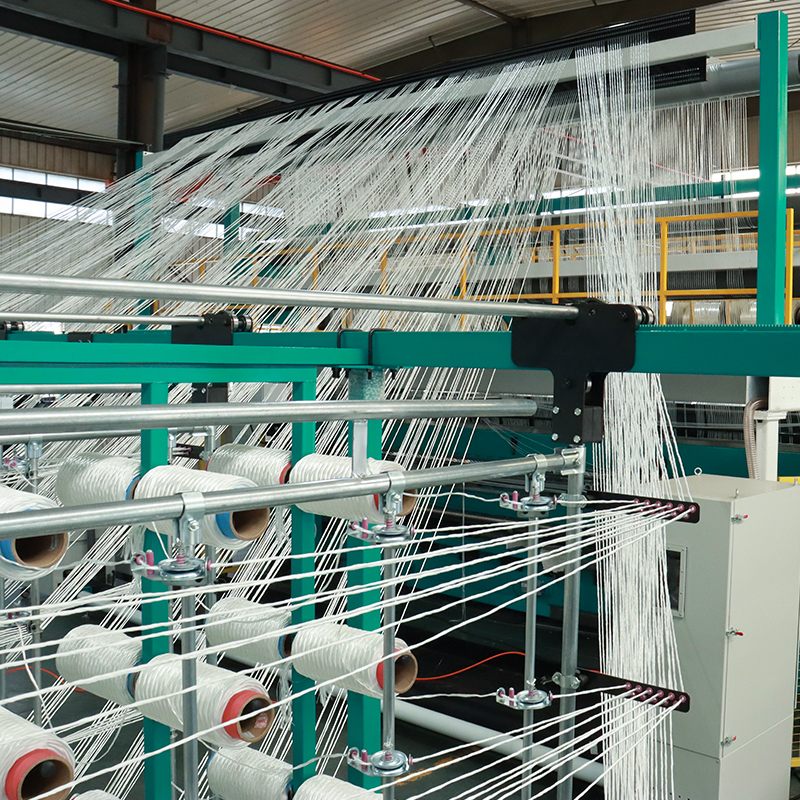
Warp yarns run longitudinally from the beam set, weft yarns are inserted across the full working width, and a separate stitch system ties the two directions together. Because the load-bearing yarns stay nearly straight, the geogrid carries tensile load along both axes, which is the property mine protection and reinforcement fabrics depend on.
We set the yarn tension, weft insertion timing and stitch density as one process package. Changing the grid pitch, the yarn count or the binding pattern is a coordinated adjustment across those three systems, not a single parameter change, and our engineers work through that combination with the customer before the machine is released.
Specification Meaning and Operating Boundaries
| Parameter |
Value / Setting |
What It Controls |
| Machine speed |
50-1000 r/min |
Output versus yarn damage risk; heavy glass constructions run at the lower end |
| Working width |
5400 mm (213 in) |
Usable fabric width and the number of weft positions across the bed |
| Fiber system |
Glass fiber, polyester |
Guide selection, yarn path geometry and tension range |
| Fabric construction |
Biaxial mesh with stitch binding |
Grid pitch, stitch density and areal weight |
| Reference output |
~4500 m²/day |
Planning figure only; recalculated for each fabric specification |
Speed, width and yarn count interact. A wide geogrid with heavy glass yarns cannot be run at the same rate as a light polyester mesh, and we state the realistic working point for the customer's fabric rather than a single headline speed.
Configuration Options
Because reinforcement fabrics vary widely, the YRS3-M-H is quoted as a configured machine rather than a fixed catalogue item. The options we work through with each project include:
- Beam and creel arrangement matched to the number of warp positions and package size.
- Weft insertion density and guide bar configuration for the required grid pitch.
- Stitch yarn system and binding pattern for the target peel and tensile behaviour.
- Fabric take-off, batching and roll handling suited to the downstream converting line.
- Machine structure and layout adjustments where the workshop footprint or material flow requires them.
- Colour and guarding details for site-specific requirements.
Our customization work covers structure redesign, functional module development and adaptation for special materials, so a non-standard configuration is handled as an engineering project rather than a spare-parts order.
Where the Machine Fits in the Yuanyang Range
The YRS3-M-H sits in our fiberglass textile line, alongside machines that cover chopped fiber, nonwoven lamination, mesh-geogrid and multiaxial constructions. Matching the machine to the fabric is the first decision in a reinforcement textile project.
For projects that combine several reinforcement steps, we coordinate the YRS3-M-H with our fiberglass textile machinery range so that width, tension and roll format stay consistent from one process to the next.
Controls, Installation and Utilities
The machine is supplied with a drive and control system that manages main shaft speed, yarn let-off and fabric take-off as coordinated functions. We set the control parameters during commissioning and record the working recipe for the customer's fabric so that production can be repeated after a changeover.
- Electrical supply, compressed air and foundation requirements are confirmed against the site drawing before shipment.
- Leveling, alignment and beam loading are completed during installation, with the yarn path checked before first production.
- Guarding and emergency stop functions are part of the delivered machine; operators are trained on safe threading and cleaning procedures.
- Interface points to upstream creels and downstream batching or coating equipment are agreed as part of the line layout.
Quality Control and Acceptance
Yuanyang controls the process from component procurement through machining, assembly, testing and debugging, and every machine is tested before it leaves the factory. For the YRS3-M-H, acceptance focuses on the points that determine fabric quality in daily production:
- Yarn tension consistency across the full 5400 mm working width.
- Weft insertion accuracy and grid pitch repeatability.
- Stitch formation quality and binding integrity.
- Drive and control response across the speed range.
- Fabric take-off tension and roll formation.
We can run the customer's yarn and fabric specification during pre-delivery testing and provide the trial sample with the machine documentation.
Maintenance, Spare Parts and Training
Glass fiber is abrasive, so guide elements, needles and yarn contact parts are the components that set the maintenance cycle. We supply spare parts for the delivered configuration and document the inspection points, lubrication schedule and wear limits in the machine manual.
Our service team supports installation, commissioning and operator training on site. We also run factory-based training in our own fabrication workshop for knitters, maintainers and workshop management, covering machine operation, process parameters and quality control, with typical sessions of one to two months. System documentation support is available for customers building out their quality records.
Information We Use to Configure Your Solution
A YRS3-M-H proposal is prepared from the fabric and the production target, not from a model number alone. The following inputs let us define the machine configuration and the process package:
- Fabric drawing or sample, with grid pitch, areal weight and binding pattern.
- Yarn type, linear density and package format for warp, weft and stitch yarns.
- Required tensile and elongation values in the machine and cross directions.
- Target daily output and the shift pattern the line will run.
- Finished roll width, roll diameter and downstream converting or coating process.
- Workshop layout, available floor space and the position of upstream and downstream equipment.
- Site electrical supply, compressed air and any local safety requirements.
Where a standard configuration does not meet the fabric requirement, we develop the machine structure, module set or material adaptation as a customized engineering project and confirm the design through drawings before production.
Frequently Asked Questions
What fibers can the YRS3-M-H process?
The machine is built for glass fiber and polyester reinforcement yarns. The yarn path, guide elements and tension range are selected for low-elongation, brittle fibers, which is the main difference from a standard biaxial machine running synthetic textile yarns.
What is the maximum working width and speed?
The working width is 5400 mm (213 in) and the machine speed range is 50-1000 r/min. The production setting is chosen within that range according to yarn type, grid pitch and fabric weight, so the effective output is confirmed for each fabric specification.
What daily output can we expect?
The reference figure is approximately 4500 m² per day. Actual output depends on fabric construction, yarn count, stitch density and the working speed selected for stable production, and we calculate it for the customer's specific fabric during configuration.
Can the machine be adapted to our fabric design?
Yes. Grid pitch, weft density, stitch pattern, beam arrangement and take-off format are all configured to the fabric. Where the design falls outside the standard structure, we develop the required module or structural change as a customized project and confirm it through drawings and samples.
What support is provided after delivery?
Our engineers carry out on-site installation, commissioning and training until the line runs to the agreed specification. We provide spare parts for the delivered configuration, maintenance documentation, and factory-based training for knitters, maintainers and workshop management in our own production facility.


 English
 中文简体
中文简体 русский
 Français
 Español
 Deutsch