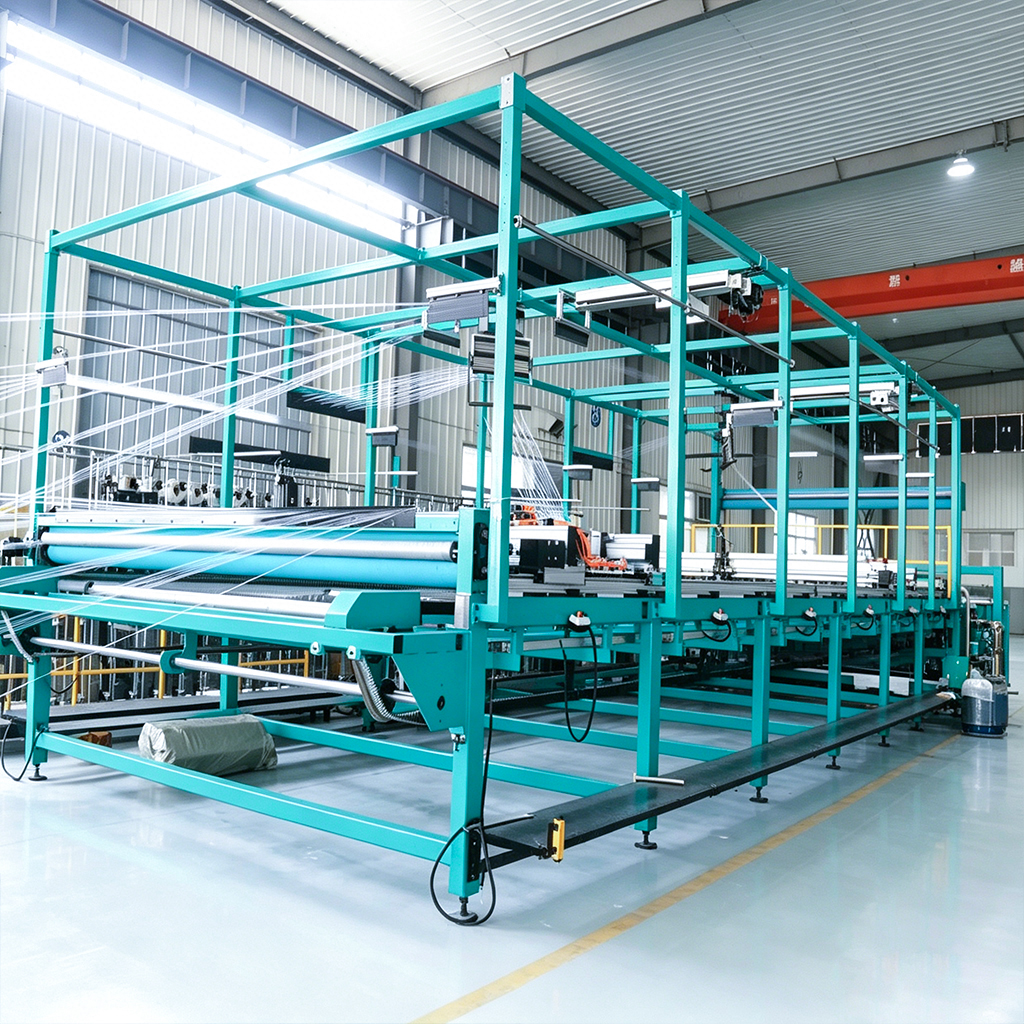
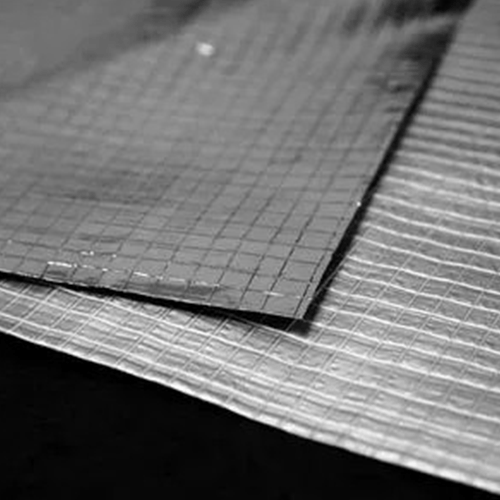
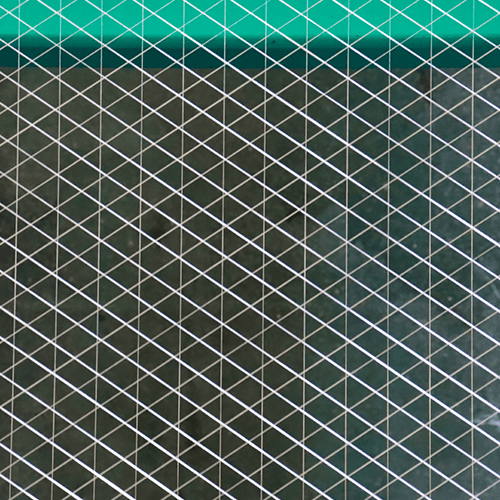
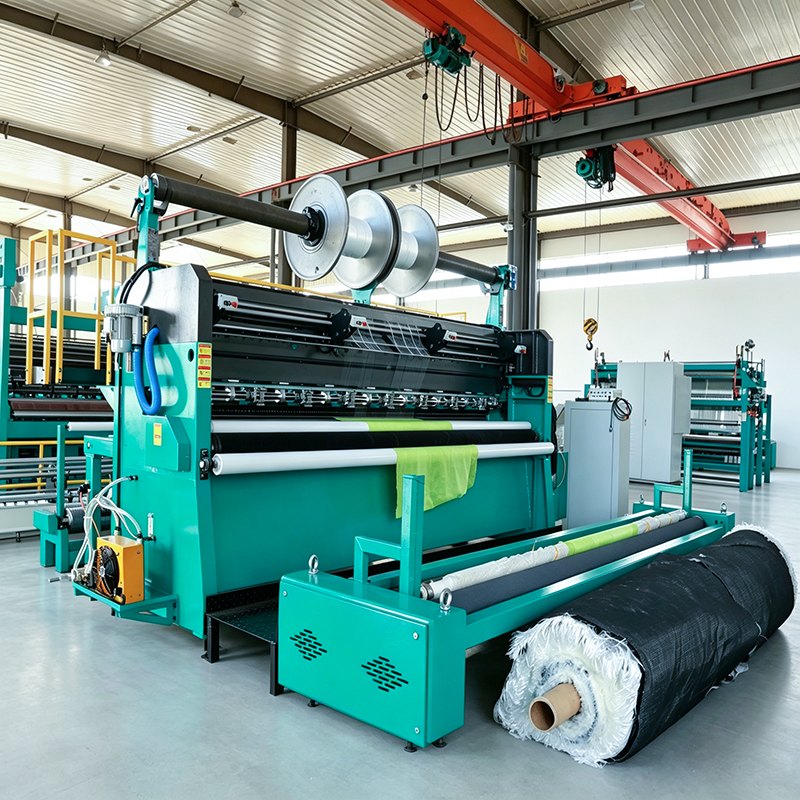
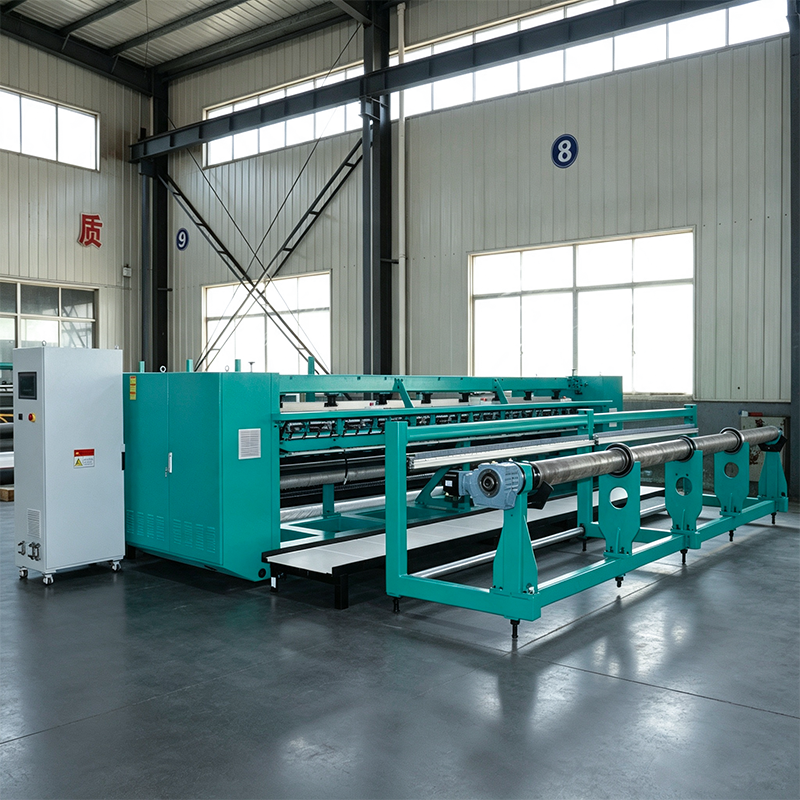
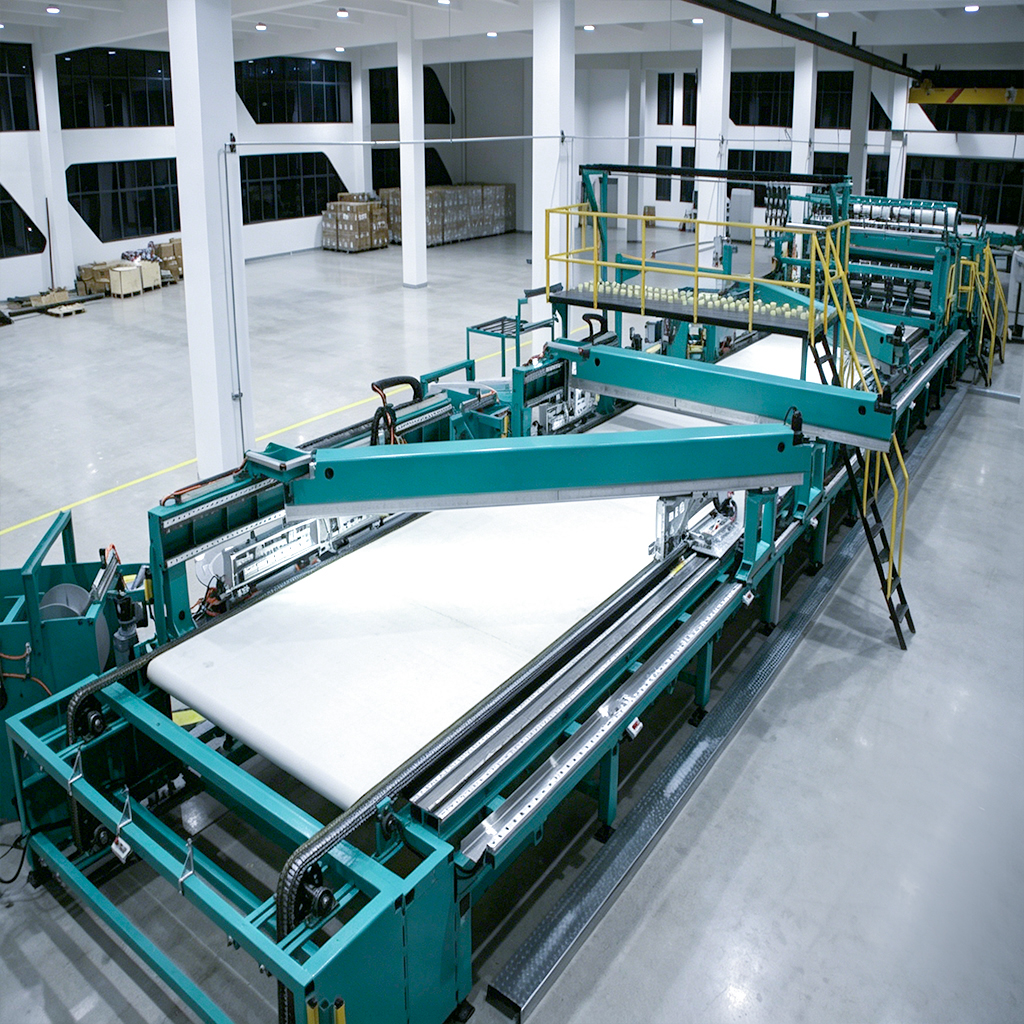
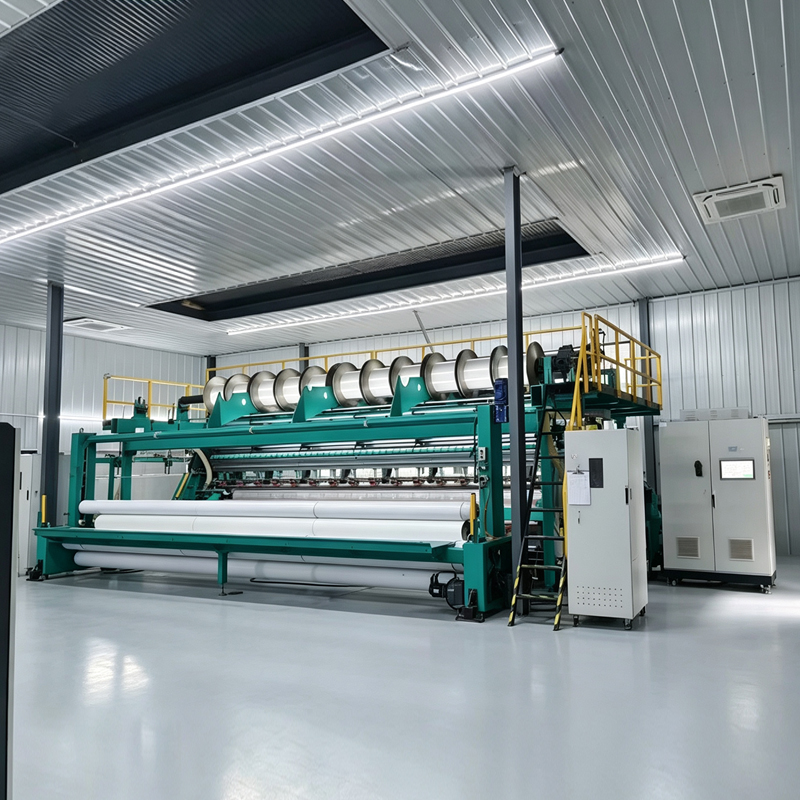
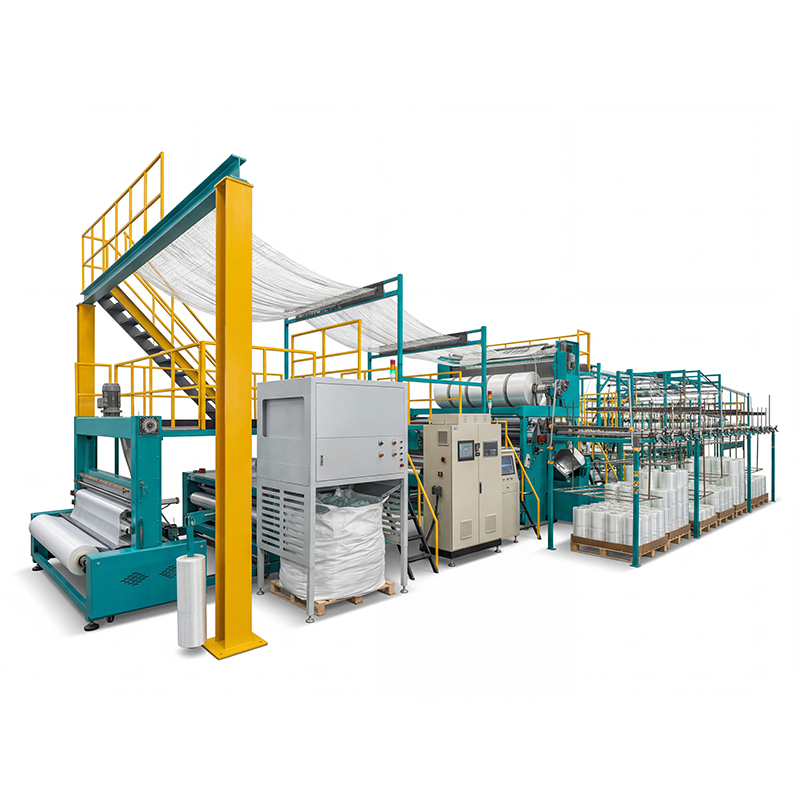
Changzhou Yuanyang Electromechanical Technology Co., Ltd. builds the LM Weft Insertion Type Laid Scrim Machine for factories producing lightweight, directionally oriented glass fiber and polyester mesh. The machine combines weft insertion, mesh forming, chemical bonding and setting in one continuous line, so a scrim producer can move from yarn to finished roll without a separate laminating or coating stage.
Our range covers the LM weft insertion type and the LS Rotary Type Laid Scrim Machine, giving us two routes into laid scrim production. The LM platform is aimed at insulation facings, packaging reinforcement, release papers, marble and mosaic backing, fireproof board, reinforced aluminum foil and kraft paper materials.
What the LM Platform Produces
As a Lm Weft Insertion Type Laid Scrim Machine manufacturer, we match product configuration to the application, operating limits, interfaces and acceptance criteria defined for each project.
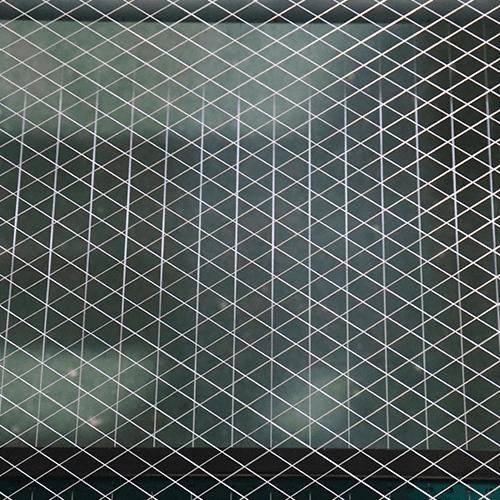
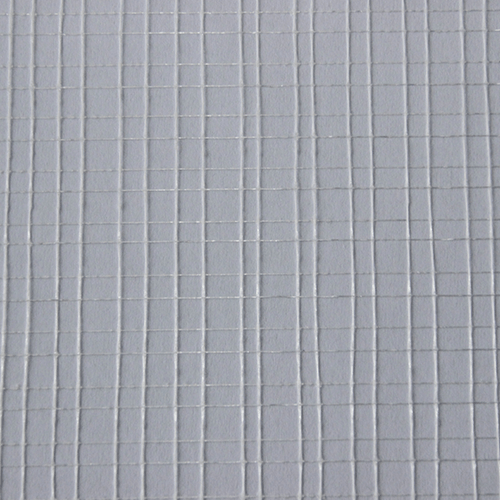
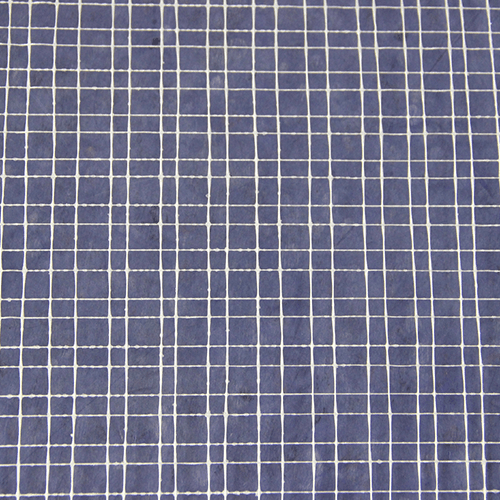
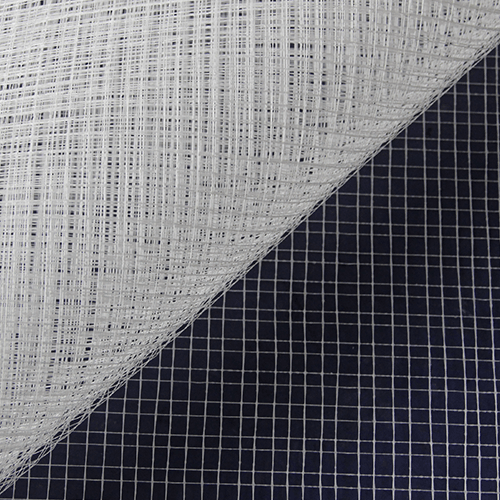
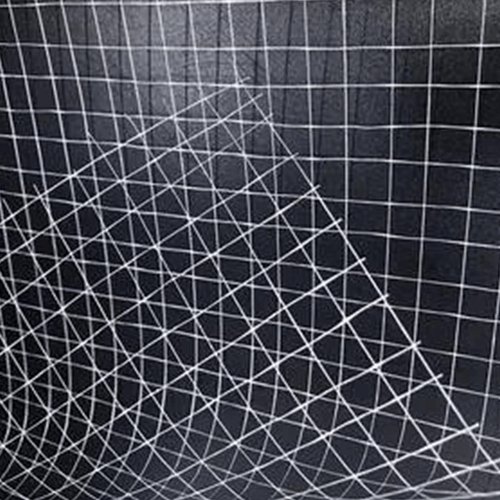
The LM is a weft insertion laid scrim machine. Warp yarns run longitudinally while weft yarns are inserted across the width, then the crossing points are bonded and set to lock the grid geometry. The result is a thin, open mesh with high strength-to-weight ratio and controlled aperture.
Applicable fibers are glass fiber and polyester. The one-step forming process keeps the yarn path short and the bonding stage integrated, which matters when the downstream product is a reinforcement layer rather than a standalone fabric.
- Fabric character: high strength while remaining lightweight and thin.
- Mesh orientation: directional grid built from warp and weft yarns.
- Bonding route: mesh forming combined with chemical bonding and setting.
- Typical basis: low-weight, dimensionally stable scrim for lamination and reinforcement.
Core Specifications
The published working envelope of the LM is the starting point for a configuration discussion. Actual output depends on fabric construction, yarn count, mesh density and process settings, so we treat the figures below as the machine baseline rather than a guaranteed production rate for every article.
| Parameter |
LM Weft Insertion Type |
| Applicable fibers |
Glass fiber, polyester |
| Machine speed |
2–12 m/min |
| Working width |
3600 mm (142 in) |
| Daily output reference |
25,000 m² (varies with fabric construction and process) |
| Core products |
Light-weight glass fiber and polyester mesh, one-step forming |
| Bonding method |
Chemical bonding and setting |
Application Fit
Laid scrim is a reinforcement and carrier material, so the application decides the mesh specification. The LM is used where the scrim must add directional strength without adding significant weight or thickness.
Insulation and facings
Glass fiber scrim reinforces insulation facings and helps hold the facing layer together during handling and installation.
Release paper and board
Used as reinforcement in release papers, marble and mosaic backing, and fireproof board where dimensional stability is required.
Foil and paper reinforcement
Reinforced aluminum foil and kraft paper materials use the mesh as a strength layer that stays thin and flexible.
Packaging materials
Lightweight scrim adds tear resistance to packaging laminates without changing the visual or handling character of the pack.
Configuration Options
Because laid scrim articles vary widely, the LM is configured around the target mesh rather than sold as a single fixed build. We confirm the following points before releasing a proposal.
- Working width: 3600 mm (142 in) as the standard platform, with the usable width matched to the downstream laminating or coating line.
- Weft insertion pattern: weft density and spacing set by the required aperture and directional strength.
- Yarn compatibility: glass fiber and polyester as the primary fibers, with tension and guide settings adapted to the yarn package.
- Bonding and setting: chemical bonding stage tuned to the binder system and the required mesh stability.
- Drive and control: speed range 2–12 m/min with the control interface matched to the line.
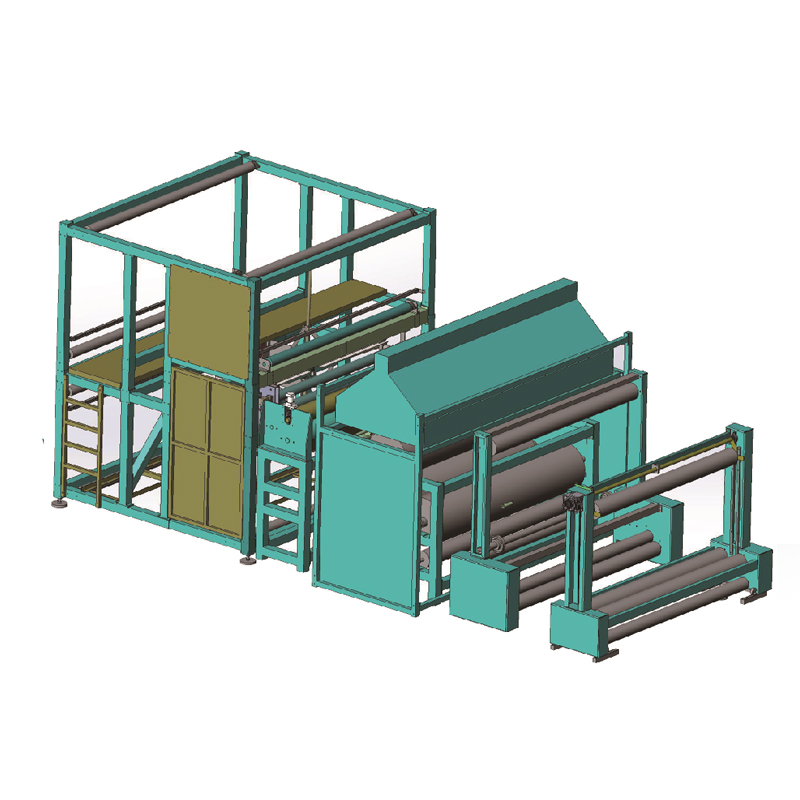
- Layout: machine structure and layout can be adjusted where the workshop footprint or material flow requires it.
Line Integration and Installation
The LM is normally the forming section of a scrim line. Upstream it takes yarn from creels or beams; downstream it feeds a bonding, drying or winding stage. We define the interface points during engineering so the machine does not become an island in the workshop.
- Yarn supply: creel or beam arrangement, package size and yarn path.
- Utilities: electrical supply, compressed air and any heating or drying requirement for the bonding stage.
- Take-off: winder type, roll diameter and core specification.
- Operator access: threading positions, inspection points and guarding.
- Commissioning: our engineers attend the customer factory for installation, commissioning and training until the line runs to the agreed fabric.
Quality Control and Acceptance
Yuanyang follows quality management system standards with refined control from component procurement through production, assembly, testing and debugging. Every machine is tested before leaving the factory.
Acceptance is built around the agreed scrim article, not a generic checklist. We run the machine on the customer's yarn and target construction, then record the settings that produce the accepted mesh. Those settings become the reference for production.
- Mesh geometry and aperture check against the approved sample.
- Bonding quality and mesh stability after setting.
- Speed and tension settings recorded for the accepted article.
- Safety guarding and emergency stop function verified.
Maintenance, Spares and Training
Laid scrim machines run continuously, so wear parts and access matter. We support customers with spare parts, technical guidance and operator training through our after-sales service system.
Training can be delivered at our fabrication factory or on site. Knitter training and maintainer training are hands-on, with participants working on the machine rather than only reading documentation. Workshop management training covers quality control, production planning and process parameters.
For factories that also produce chopped fiber or biaxial reinforcement, our wider range includes the FC Chopped Stitch Bonding Machine and the YRS3-M-H High Strength Biaxial Warp Knitting Machine, which share the same engineering and service approach.
Information We Use to Configure Your Solution
A laid scrim machine is configured around the article, not around a catalogue number. The following inputs let us prepare a realistic proposal and avoid over- or under-specifying the line.
| Input |
Why It Matters |
| Fiber type and yarn count |
Sets tension, guide and bonding parameters for glass fiber or polyester. |
| Mesh construction and aperture |
Determines weft density, warp spacing and the required working width. |
| Target basis weight |
Drives yarn consumption and the bonding stage. |
| Required output |
Confirms whether the 2–12 m/min range matches the production plan. |
| Downstream process |
Laminating, coating or winding line defines the take-off and interface. |
| Workshop layout and utilities |
Affects machine structure, access and installation planning. |
| Sample or drawing |
Lets us confirm the mesh and quote against a real target. |
Frequently Asked Questions
What fibers can the LM weft insertion laid scrim machine process?
The LM is built for glass fiber and polyester. These two fibers cover the insulation, reinforcement and packaging scrim articles the machine is designed around. Other fibers can be discussed if the yarn characteristics suit the insertion and bonding process.
What is the working width and speed of the LM?
The standard working width is 3600 mm (142 in) and the machine speed range is 2–12 m/min. The reference daily output is 25,000 m², but actual output depends on fabric construction and process settings, so we confirm the realistic rate against your article.
How is the mesh bonded and set?
Mesh forming is combined with chemical bonding and setting. The bonding stage locks the warp and weft crossing points so the scrim keeps its aperture and directional strength through downstream lamination or coating.
Can the LM be customized for a non-standard scrim?
Yes. Customization can involve machine structure and layout redesign, functional module development or integration, adaptation for special materials, and process-oriented optimization for stability and efficiency. We work from your drawings or samples and confirm the design before production.
What support is provided after delivery?
Our engineers attend the customer factory for on-site installation, commissioning and training until the equipment runs correctly. We also provide operator and maintainer training, system documentation support and long-term technical assistance during production.
How do we start a configuration and quotation?
Send the fiber type, yarn count, mesh construction, target basis weight, required output, downstream process and a sample or drawing if available. With those inputs we can confirm the machine configuration and prepare a quotation against your actual scrim article.


 English
 中文简体
中文简体 русский
 Français
 Español
 Deutsch