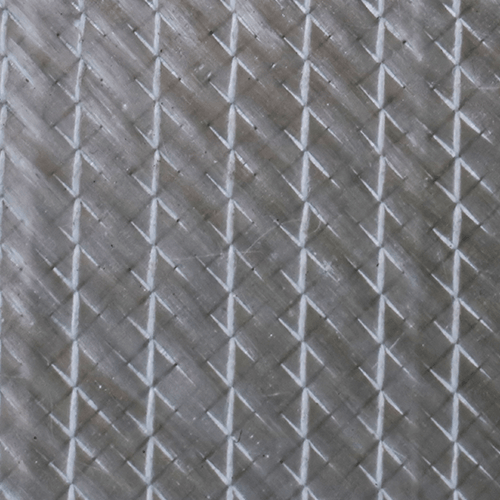
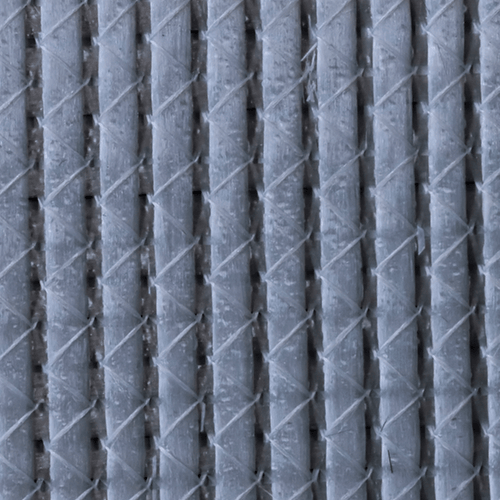
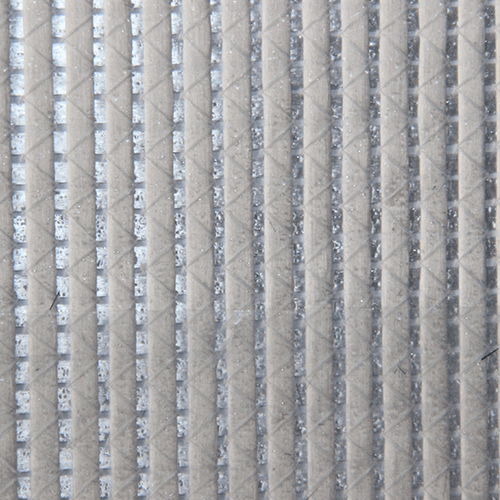
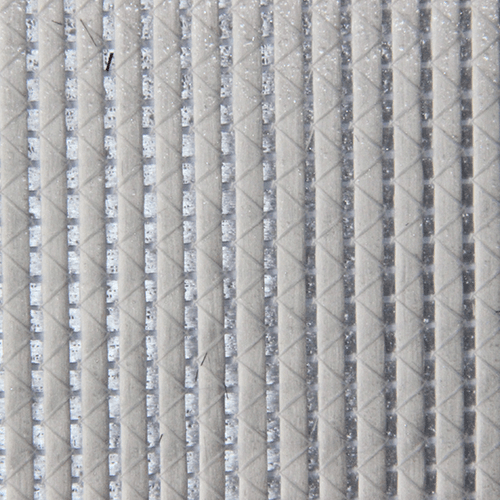
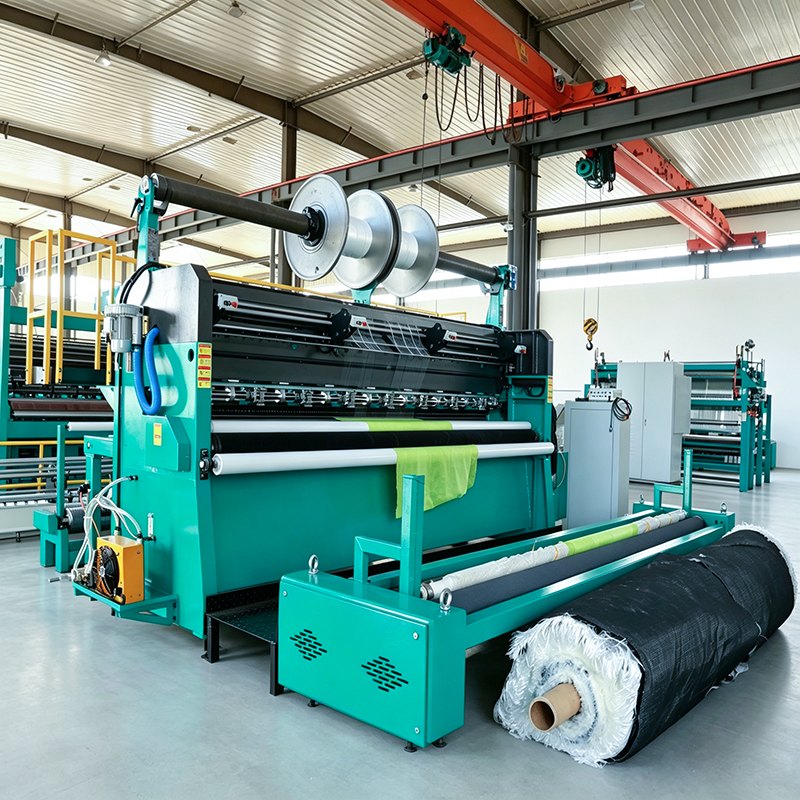
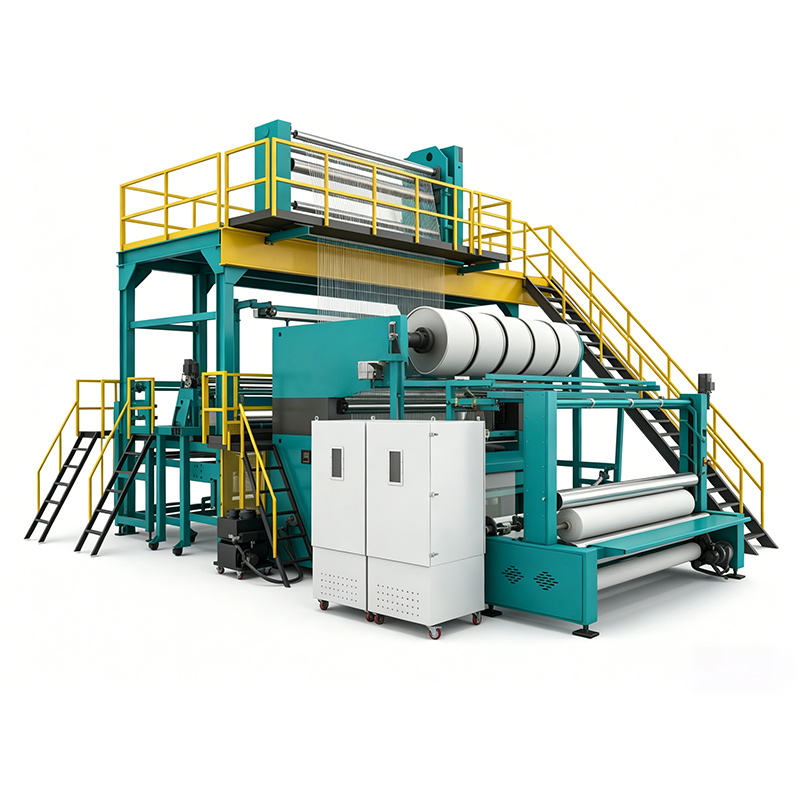
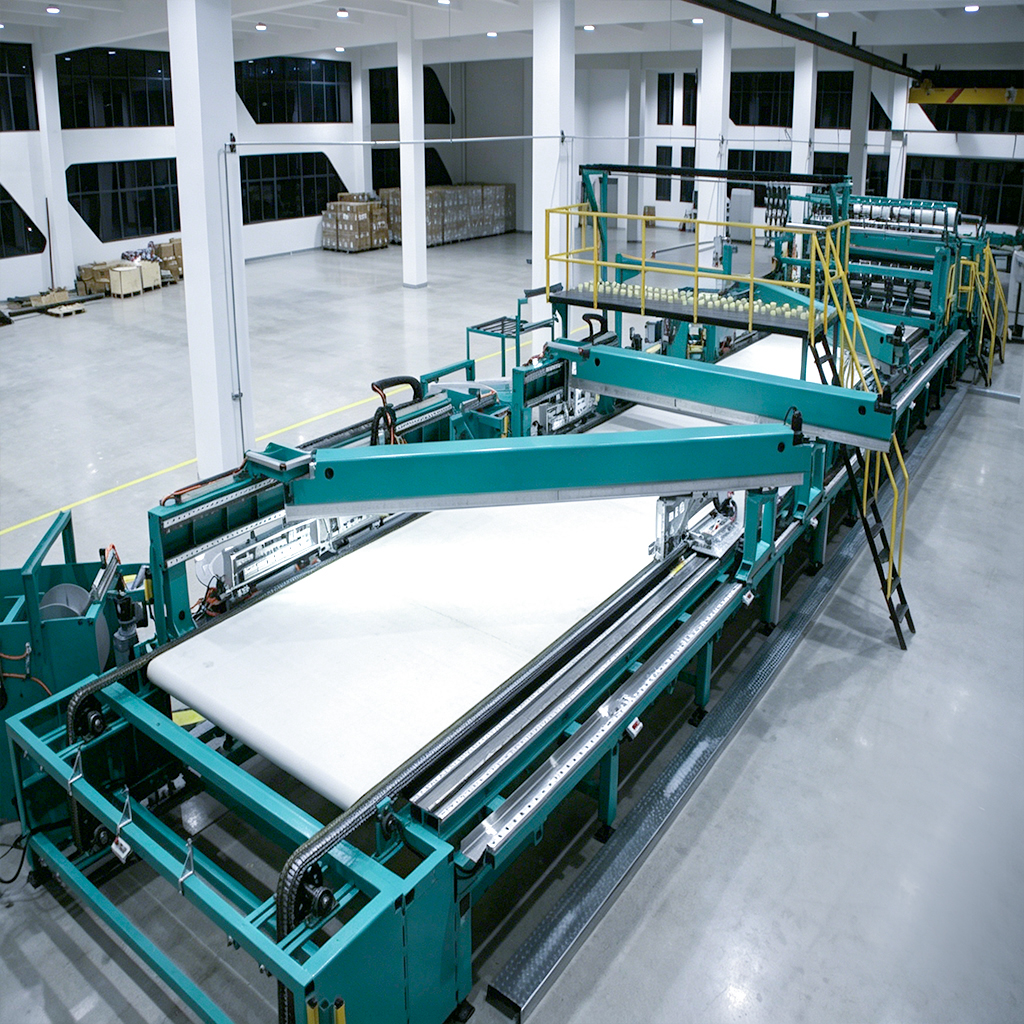
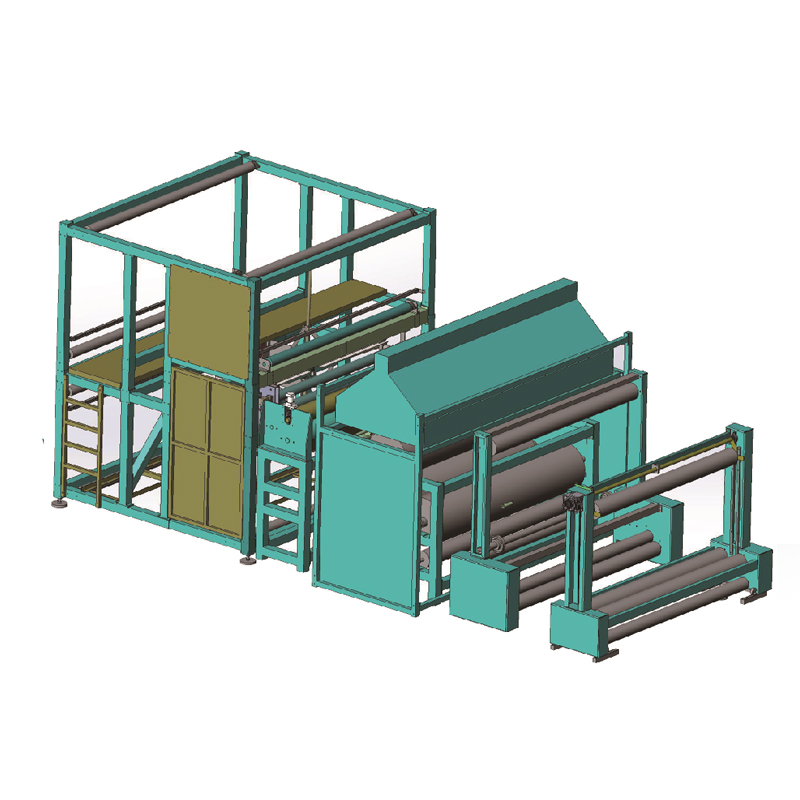
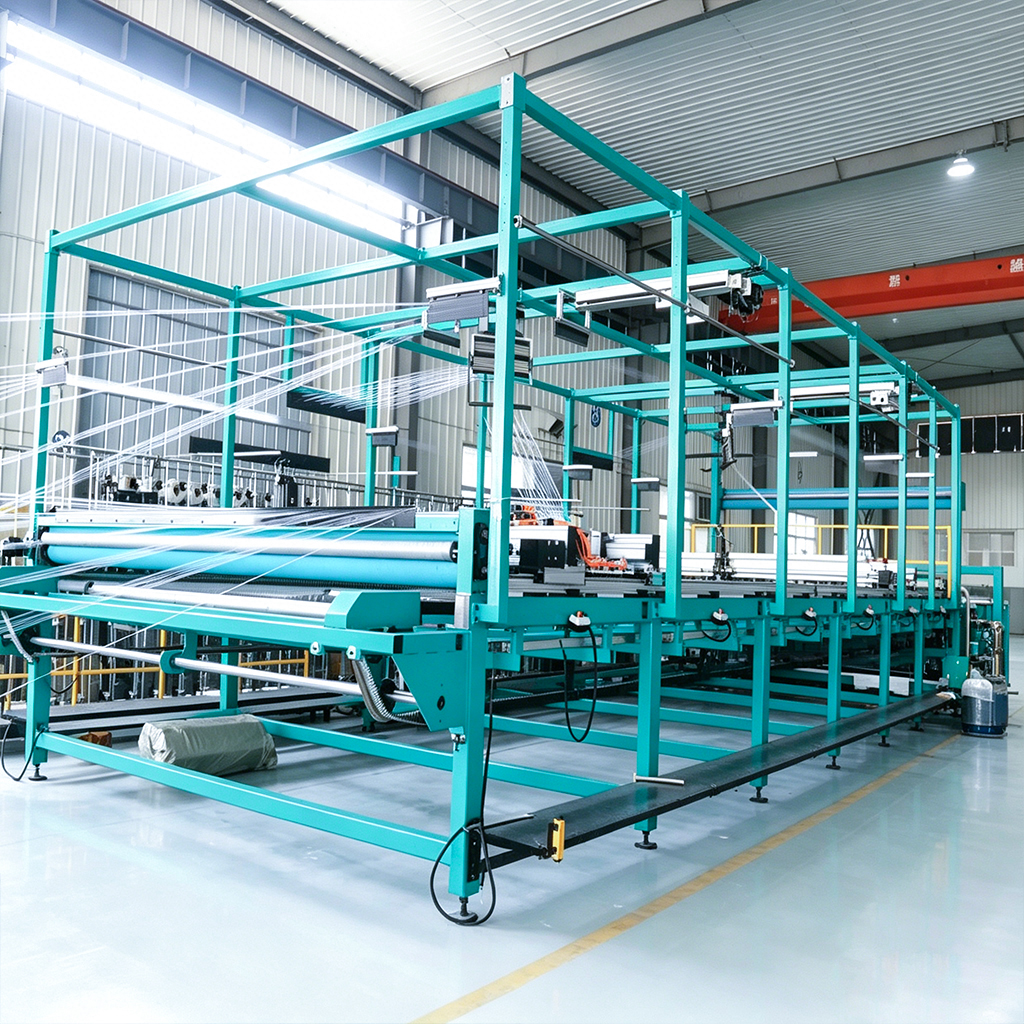
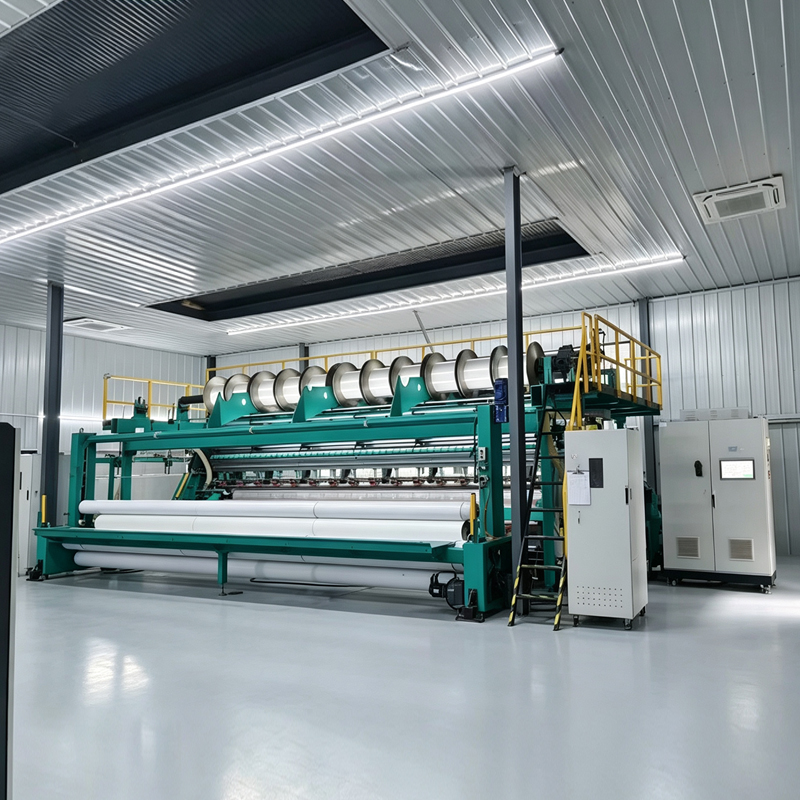
Changzhou Yuanyang Electromechanical Technology Co., Ltd. builds the YAS Auto Powder-Spreading machine for glass fiber and carbon fiber greige fabric that must be pre-shaped before downstream forming. The machine meters a controlled resin powder layer onto the moving web, giving 400–800 g/m² reinforcement fabric the stiffness needed for cutting, lay-up and RTM or compression-molding operations.
What the YAS Machine Does in the Process Line
As a Yas Auto Powderspreading Machine Manufacturer, we match product configuration to the application, operating limits, interfaces and acceptance criteria defined for each project.
Powder spreading sits between fabric production and composite forming. Greige glass or carbon fabric leaves warp knitting or weaving with low body, so it drapes and distorts during handling. The YAS unit disperses approximately 2% resin powder evenly across the surface and bonds it in place, producing a powder-dispersed fabric that holds its shape through the rest of the line.
The result is a pre-shaped reinforcement that feeds cleanly into high-pressure RTM tooling and battery-shell molding presses. Uniform powder distribution matters more than raw speed here: an uneven layer creates resin-rich and resin-starved zones after impregnation, which shows up as surface defects or weak interlaminar bonds in the finished part.
Core Specifications
| Parameter |
Specification |
Notes |
| Applicable fibers |
Glass fiber, carbon fiber |
Greige reinforcement fabric |
| Machine speed |
4–6 m/min |
Set against powder pickup and fabric weight |
| Working width |
3000 mm (118") / 3500 mm (138") |
Selected to match fabric roll width |
| Fabric weight range |
400–800 g/m² |
Typical greige input |
| Powder add-on |
Approx. 2% resin powder |
Evenly applied across the web |
| Daily output |
3250 m (reference) |
Varies with fabric construction and process |
Daily output figures are reference values. Actual throughput depends on fabric construction, powder type, line tension and how the unit is synchronized with the upstream knitting or weaving machine and the downstream winder.
Application Fit
The YAS machine is aimed at composite reinforcement production where the fabric must survive handling before it reaches the mold. Two application groups dominate:
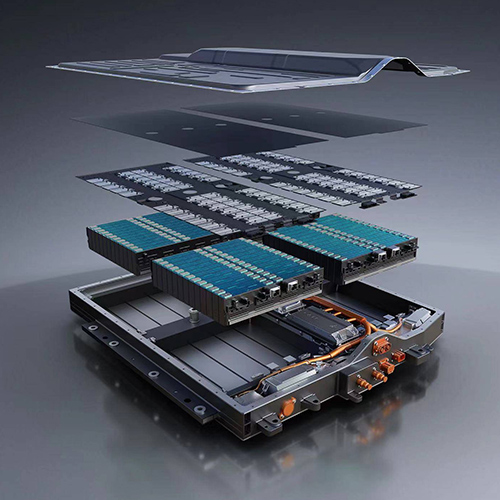
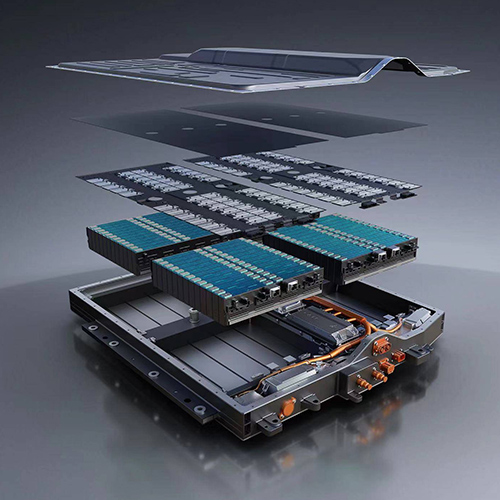
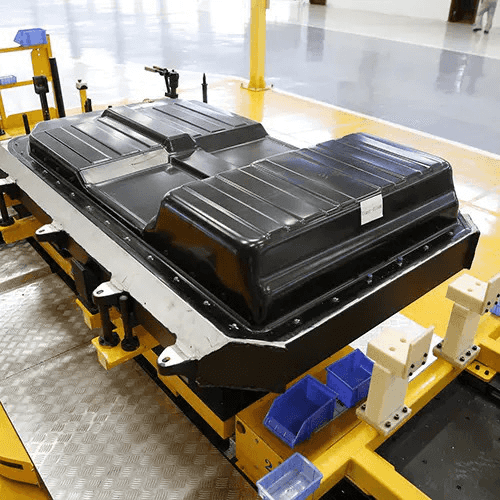
- New energy vehicle battery shells — powder-dispersed glass fabric for compression-molded or RTM battery enclosures, where dimensional stability and consistent fiber volume matter.
- High-pressure RTM molded parts — pre-shaped reinforcement that resists fiber wash during resin injection.
Both cases share the same requirement: the powder layer must be uniform enough that downstream impregnation behaves predictably across the full web width.
Configuration Choices
We configure each YAS unit around the fabric and the line it will join. The main variables are working width, powder metering system, web tension control and the interface to adjacent equipment.
| Configuration Item |
Options |
Selection Basis |
| Working width |
3000 mm / 3500 mm |
Fabric roll width and trim allowance |
| Powder metering |
Adjustable dosing across width |
Target add-on percentage and powder grade |
| Web handling |
Tension and guiding arrangement |
Fabric weight, width and line layout |
| Line interface |
Upstream/downstream synchronization |
Existing knitting, weaving or winding equipment |
Where the YAS Fits in Our Fiberglass Range
Powder spreading is one step in a broader reinforcement-fabric process. We supply the upstream and downstream equipment that feeds and follows it, so a complete line can be specified from one source.
- Machine for Fiberglass Textile — the parent range covering biaxial, multiaxial and chopped-fiber warp knitting equipment plus powder spreading and web laying.
- FC Chopped Stitch Bonding Machine — chopped-fiber bonding for reinforcement mats that may feed the same downstream molding line.
- LS Rotary Type Laid Scrim Machine — laid scrim production for the same composite reinforcement market.
Installation, Utilities and Commissioning
The YAS machine is installed as part of the fabric line, so floor layout, web path and tension zones are agreed before shipment. Our engineers handle on-site installation, commissioning and operator training until the equipment runs to the agreed working point.
- Web path and machine position confirmed against the workshop layout.
- Electrical supply, compressed air and powder handling provisions matched to site conditions.
- Speed, tension and dosing parameters set on the actual fabric, not on a test swatch alone.
- Operator and maintainer training delivered during commissioning.
Quality Control and Acceptance
Every machine is assembled and tested in our Danyang production base before dispatch. From component procurement through machining, assembly and final debugging, the process is controlled stage by stage, and each unit completes a pre-delivery test run.
Acceptance is normally built around the powder add-on percentage, distribution uniformity across the working width, and stable running at the specified line speed. We agree the acceptance criteria with the customer before the machine is built so that the test run reflects the real production target.
Maintenance and Long-Term Support
Powder handling equipment needs routine attention to metering elements, web guiding and dust control. We supply spare parts and provide remote and on-site technical support, with a rapid response mechanism for problems that arise during production.
Customers can send operators and maintainers to our workshop for hands-on training, typically one to two months, covering machine operation, maintenance practice and workshop management including quality control and process parameters.
Information We Use to Configure Your Solution
A precise proposal depends on the fabric and the line, not on a model number alone. We work from the following inputs:
- Fiber type and greige fabric weight (g/m²), plus construction details.
- Fabric roll width and required working width.
- Target resin powder type and add-on percentage.
- Required line speed and daily output target.
- Upstream and downstream equipment in the line.
- Workshop layout, available utilities and installation constraints.
- Downstream forming process (RTM, compression molding) and its quality requirements.
For non-standard requirements, our engineering team can redesign machine structure and layout, develop or integrate functional modules, and adapt the equipment for special materials or working conditions.
Frequently Asked Questions
What fabric weights can the YAS Auto Powder-Spreading machine handle?
The machine is specified for greige glass and carbon fiber fabrics in the 400–800 g/m² range, with approximately 2% resin powder applied evenly across the surface. Fabrics outside this range can be reviewed as a customized configuration.
What working widths are available?
We offer 3000 mm (118") and 3500 mm (138") working widths. The correct width follows the fabric roll width and the trim allowance required by the downstream process.
What line speed and output can be expected?
Machine speed is 4–6 m/min, with a reference daily output of 3250 m. Actual output varies with fabric construction, powder type and process settings, so we confirm the working point against your specific fabric.
Why is powder spreading needed before RTM or compression molding?
The powder layer gives greige fabric a certain stiffness, making it easier to handle and form. This pre-shaping reduces fiber movement during resin injection and improves consistency in the molded part.
Can the machine be integrated into an existing production line?
Yes. We configure the web handling and synchronization around the upstream knitting or weaving machine and the downstream winder or molding feed. Line layout and interface details are agreed during the proposal stage.
What support is provided after installation?
Our engineers carry out on-site installation, commissioning and training. We provide spare parts, remote and on-site technical support, and workshop-based operator and maintainer training at our Danyang facility.


 English
 中文简体
中文简体 русский
 Français
 Español
 Deutsch