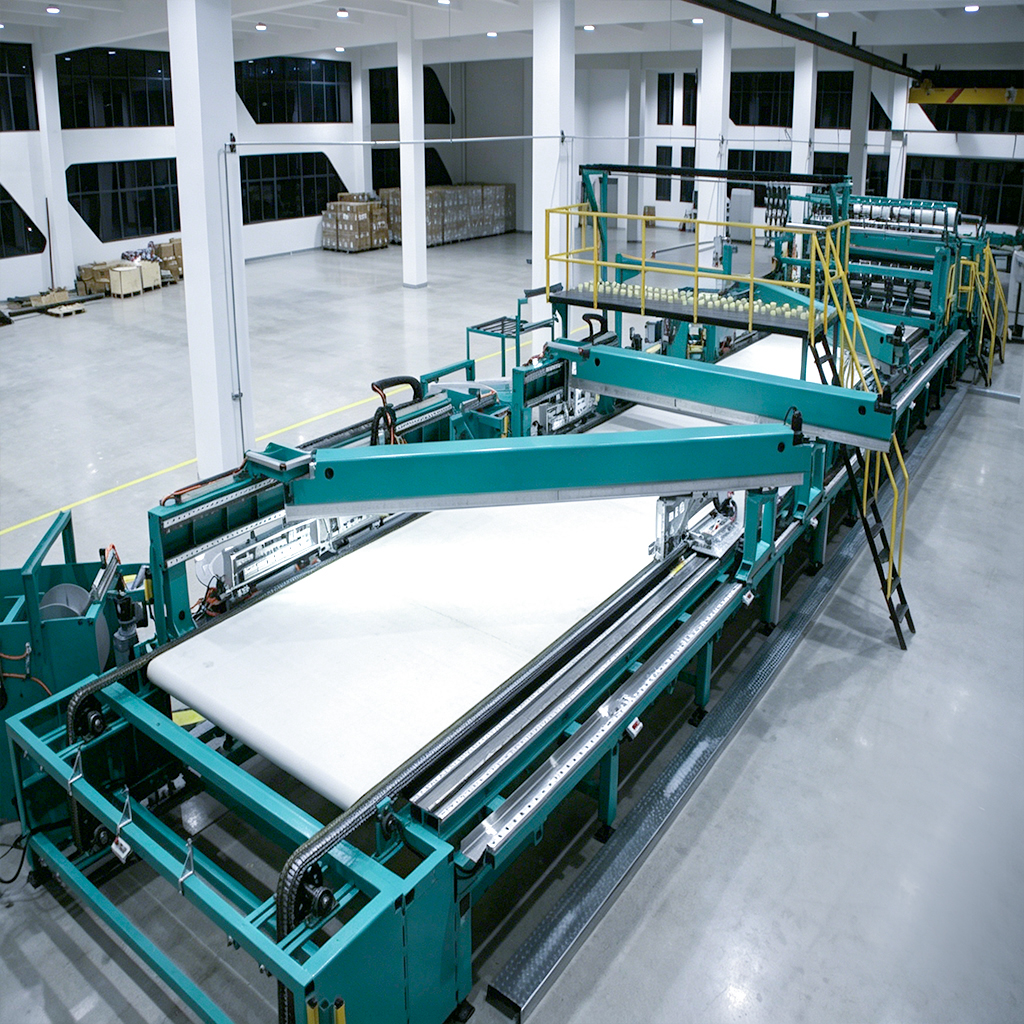
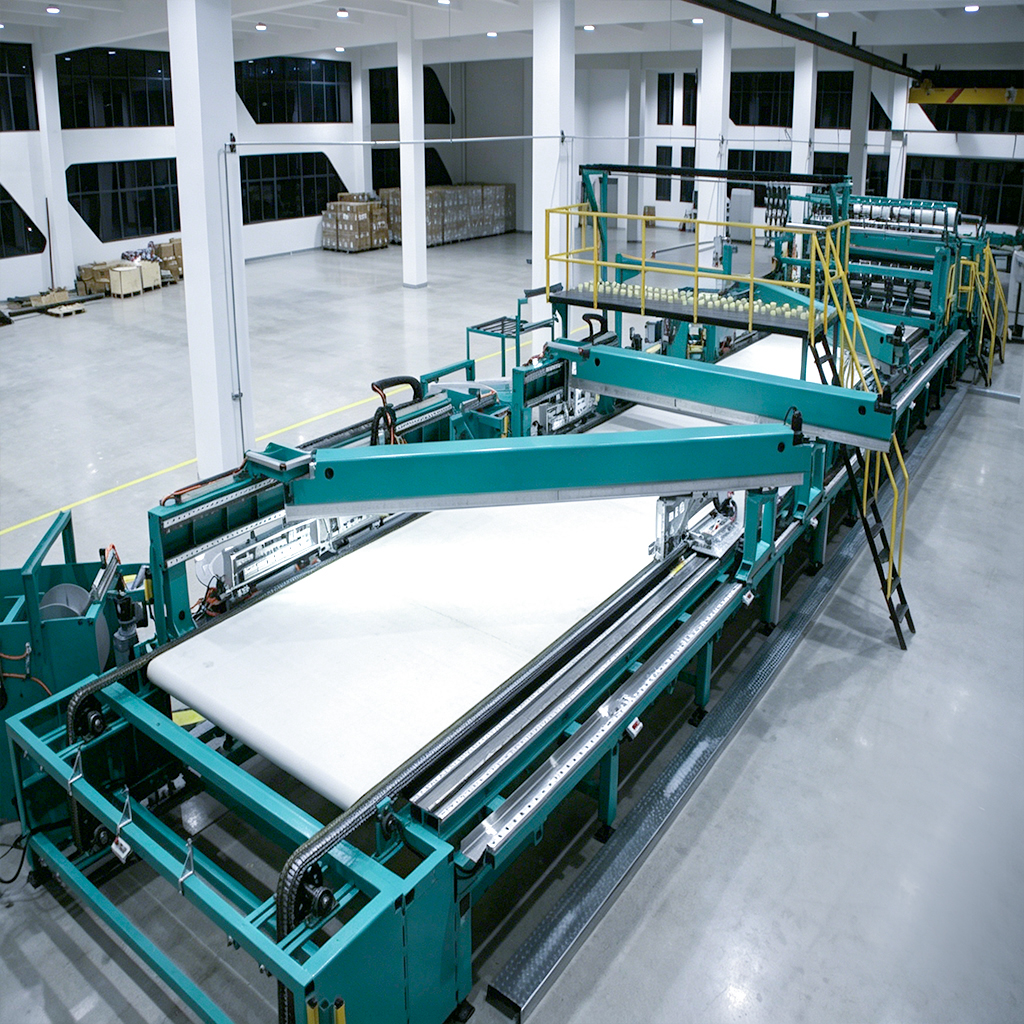
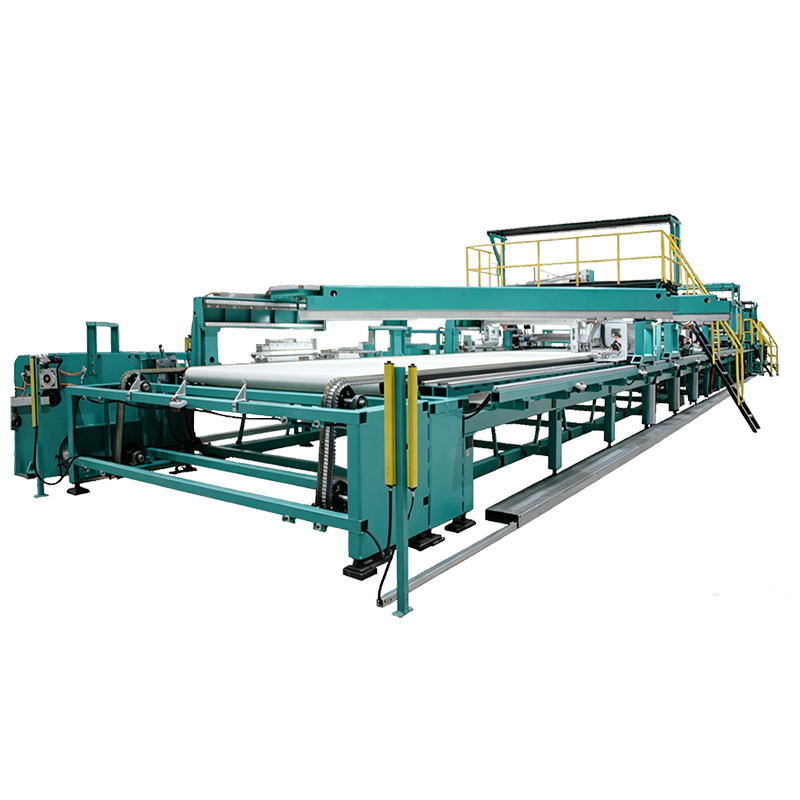
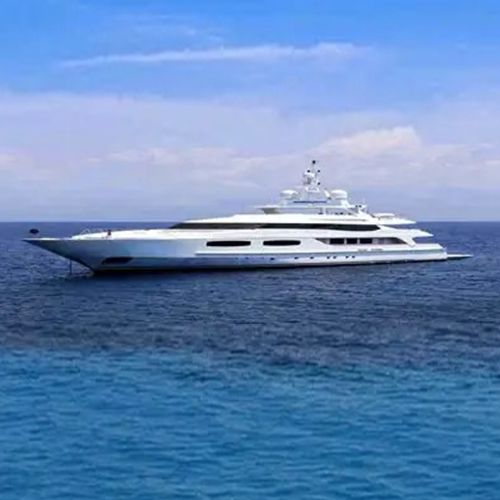
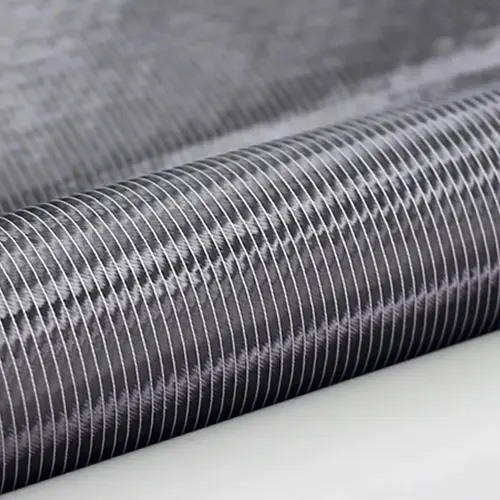
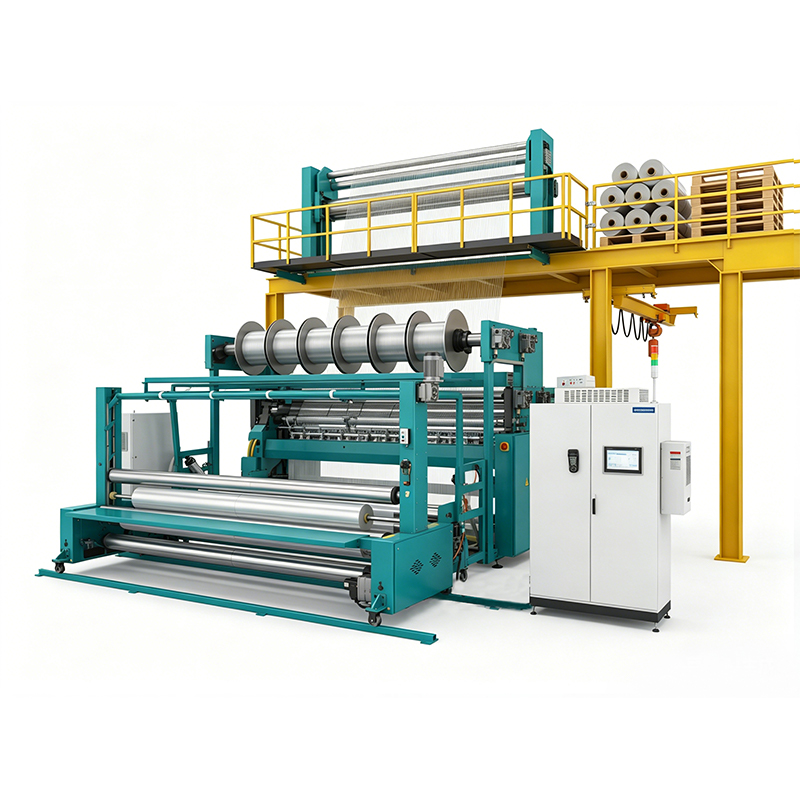
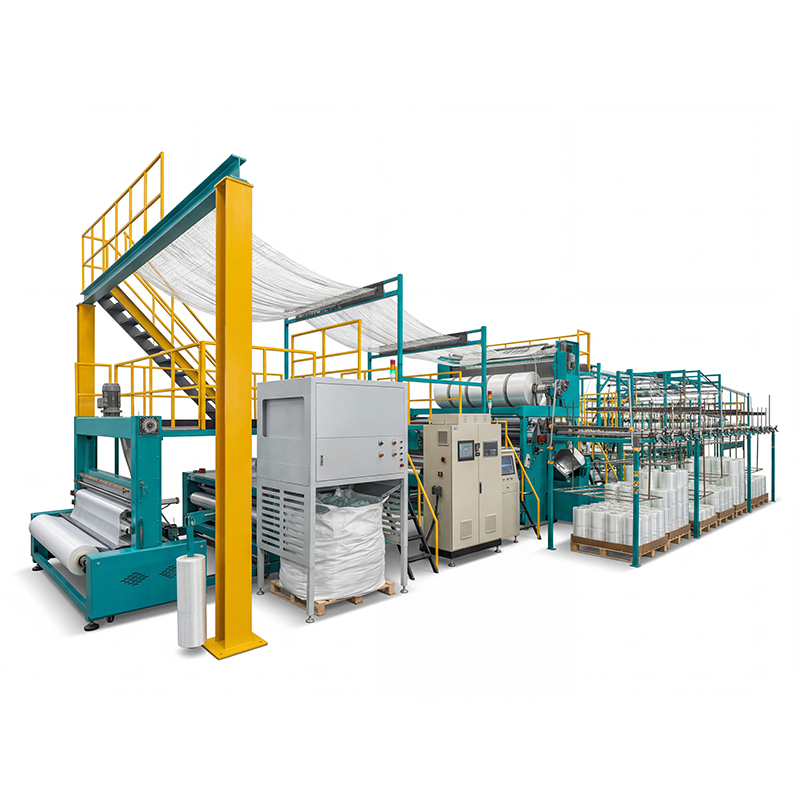
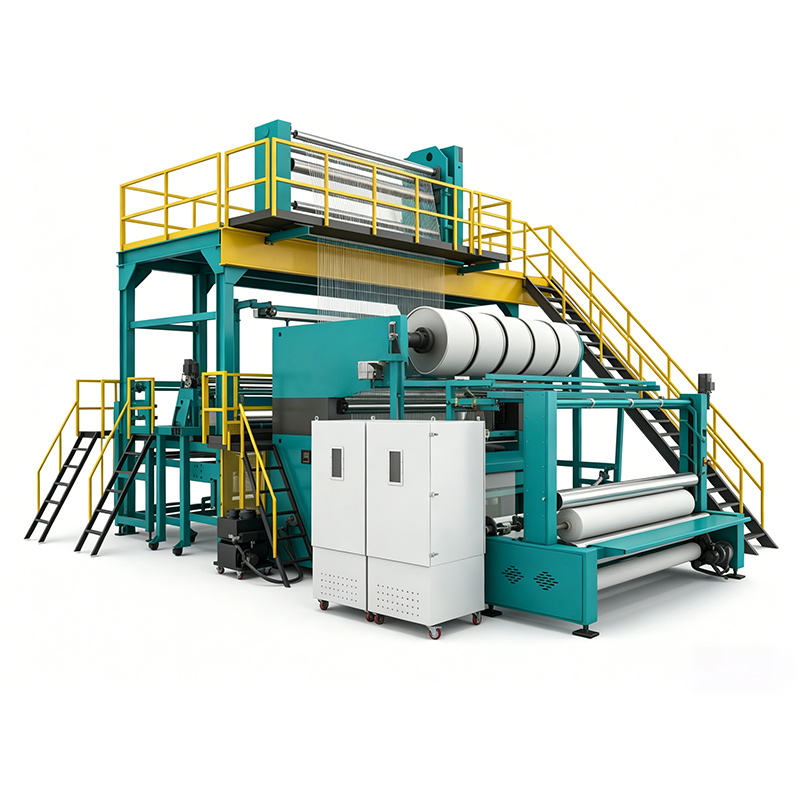
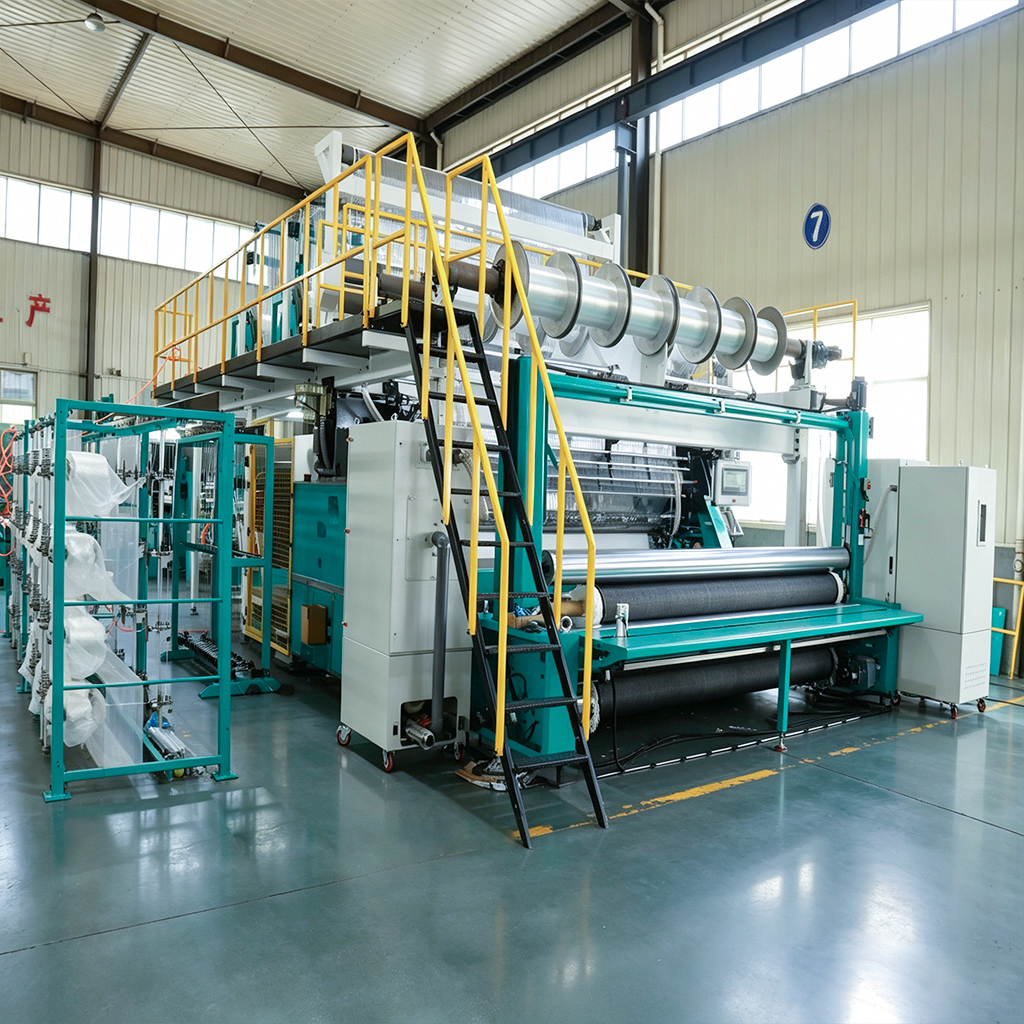
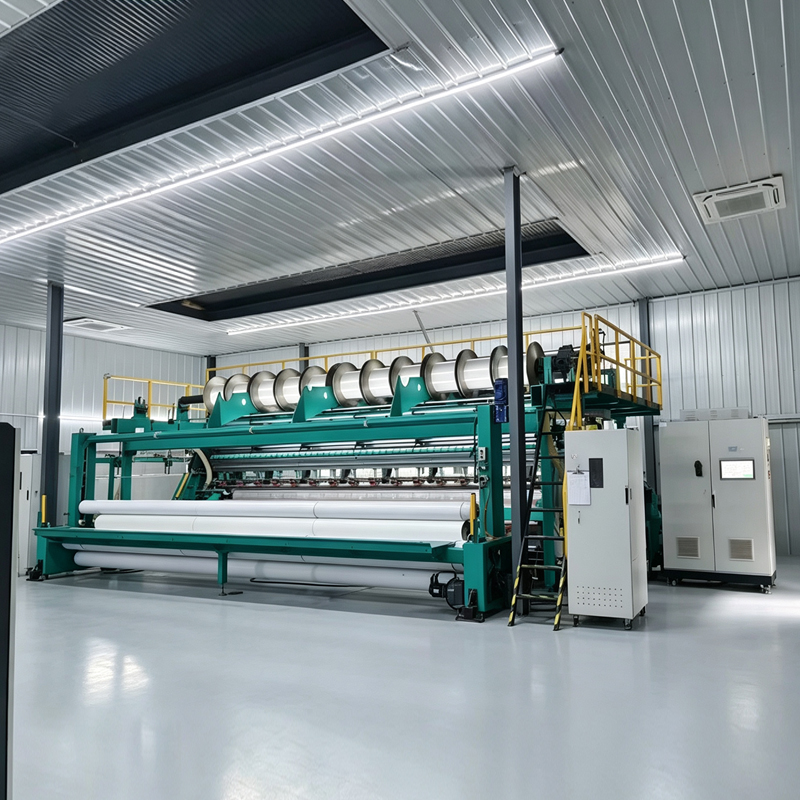
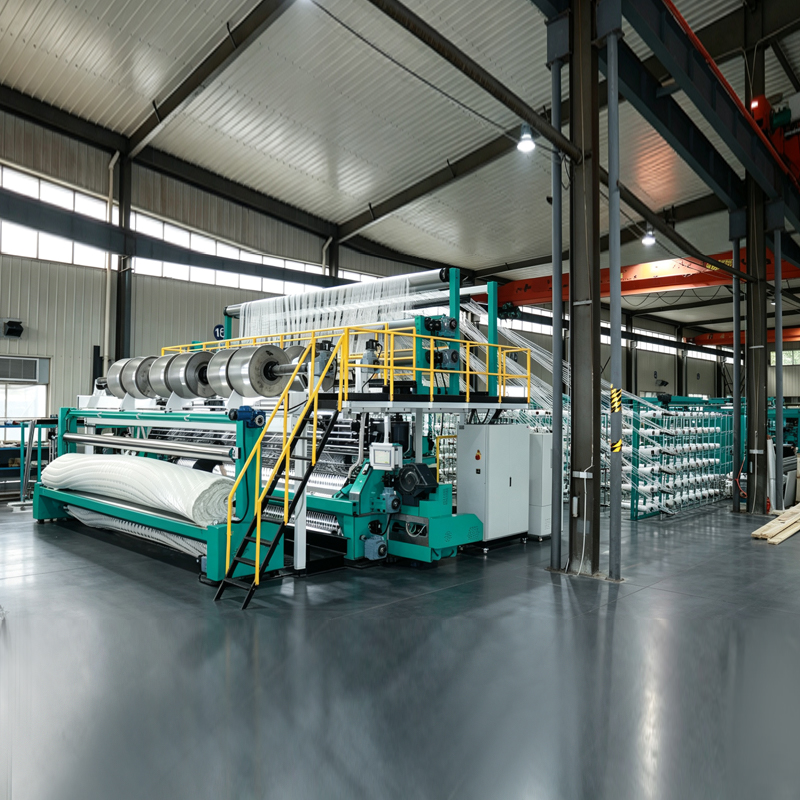
Changzhou Yuanyang Electromechanical Technology Co., Ltd. builds the YRS3-3M-C Carbon Fiber Multi-Axial Warp Knitting Machine for composite reinforcement fabrics used in yachts, ships, naval vessels, automobiles and other high-strength structural components. The machine lays weft yarns automatically at multiple angles and multiple layers, then stitches the whole stack in one forming step, so a multi-directional carbon fiber preform leaves the machine as a single fabric rather than a laminated stack.
What the YRS3-3M-C Produces
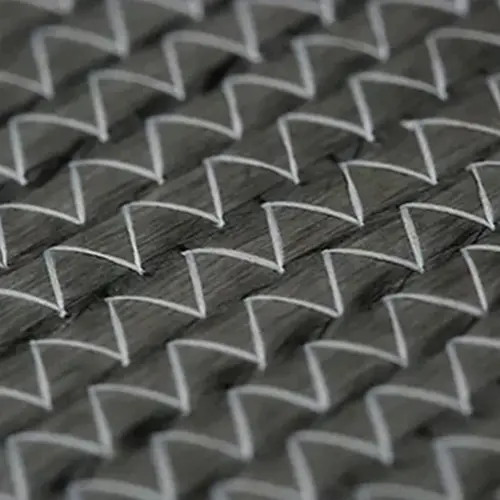
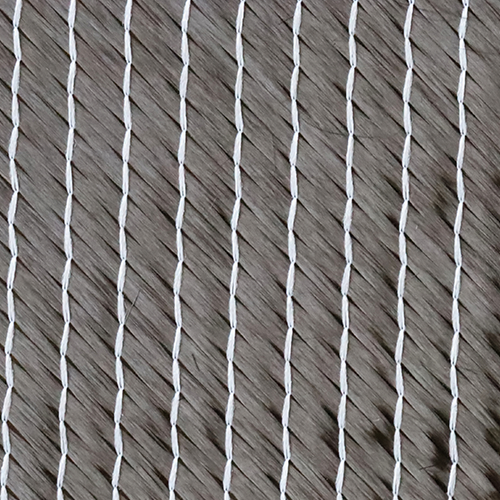
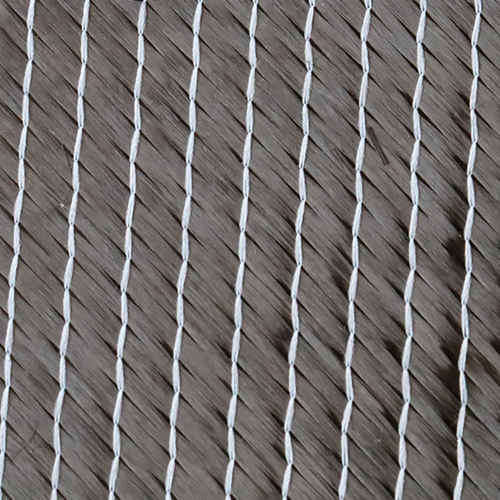
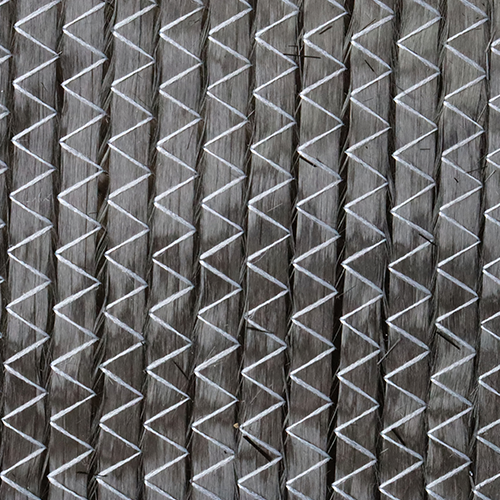
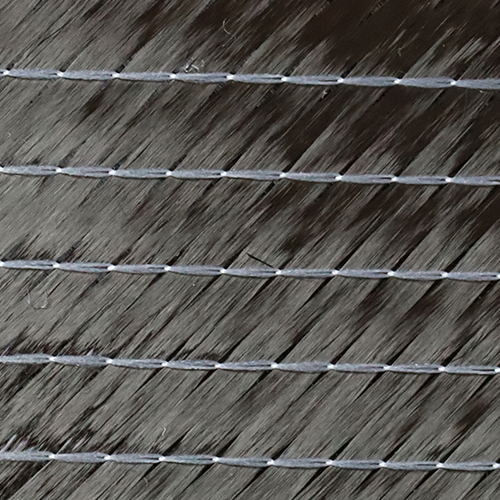
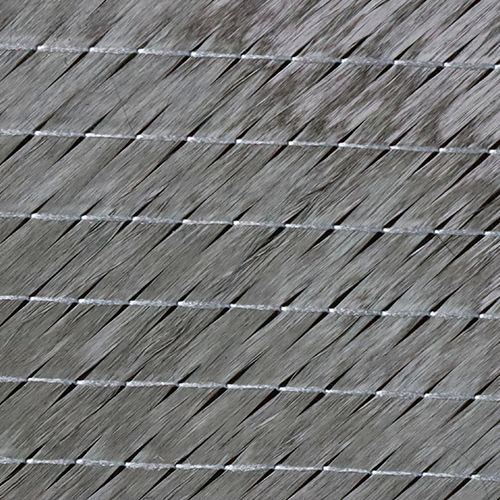
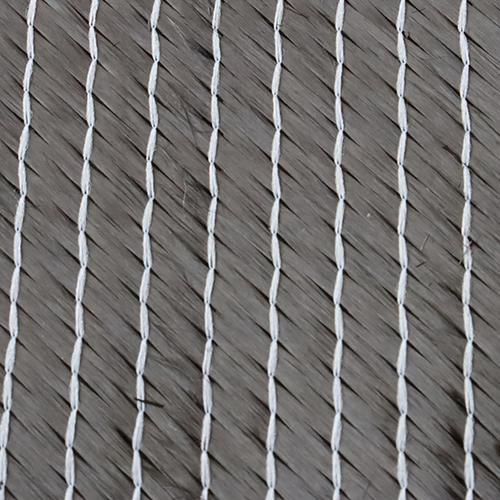
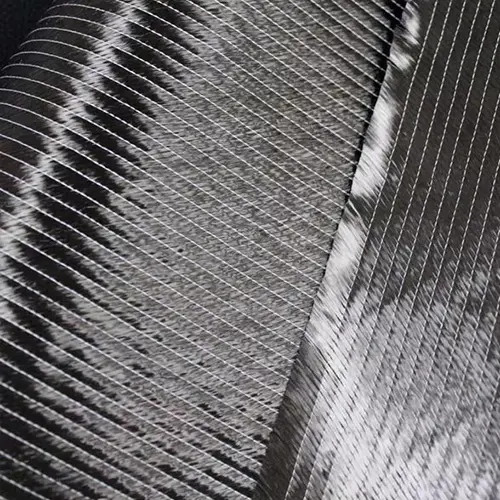
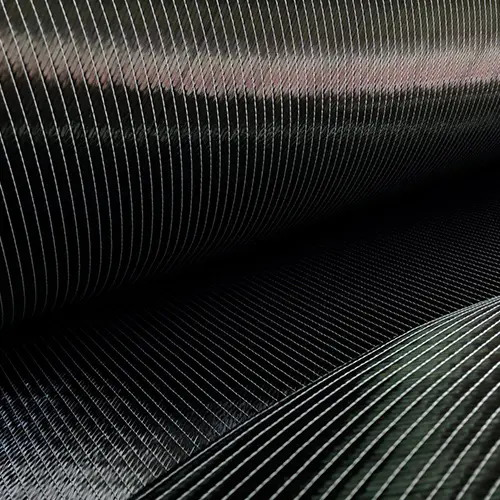
The core output is multi-layer, multi-directional carbon fiber warp-knitted fabric. Warp yarns run lengthwise, weft yarns are laid across at controlled angles, and a fine knitting yarn binds the layers together. Because the binding is a knitted loop rather than a resin bond, the fabric keeps drape and conformability, which matters when the preform has to follow a curved hull, a tapered beam or a complex tool surface.
Multi-axial construction spreads load paths in several directions inside one ply. That reduces the number of cut plies and hand lay-up steps needed to reach a target laminate, and it keeps fiber orientation consistent from roll to roll.
Published Machine Specifications
| Parameter |
Value |
Notes |
| Machine speed |
50-600 r/min |
Working range; the stable point depends on fabric construction |
| Working width |
1270 mm (50 in) |
Reference daily output 1000 m² |
| Working width |
2540 mm (100 in) |
Reference daily output 2100 m² |
| Applicable fiber |
Carbon fiber |
Also engineered for glass and synthetic fiber adaptation |
| Weft laying |
Automated, multi-layer, multi-angle |
Complex stack formed in a single pass |
Daily output figures are reference values. Actual output follows fabric construction, yarn input and process settings.
Why Multi-Axial Laying Changes the Cost Structure
Hand lay-up of unidirectional plies is labor-heavy and orientation drifts between operators. Automated weft laying fixes each angle mechanically, so the same laminate can be reproduced across shifts and across production sites. High layup efficiency, flexible design and straightforward operation are the practical gains; the mechanical properties of the finished fabric come from the fiber architecture the machine builds.
- Fewer plies per laminate — multi-directional layers replace several unidirectional layers.
- Repeatable angles — orientation is set by the laying system, not by operator judgement.
- Conformability retained — the knitted binder keeps the fabric workable over curved geometry.
- Scalable width — 1270 mm and 2540 mm builds cover narrow structural tapes and wide hull or panel fabrics.
Configuration Options We Build Around
Carbon fiber is stiff, brittle and abrasive. Yarn path geometry, tension control and guide wear resistance are the areas we adjust first when a customer's fabric structure moves away from a standard build. Configuration work typically covers:
- Working width selection between the 1270 mm and 2540 mm builds.
- Weft laying angles and layer sequence matched to the target laminate schedule.
- Creel and yarn path adaptation for carbon fiber bobbins and low-friction delivery.
- Machine structure and layout changes where workshop flow or roll handling requires them.
- Functional module development or integration for special process steps.
- Colour customization for the machine frame and guarding.
Our customization process starts from customer drawings or fabric samples, moves through 3D drawing confirmation and a quotation, then to pattern or mold trial samples before production. That sequence keeps the fabric architecture agreed before steel is cut.
Where the Machine Fits in the Yuanyang Range
The YRS3-3M-C sits in our Machine for Carbon Fiber Textile group. Adjacent machines in the portfolio serve other fiber and fabric families, and customers running mixed production often combine them on one site.
Installation, Utilities and Line Integration
The machine is delivered as a complete unit and installed on a level, vibration-isolated floor sized for the selected working width plus yarn creel and roll handling space. Carbon fiber processing benefits from a clean, temperature-stable hall; airborne dust and loose fiber fragments should be controlled at the creel and cutting points.
Electrical supply, compressed air where pneumatic functions are used, and yarn conditioning are confirmed against the site drawing before shipment. Our engineers attend the customer's factory for installation, commissioning and training, and run the machine to the agreed fabric until it performs to specification.
Quality Control and Pre-Delivery Verification
Yuanyang follows quality management system standards with refined control across component procurement, machining, assembly, testing and debugging. Every machine is tested before it leaves the factory. Our production base in Danyang includes standardized workshops, a dedicated customization zone, design trial production workstations, an inspection room and an intelligent warehouse with digital control of receiving, storage, sorting and dispatch.
For a carbon fiber machine, pre-delivery verification covers running the laying and knitting systems through the specified fabric structure, checking yarn tension consistency, confirming angle placement and inspecting the finished roll for defects.
Operation, Maintenance and Spare Parts
Carbon fiber abrades guides, needles and yarn contact points faster than soft textile yarn. We build the maintenance schedule around those wear items, with defined inspection intervals for the laying system, knitting elements and tension devices. Operators and maintainers are trained on site during commissioning, and we support longer-term training at our factory for knitters, maintainers and workshop management.
- Daily checks on yarn path cleanliness and tension readings.
- Scheduled inspection of guide elements and knitting elements for wear.
- Lubrication and drive checks per the machine manual.
- Spare parts supply and technical response through our after-sales engineers.
Information We Use to Configure Your Solution
To quote the right YRS3-3M-C build, we work from the fabric and the production target rather than from a model number alone. The following inputs let us confirm width, laying configuration, creel arrangement and process settings.
| Input |
What It Determines |
| Fabric construction drawing or sample |
Layer count, weft angles, stitch pattern, areal weight |
| Yarn type, linear density and bobbin format |
Creel design, yarn path, tension range |
| Required roll width and roll diameter |
1270 mm or 2540 mm build, take-up arrangement |
| Target daily output and shift pattern |
Operating speed point and capacity planning |
| Workshop layout and available floor area |
Machine layout, creel position, material flow |
| Site power, air and environmental conditions |
Utilities scope and installation plan |
Frequently Asked Questions
What fabric structures can the YRS3-3M-C produce?
It produces multi-layer, multi-directional carbon fiber warp-knitted fabrics through automated multi-angle weft laying. Layer count and weft angles are set by the fabric design, so the machine can build the reinforcement architecture required for a specific structural component.
Which working width should we choose?
We offer 1270 mm (50 in) and 2540 mm (100 in) working widths, with reference daily outputs of 1000 m² and 2100 m² respectively. The choice follows the finished roll width your downstream cutting or lay-up process needs, balanced against floor space and creel size.
Can the machine run glass or synthetic fiber as well as carbon fiber?
The YRS3-3M-C is specified for carbon fiber. For glass and synthetic fiber multi-axial work we supply the YRS3-3M Multi-Axial Warp Knitting Machine, and material adaptation is part of our customization scope where a project requires it.
How is the machine installed and commissioned?
Our engineers travel to the customer's factory for on-site installation, commissioning and training, and continue until the machine runs to the agreed fabric specification. Training covers operation, maintenance and workshop management, with longer factory-based programs available for knitters and maintainers.
What happens if the fabric design changes after delivery?
Process parameters, laying configuration and knitting settings can be revised as the fabric evolves. Our after-sales engineers support parameter changes and structural adjustments, and where a new structure needs different hardware, we handle the modification as a customization project.
What documentation and support come with the machine?
Equipment documentation covers operation and maintenance, and we can assist customers in establishing and compiling quality system documents. Spare parts, technical response and long-term production support are handled through our after-sales service system.


 English
 中文简体
中文简体 русский
 Français
 Español
 Deutsch