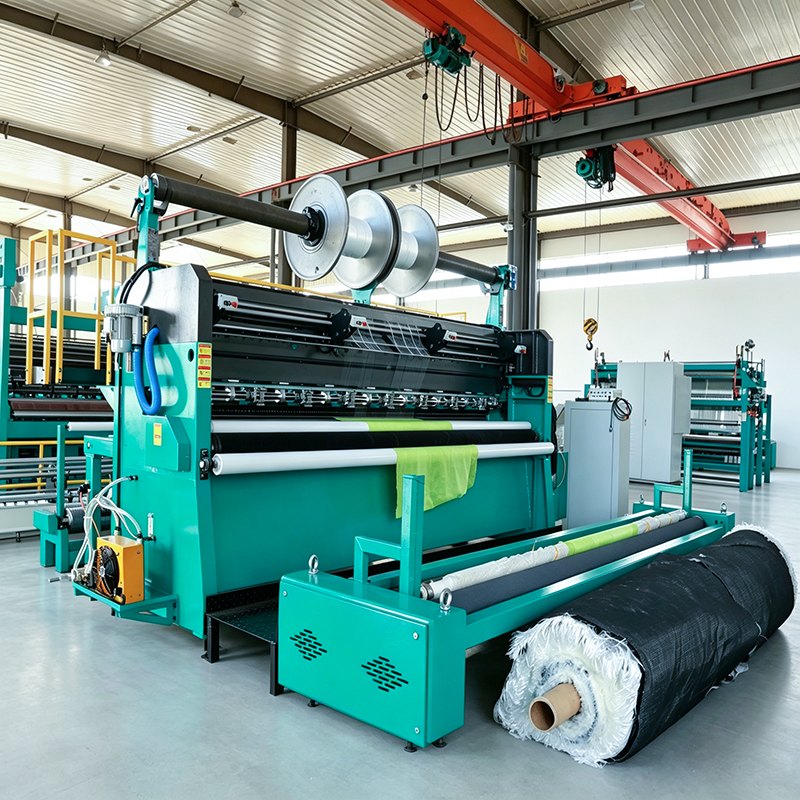
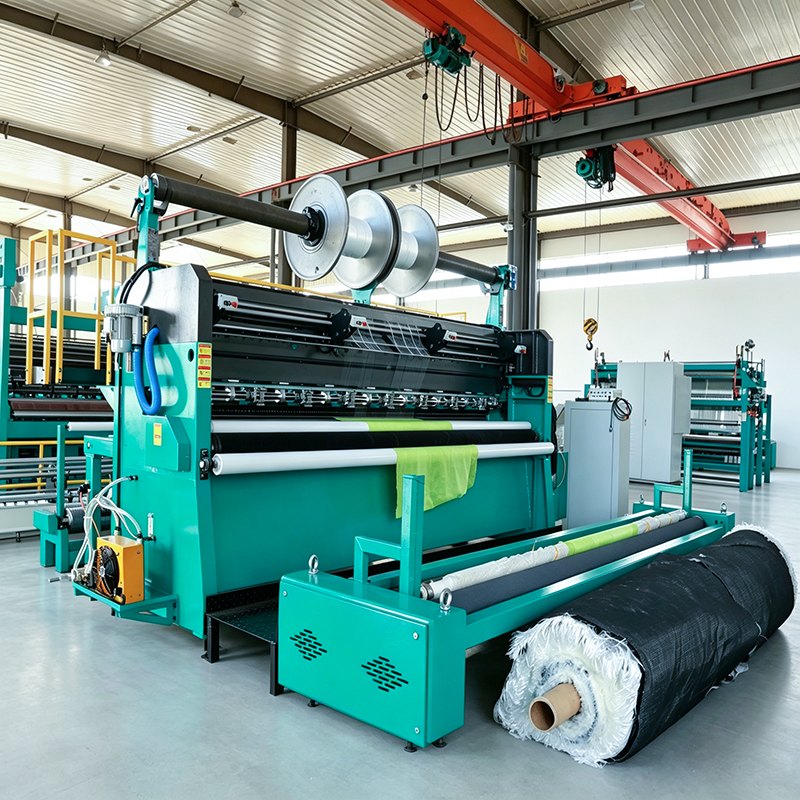
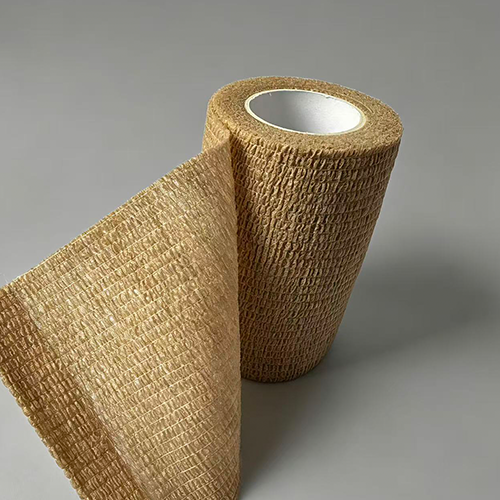
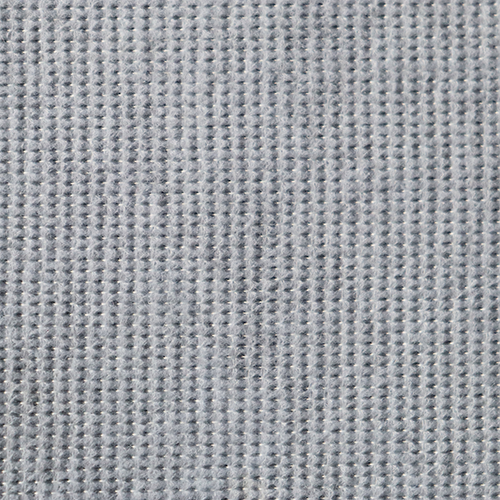
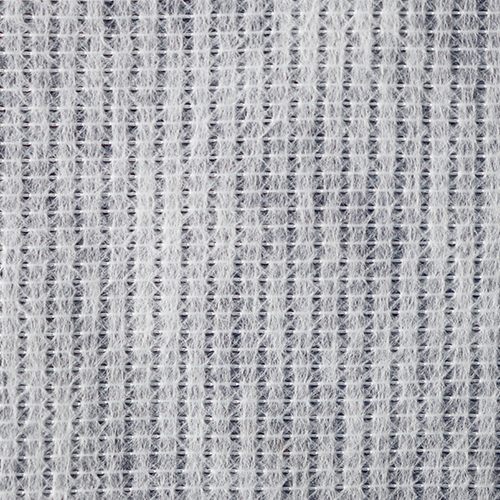
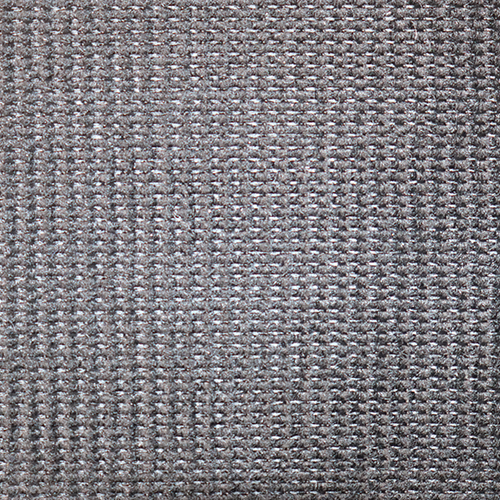
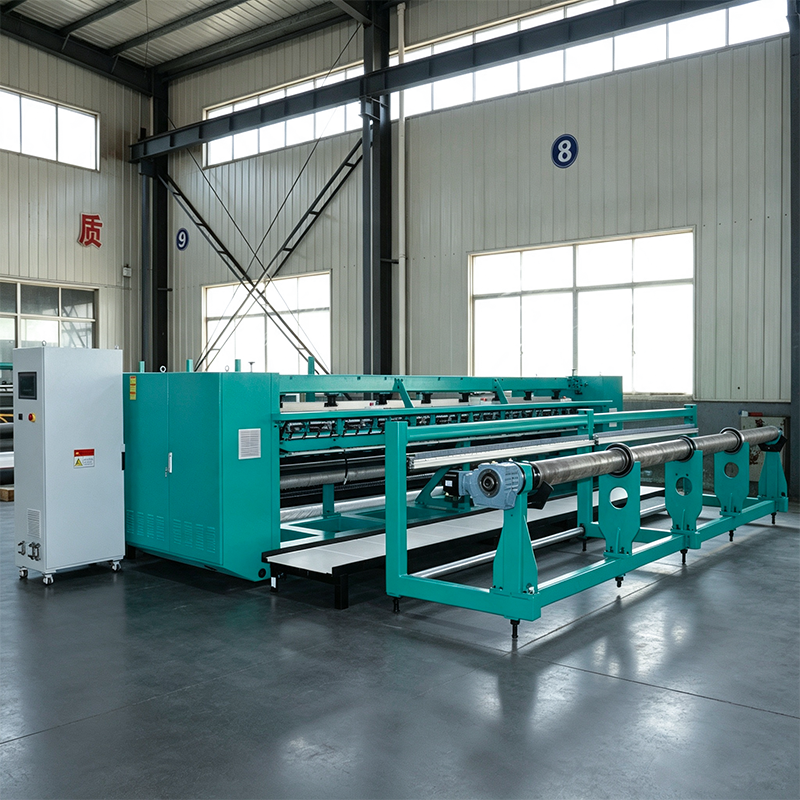
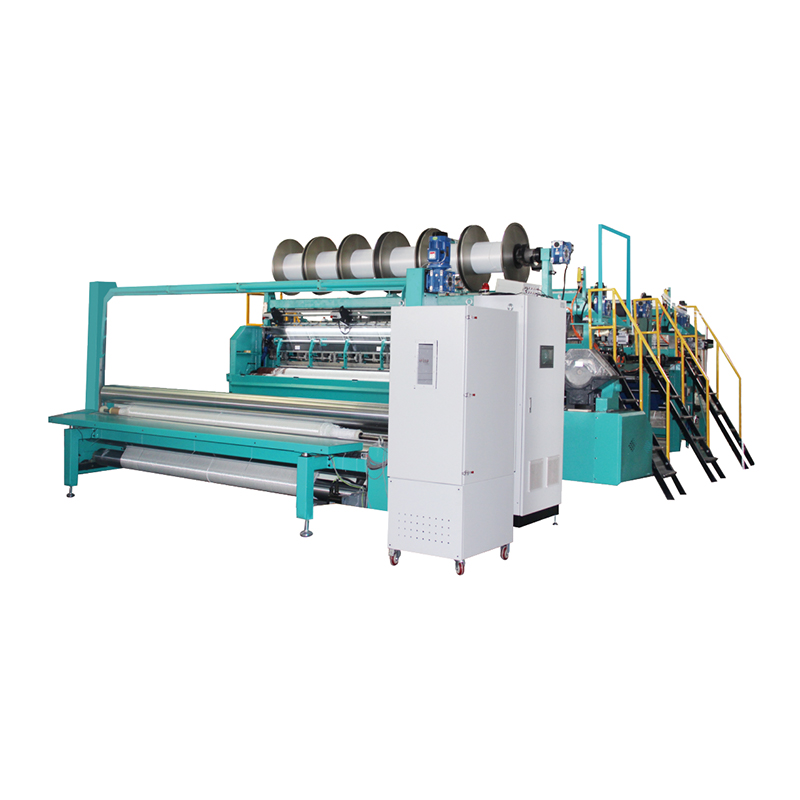
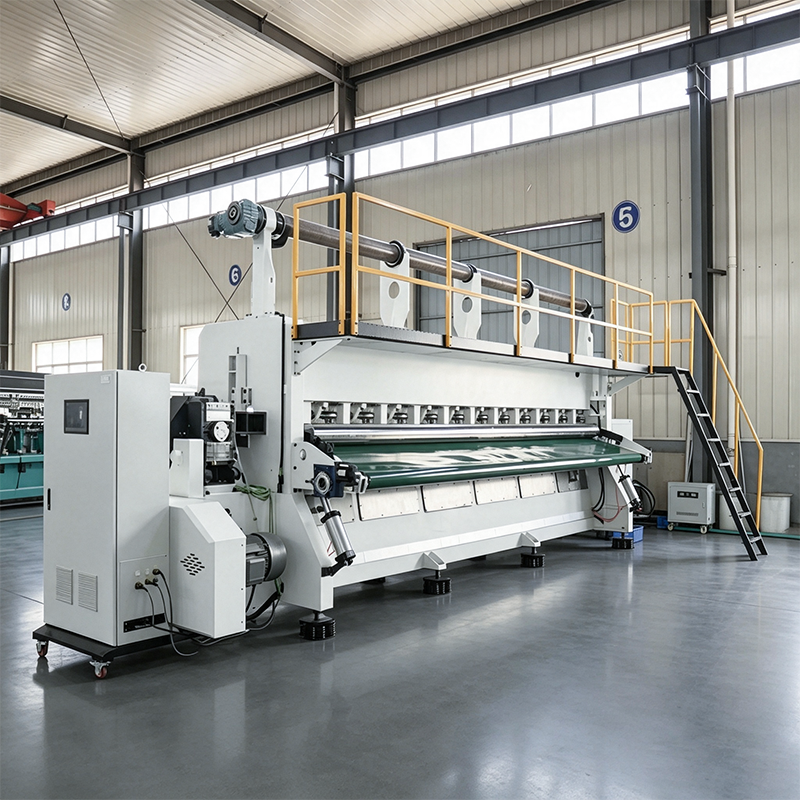
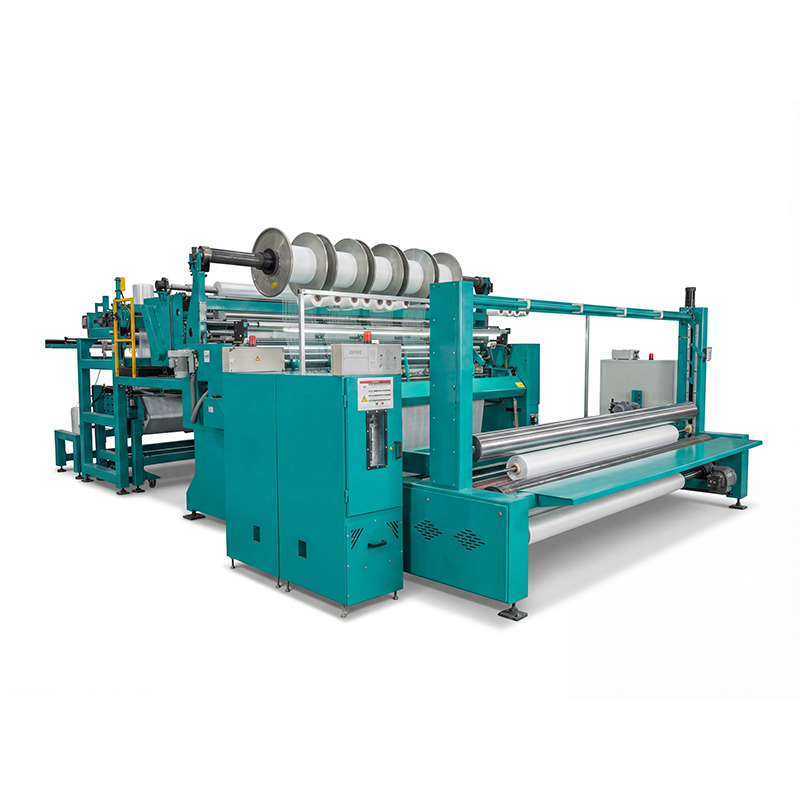
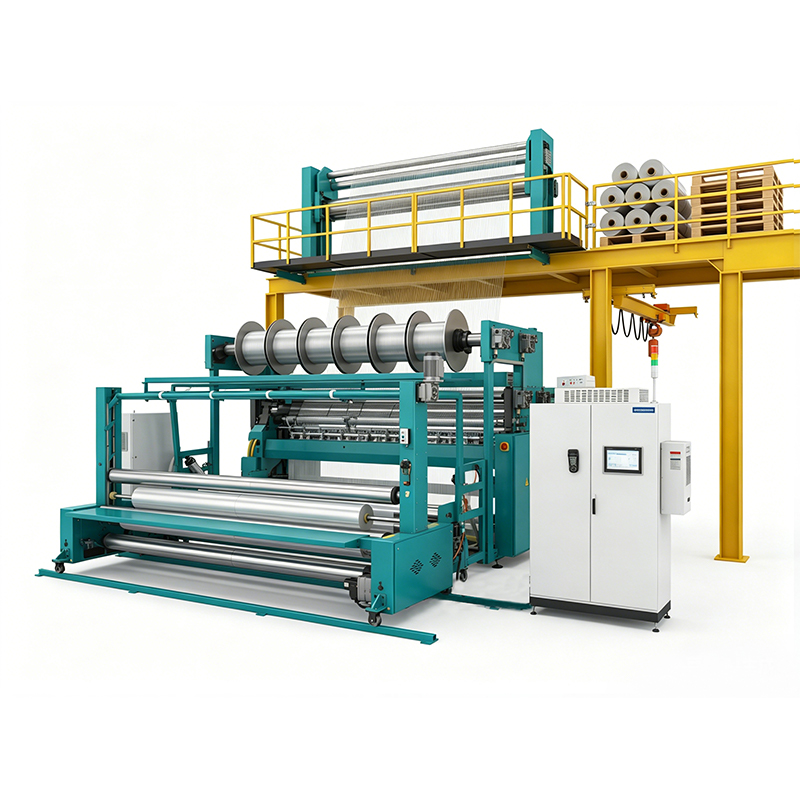
Changzhou Yuanyang Electromechanical Technology Co., Ltd. manufactures the FB Fiber Web Stitch Bonding Machine for mills that convert loose chemical fiber webs into dimensionally stable stitch-bonded fabrics. The FB is the entry point of our chemical fiber range: a Malimo/Maliwatt-type machine that bonds a carded or air-laid web with a warp-knitting loop mechanism instead of chemical binders, so the finished roll keeps its strength without a drying or curing stage.
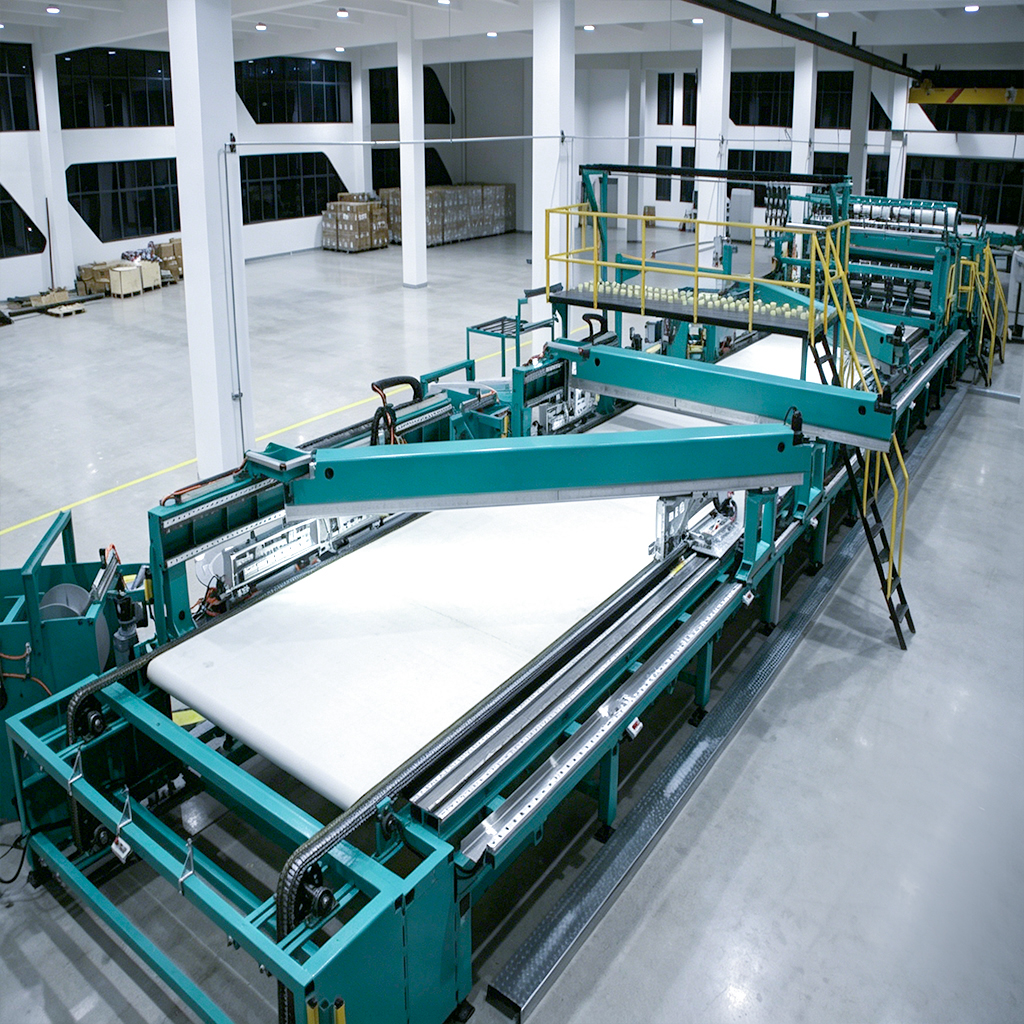
We build the FB in Danyang, Jiangsu, on a 12,000+ m² production base with an annual capacity of 200+ sets, and we configure each unit around the fiber blend, web weight, fabric construction and downstream line the customer is running.
What the FB Machine Does
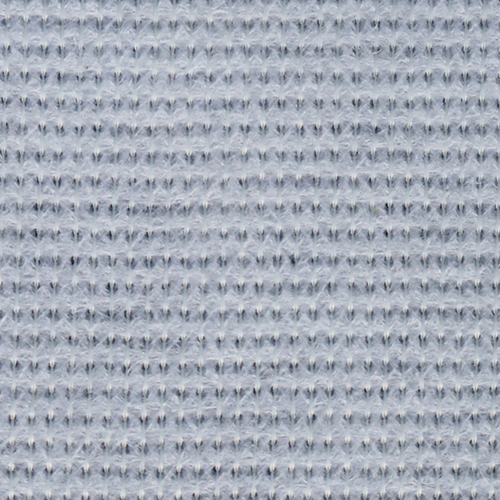
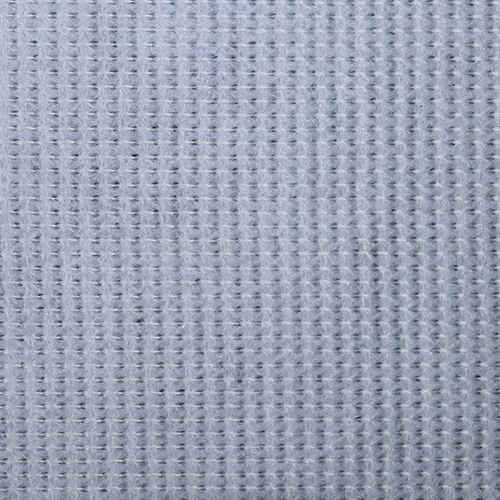
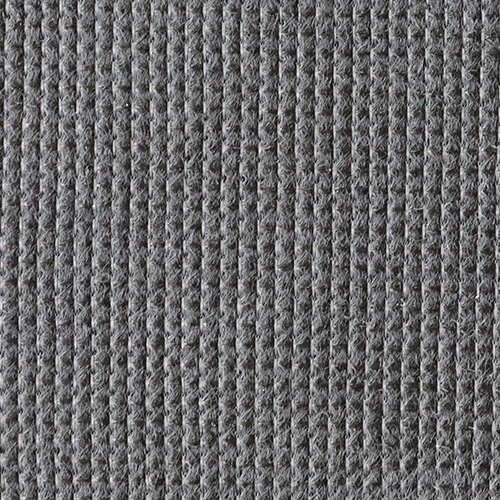
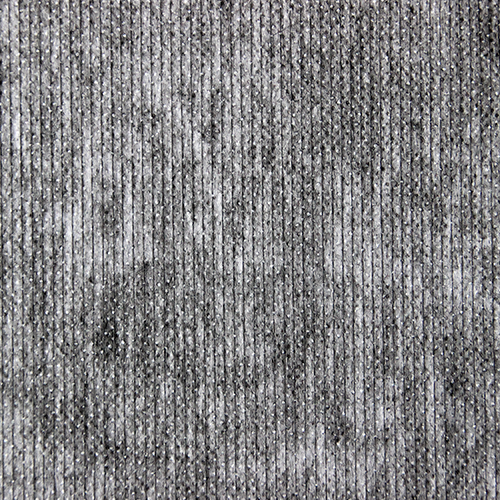
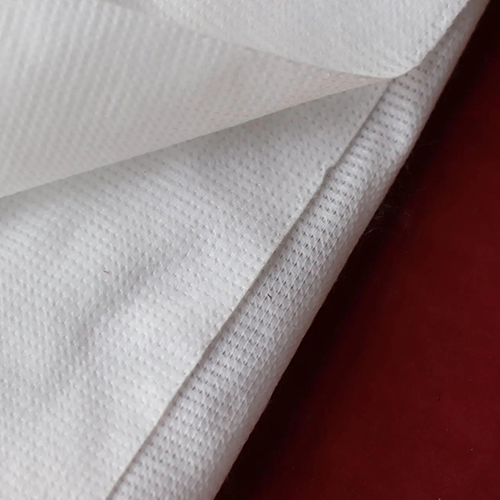
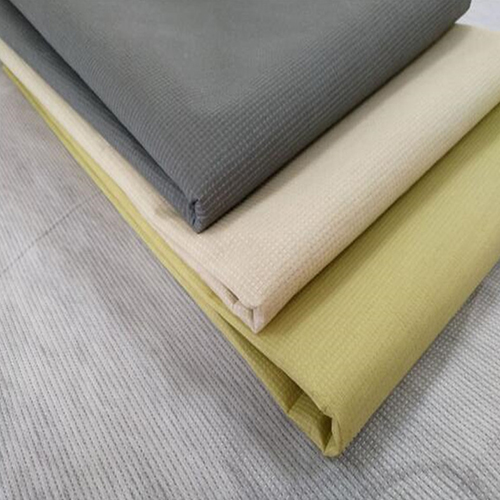
The FB feeds a loose fiber web into the stitching zone, where warp yarns are looped through the web thickness and locked into a stable loop structure. Because bonding is mechanical, the fabric avoids the stiffness and residual chemistry that binder-based lines introduce, and the web keeps its bulk and hand.
- Applicable fibers: chemical fibers, including polyester, polypropylene, viscose, nylon and blends.
- Machine speed: 50–1200 r/min, set according to web weight and stitch density.
- Working width: 4400 mm (173 in).
- Reference output: approximately 5000 m² per day on a 150 g shoe-material construction; actual output follows fabric construction and process settings.
Applications We Build the FB For
The FB is a wide-application platform rather than a single-fabric machine. Mills use it across coated and laminated substrates, home textiles and technical nonwovens where a stable, high-strength loop structure matters more than surface decoration.
Lixin fabric and interlinings
Stitch-bonded webs for garment interlining and reinforcement where dimensional stability under heat and moisture is the governing requirement.
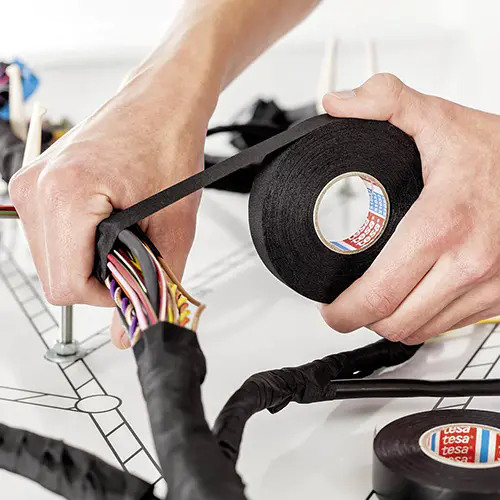
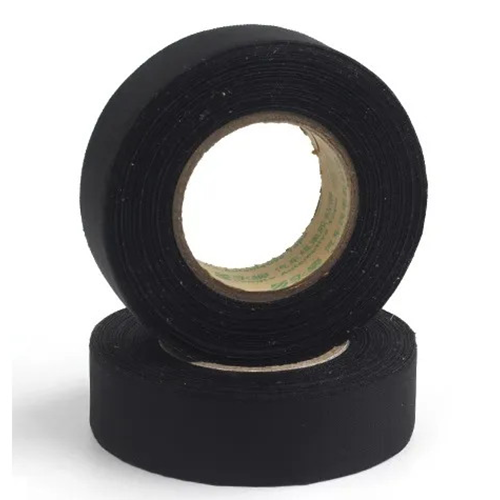
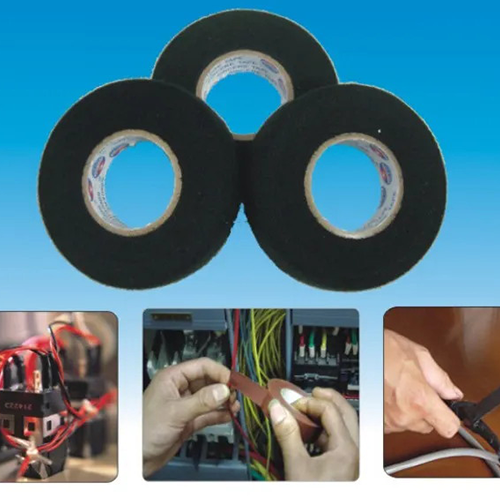
Wire harness tape
Nonwoven substrates for automotive harness wrapping, where consistent thickness and clean edges support downstream slitting and coating.
Curtain and home textile fabrics
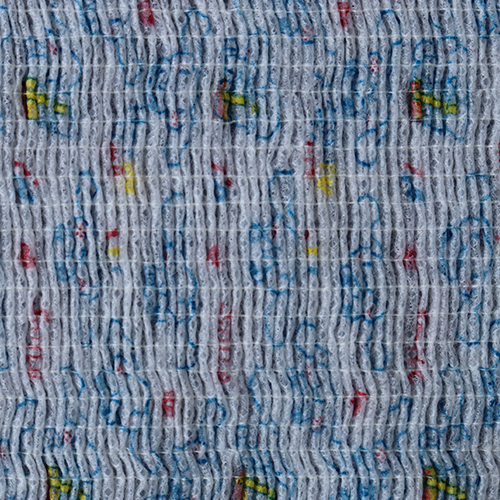
Decorative and functional webs that need a soft hand with a stable loop structure for printing, dyeing or finishing.
Waterproof membranes and shoe materials
Carrier and reinforcement webs for membrane lamination and footwear components, including 150 g shoe-material constructions.
Specification Meaning and Operating Boundaries
Speed, width and stitch density interact. Running the FB at the top of its speed range suits light webs and open stitch patterns; heavier webs and dense loop structures call for lower speeds to protect needle life and stitch uniformity. We set the working point with the customer rather than quoting a single headline figure.
| Parameter |
FB Specification |
Practical Effect |
| Applicable fibers |
Chemical fibers and blends |
Wide raw-material flexibility; fiber blend drives carding and web quality |
| Machine speed |
50–1200 r/min |
Throughput scales with web weight and stitch density |
| Working width |
4400 mm (173 in) |
Wide-format output for coating, lamination and slitting lines |
| Reference daily output |
≈5000 m² (150 g shoe material) |
Indicative only; confirm against your construction |
| Bonding principle |
Warp-knitting loop mechanism |
No binder, no curing; stable loop pile structure |
Where the FB Sits in Our Chemical Fiber Range
The FB is one of several stitch-bonding platforms we manufacture. Mills that need higher output or different fiber handling move along the same range, and we advise on the correct platform before a quotation is issued.
Configuration Options
We treat the FB as an engineered configuration, not a fixed catalogue item. Customization can extend to machine structure and layout, functional module integration, adaptation for special fibers, and process-oriented optimization for stability and efficiency.
- Working width and layout: matched to your existing carding, web-laying and winding positions.
- Stitch pattern and gauge: selected from the fabric structure and target tensile behaviour.
- Yarn path and guide bar arrangement: set for the warp yarn count and fiber type in use.
- Drive and control interface: configured around the required line interface and operator station.
- Colour and guarding: finished to customer specification where required.
Installation, Commissioning and Training
Once the equipment reaches the customer's factory, our engineer is assigned on site for installation, commissioning and training until the line runs to the agreed working point. Training covers knitter operation, maintainer routines and workshop management topics such as quality control, production planning and process parameters, with hands-on time in our fabrication workshop available for 1–2 month programmes.
We also assist customers in establishing and compiling quality system documentation, and our after-sales engineers respond to operating issues to shorten unplanned downtime.
Quality Control and Pre-Delivery Verification
Yuanyang follows quality management system standards with refined control from component procurement through production, assembly, testing and debugging. Every machine is tested before it leaves the factory. Our production base includes a dedicated inspection room and an intelligent warehouse with digital control of warehousing, storage, sorting, inventory checking and delivery, which supports stable supply and on-time dispatch.
Maintenance and Serviceability
- Needle and loop-forming elements are the primary wear items; access is planned so replacement does not require dismantling the web path.
- Guide bars, yarn tensioners and feed rollers are set during commissioning and recorded in the process sheet for repeatable resetting.
- Lubrication points and drive components follow a scheduled routine documented at handover.
- Spare parts and technical support are handled through our after-sales service system and regional service stations.
Information We Use to Configure Your Solution
A usable FB proposal depends on the production reality, not a generic datasheet. We prepare the configuration and quotation from the following inputs.
| Input |
What We Need |
Why It Matters |
| Fiber and blend |
Fiber type, denier, blend ratio, recycled content |
Drives needle selection and web handling |
| Web weight and width |
g/m² range and finished roll width |
Sets the working point and output estimate |
| Fabric construction |
Stitch pattern, gauge, target tensile and elongation |
Defines loop-forming configuration |
| Line interface |
Upstream carding or web-laying, downstream winding or coating |
Determines layout and control integration |
| Utilities and site |
Power supply, compressed air, floor space, lifting access |
Confirms installation feasibility |
| Production target |
Required daily output and shift pattern |
Validates capacity against the working point |
| Samples or drawings |
Fabric samples, 2D drawings or layout sketches |
Basis for 3D confirmation before manufacture |
Frequently Asked Questions
What fiber range can the FB process?
The FB is built for chemical fibers and their blends, including polyester, polypropylene, viscose and nylon. Fiber denier, blend ratio and recycled content affect carding quality and needle selection, so we confirm these before finalising the configuration.
How is the 5000 m² daily figure calculated?
It is a reference value for a 150 g shoe-material construction. Real output depends on web weight, stitch density, running speed and shift pattern. We calculate the expected output for your specific construction during configuration.
Does the FB need chemical binders or a curing oven?
No. Bonding is mechanical: warp yarns are looped through the loose fiber web by a warp-knitting loop mechanism, producing a stable, high-strength loop structure without a binder or drying stage.
Can the working width be adapted to our existing line?
The standard working width is 4400 mm (173 in). Where the upstream carding, web-laying or downstream winding equipment requires a different layout, we review machine structure and layout as part of the customization scope.
What training and commissioning support is included?
An engineer is assigned to the customer's factory for on-site installation, commissioning and training until the equipment runs correctly. Knitter, maintainer and workshop management training programmes of 1–2 months are available at our fabrication workshop.
How do we start a configuration for the FB?
Send the fiber specification, web weight, target fabric construction, line interface details and any fabric samples or drawings. We confirm the configuration, issue a quotation, and produce 3D drawings for approval before manufacturing begins.


 English
 中文简体
中文简体 русский
 Français
 Español
 Deutsch