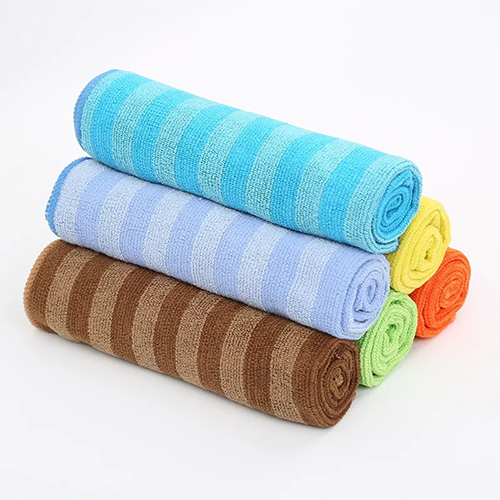
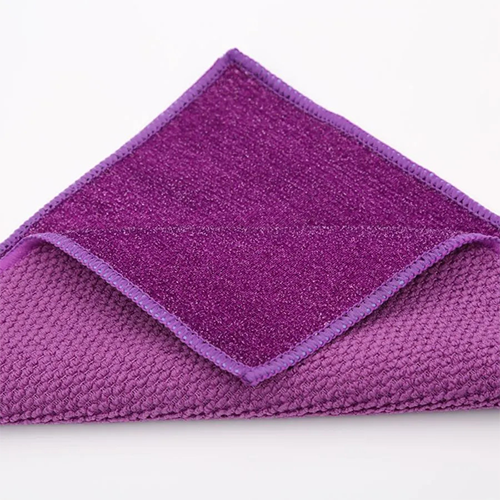
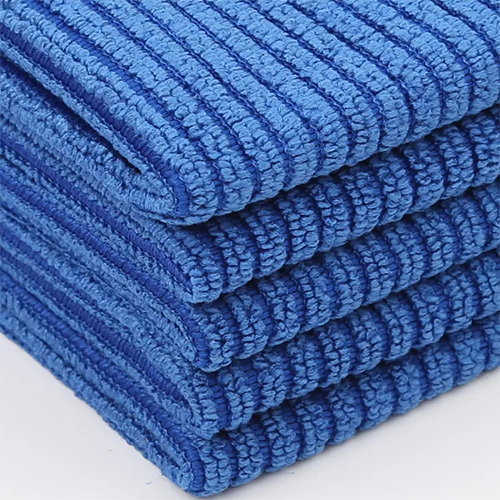
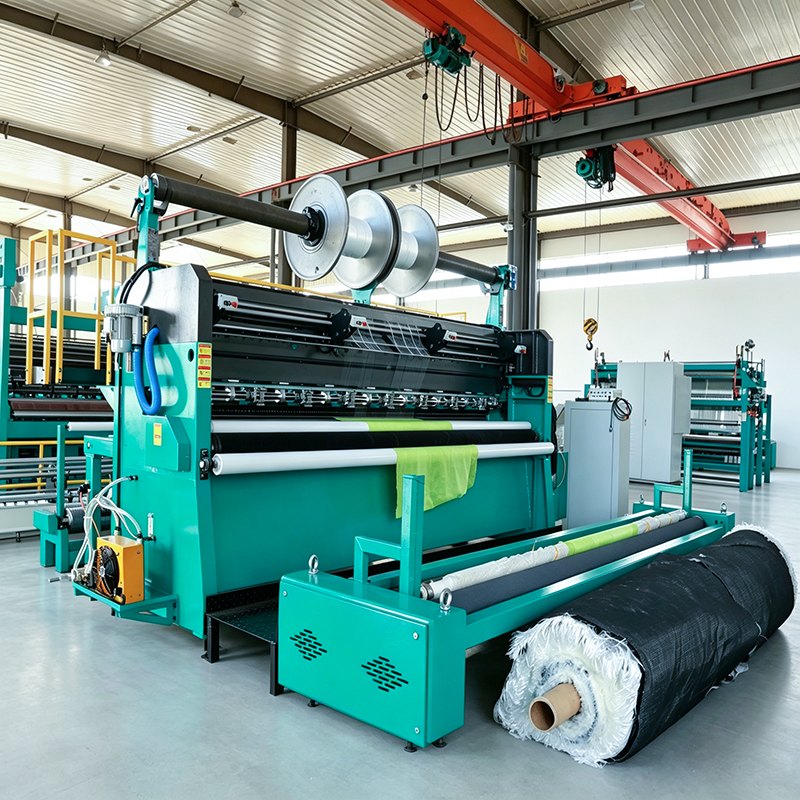
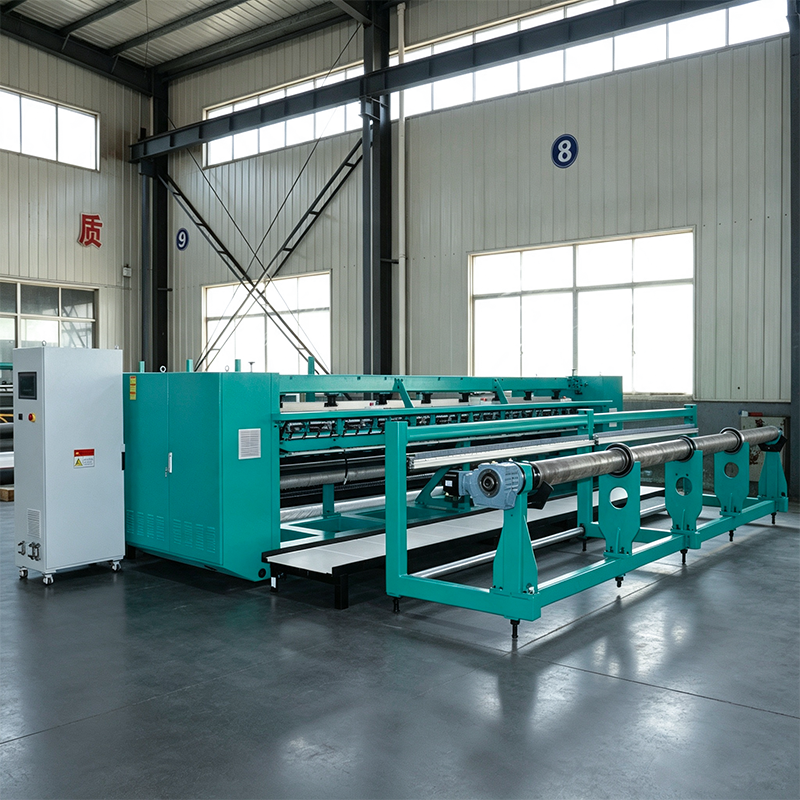
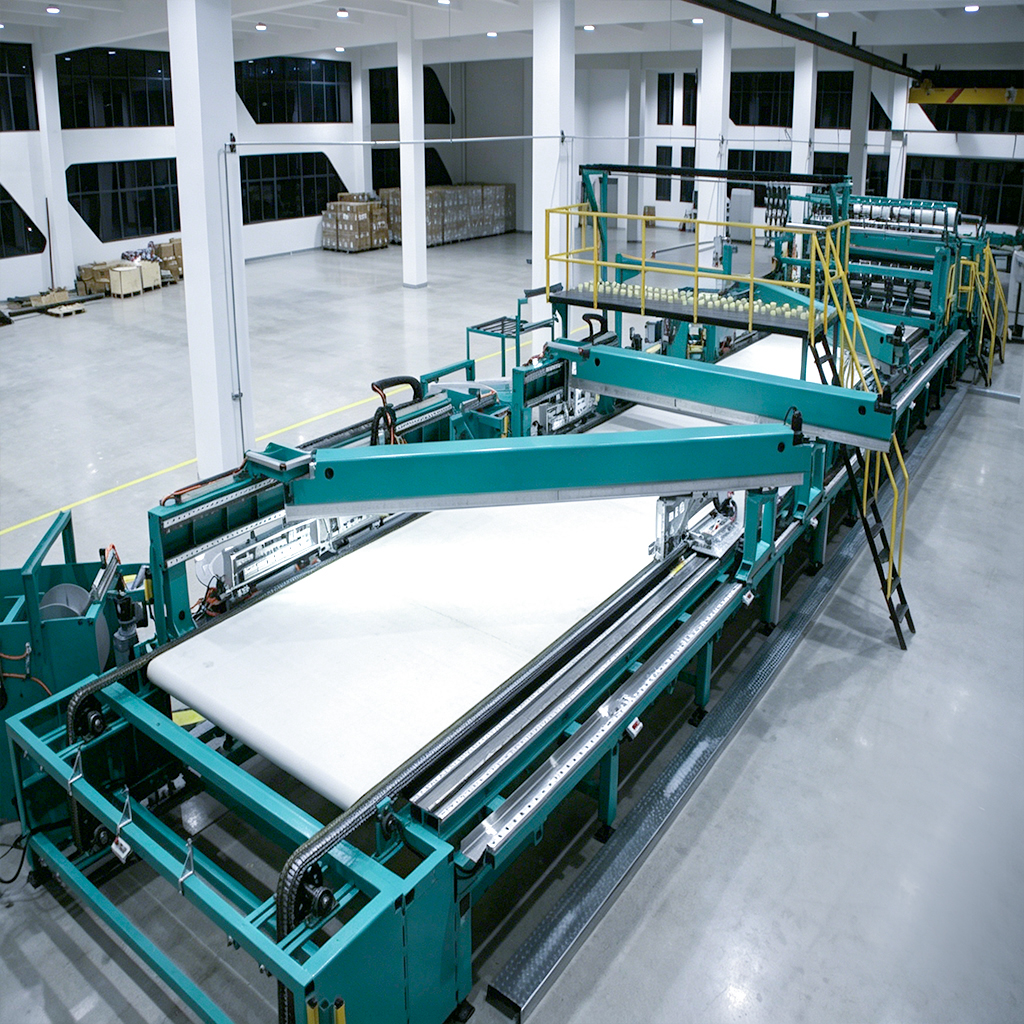
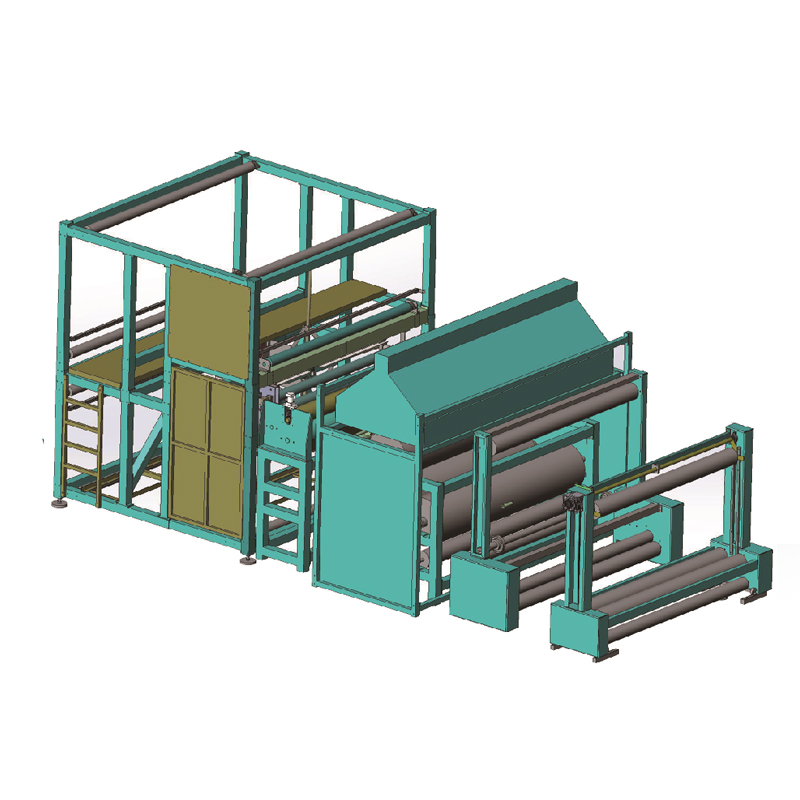
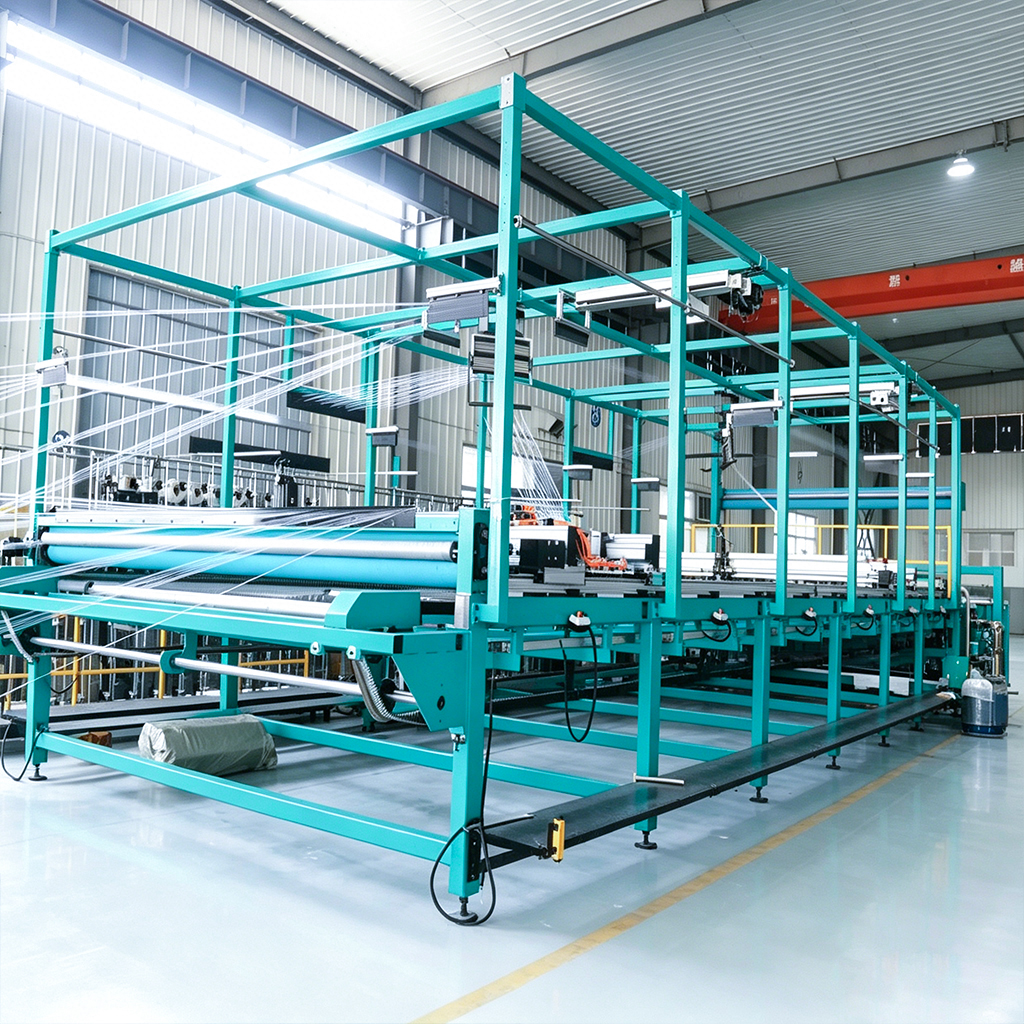
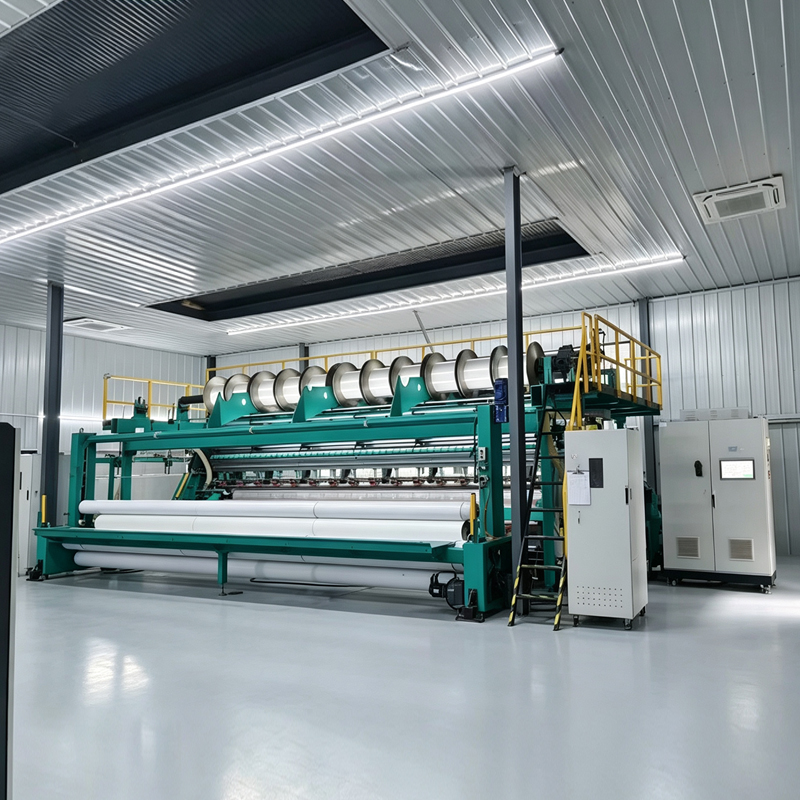
Changzhou Yuanyang Electromechanical Technology Co., Ltd. manufactures the TM Towel Machine, a terry warp knitting machine engineered for single-sided and double-sided loop pile fabrics used in cleaning towels, hotel textiles and EPE foam composite materials. The machine runs at 50–600 r/min and is available in working widths of 3500 mm (138") and 4500 mm (177").
What the TM Towel Machine Produces
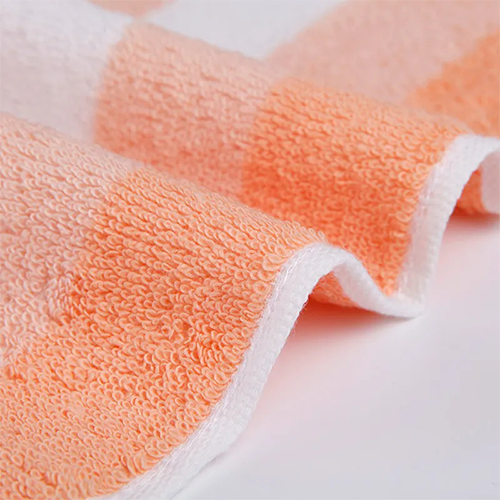
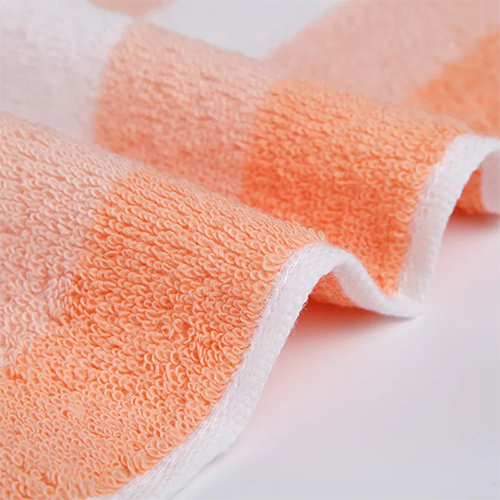
The TM Towel Machine is built for terry fabrics similar to those produced on Superpol and Liropol machines. It uses a dual guide bar division of functions with sinker-assisted loop formation, which allows one machine to switch between single-sided and double-sided loop pile structures without a complete rebuild.
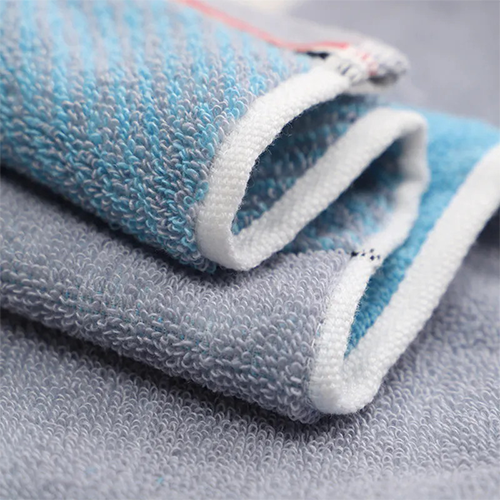
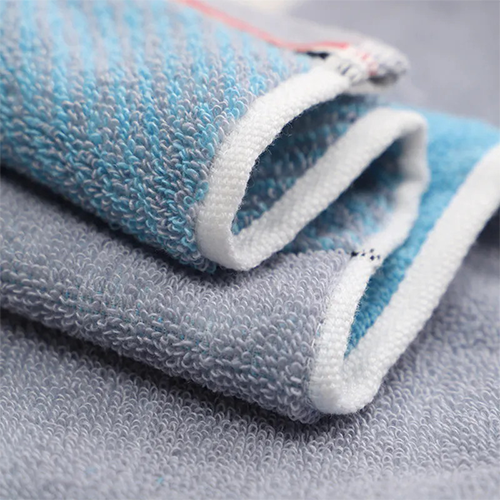
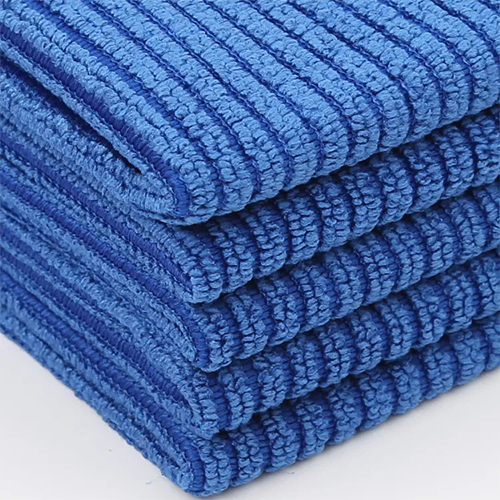
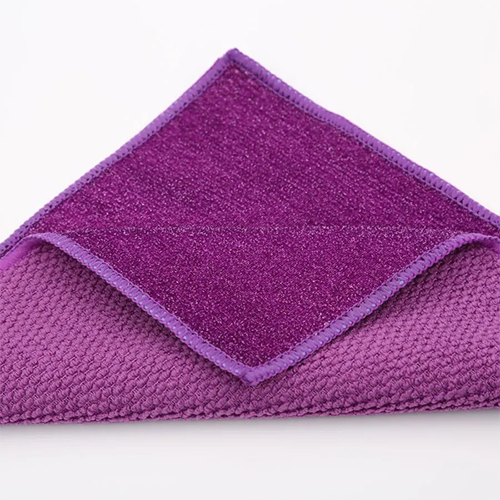
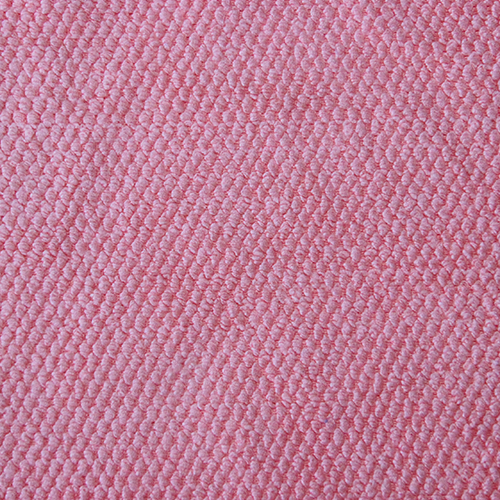
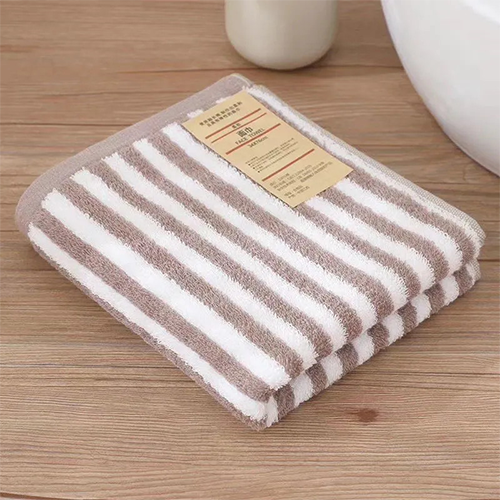
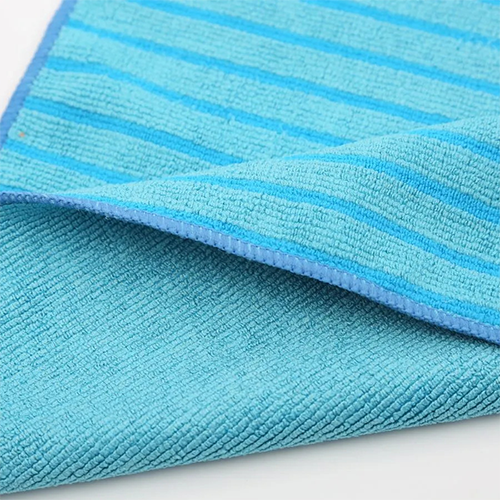
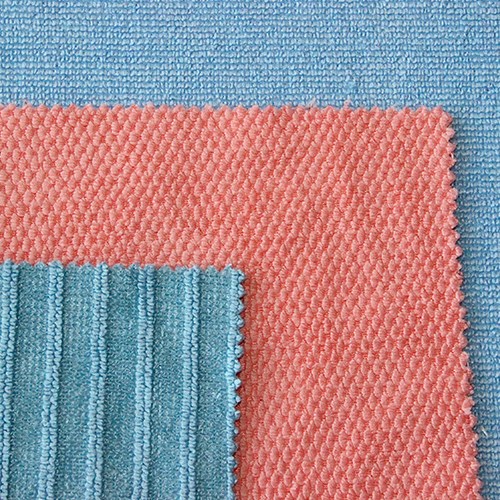
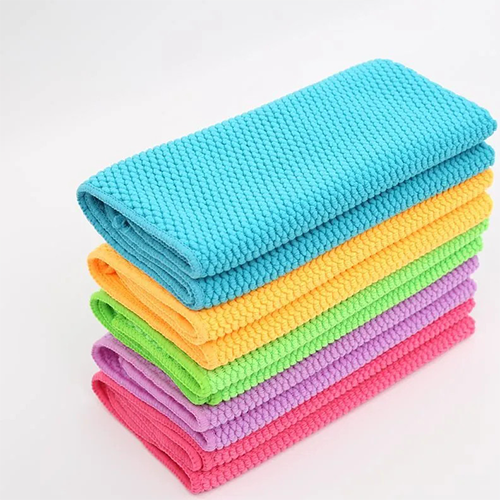
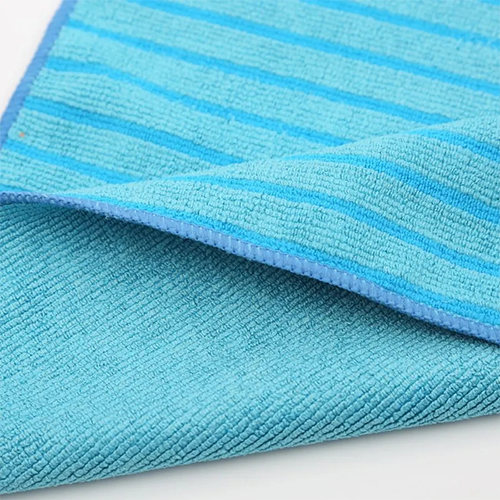
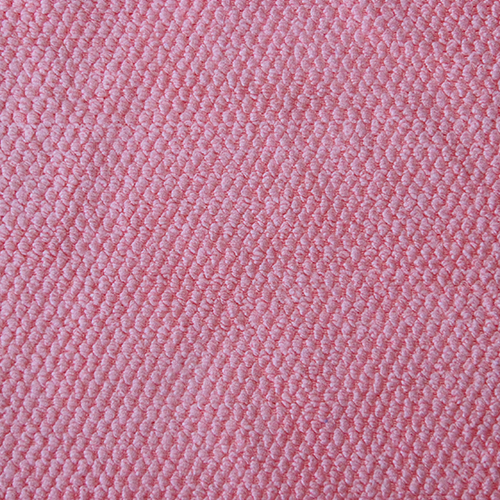
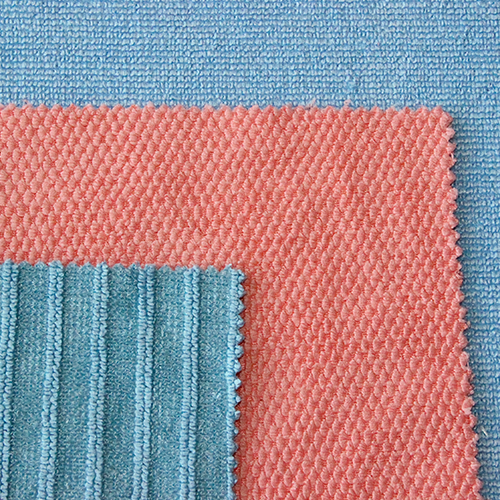
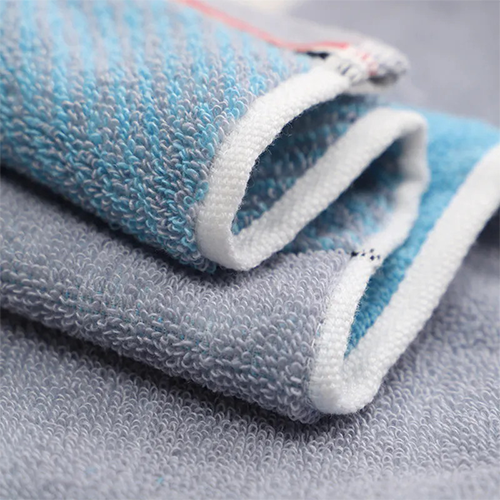
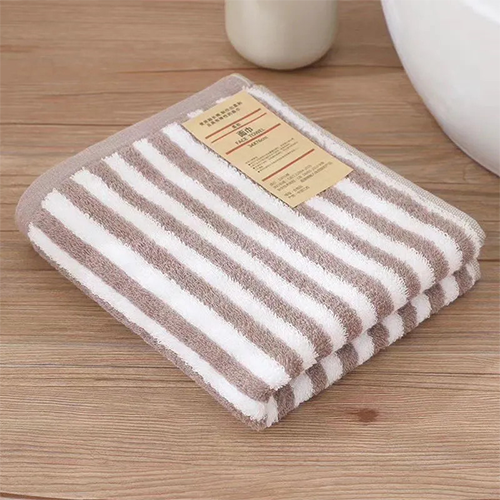
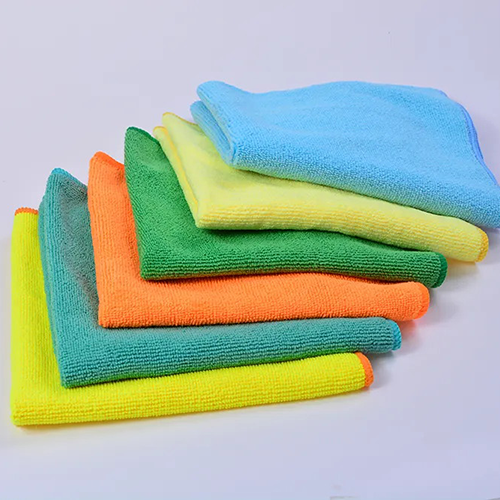
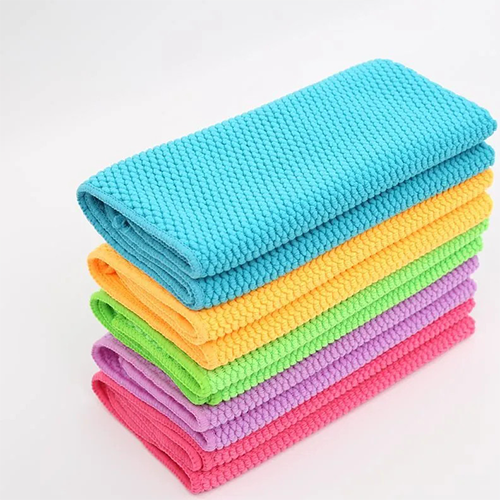
Typical end products include cleaning towels, bath and hotel terry cloth, and EPE foam composite fabrics where a loop pile surface is bonded to a foam core. Applicable fibers include bamboo fiber and microfiber, both of which demand controlled loop height and uniform pile density to avoid crushed or uneven terry surfaces.
Core specification envelope
| Parameter |
Value |
Notes |
| Machine speed |
50–600 r/min |
Speed depends on pile structure and yarn input tension |
| Working width |
3500 mm (138") / 4500 mm (177") |
Two standard widths; other widths discussed at project stage |
| Daily output reference |
200 kg (3500 mm) / 240 kg (4500 mm) |
Reference only; actual output varies with fabric construction and process |
| Loop formation |
Dual guide bar division, sinker-assisted |
Single-sided and double-sided loop pile on one machine |
| Applicable fibers |
Bamboo fiber, microfiber |
Also used for EPE foam composite constructions |
Application Fit and Fabric Positioning
The TM Towel Machine sits in our Machine for Chemical Fiber Textile range, alongside stitch-bonding and biaxial warp knitting equipment. It is the right choice when the production target is a loop pile surface rather than a flat bonded or grid fabric.
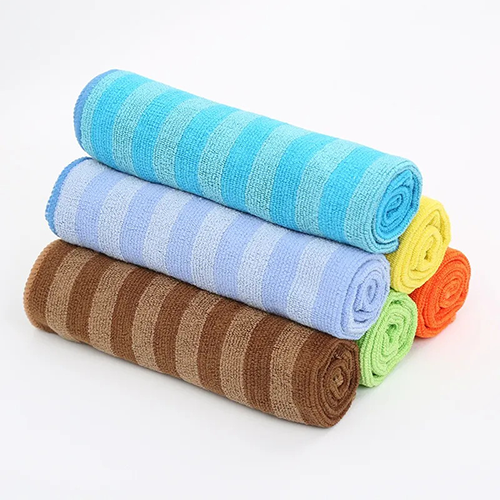
- Hotel and household cleaning textiles — terry towels and rapid-cleaning cloths where pile height and density determine absorbency.
- EPE foam composite fabrics — loop pile surfaces bonded to expanded polyethylene for cleaning and protective products.
- Plush and comfort fabrics — single-sided loop structures used as the base for brushed or finished plush goods.
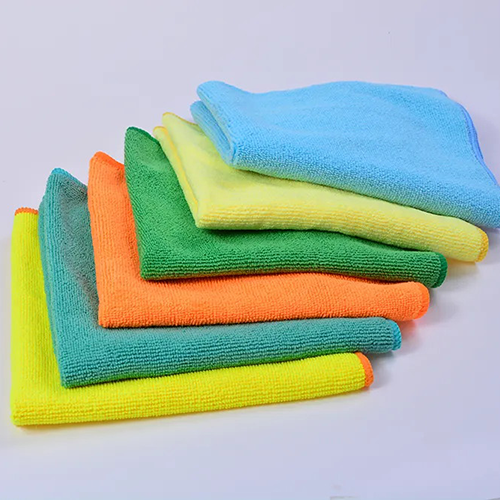
- Microfiber cleaning goods — fine-denier yarns that require stable sinker control to keep loops uniform across the full working width.
Configuration Options and Line Integration
Because terry fabric construction varies widely, we configure each TM Towel Machine around the fabric design rather than shipping a fixed specification. The dual guide bar arrangement can be set for single-sided or double-sided pile, and the sinker profile is selected to match the target loop height and yarn count.
Pile structure
Single-sided or double-sided loop pile, selected at order stage from the fabric sample or construction drawing.
Working width
3500 mm or 4500 mm standard; width is matched to the finishing line and roll handling downstream.
Drive and control
Machine speed and yarn let-off are set through the control system; interface requirements are confirmed against the customer's line.
For projects that combine terry production with other warp knitting processes, our wider range includes the YHS High Speed Stitch Bonding Machine and the YS Stitch Bonding Machine for nonwoven and bonded structures produced in the same plant.
Installation, Utilities and Operator Safety
Terry warp knitting machines are installed on a level, vibration-isolated floor with sufficient clearance for beam loading and fabric take-down. We confirm the foundation plan, power supply, compressed air and yarn storage layout during project engineering so the machine can be positioned without rework.
- Machine frame levelling and alignment before first run.
- Guide bar and sinker timing checked against the fabric construction.
- Yarn let-off and take-down tension set to the target pile density.
- Guarding and emergency stop circuits verified before production release.
- Operator training on threading, beam changes and loop fault recognition.
Quality Control and Acceptance
Every TM Towel Machine is assembled and tested in our Danyang production base before dispatch. Component procurement, machining, assembly, testing and debugging are controlled as one process, and each unit runs a pre-delivery verification covering speed, loop formation and fabric appearance.
Acceptance is normally based on a fabric sample agreed before shipment: pile height, loop density, width and surface uniformity are checked against the confirmed construction. Where the customer requires it, we can run the machine with the customer's own yarn to confirm performance under production conditions.
Maintenance, Spare Parts and Serviceability
Terry machines are sensitive to guide bar and sinker wear, so the TM Towel Machine is laid out for practical maintenance access. Routine service covers guide bar cleaning, sinker inspection, needle replacement, lubrication and tension calibration.
We support customers with spare parts supply, remote technical guidance and on-site commissioning. Our value-added service program includes operator and maintainer training, either at our factory or at the customer's site, so the production team can handle beam changes, fault diagnosis and routine maintenance independently.
Information We Use to Configure Your Solution
To prepare a TM Towel Machine configuration and quotation, we work from the fabric target and the production environment. The more precise the input, the more accurately the machine is set up before dispatch.
| Project input |
Why we need it |
| Fabric sample or construction drawing |
Defines loop type, pile height and guide bar arrangement |
| Yarn type and count |
Sets let-off tension and sinker selection for bamboo fiber or microfiber |
| Target working width |
Selects 3500 mm or 4500 mm frame and downstream roll handling |
| Required output and shift pattern |
Confirms speed setting and daily output expectation |
| Workshop layout and utilities |
Foundation, power and compressed air planning |
| Line interface requirements |
Control integration with existing finishing or take-up equipment |
Frequently Asked Questions
What fabrics can the TM Towel Machine produce?
It produces single-sided and double-sided loop pile terry fabrics from bamboo fiber and microfiber, including cleaning towels, hotel terry cloth and EPE foam composite fabrics. The dual guide bar and sinker-assisted loop formation allow both pile types on the same machine.
What is the maximum working width available?
Two standard working widths are offered: 3500 mm (138") and 4500 mm (177"). The correct width depends on the finished fabric width and the downstream finishing or cutting line.
How is daily output estimated?
Reference daily output is approximately 200 kg for the 3500 mm machine and 240 kg for the 4500 mm machine. Actual output depends on fabric construction, yarn type and process settings, so we confirm the expected figure against the specific fabric before quotation.
Can the machine be customized for a specific terry structure?
Yes. Configuration covers pile structure, working width, guide bar arrangement and control settings. For non-standard fabric designs, we review the sample or drawing and confirm the machine layout before production.
What support is provided after delivery?
We provide on-site installation and commissioning, operator and maintainer training, spare parts supply and long-term technical support. Training can be carried out at our factory or at the customer's production site.
How do we start a TM Towel Machine project?
Send the fabric sample or construction drawing, yarn details, target width and output requirement. Our engineering team reviews the input, confirms the configuration and prepares a quotation with the technical specification.


 English
 中文简体
中文简体 русский
 Français
 Español
 Deutsch