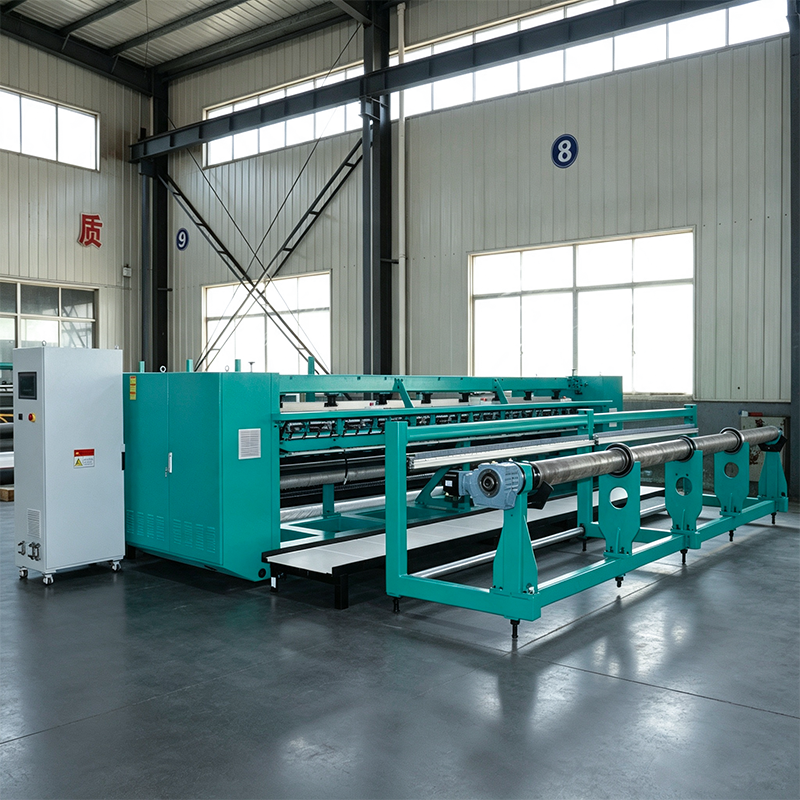
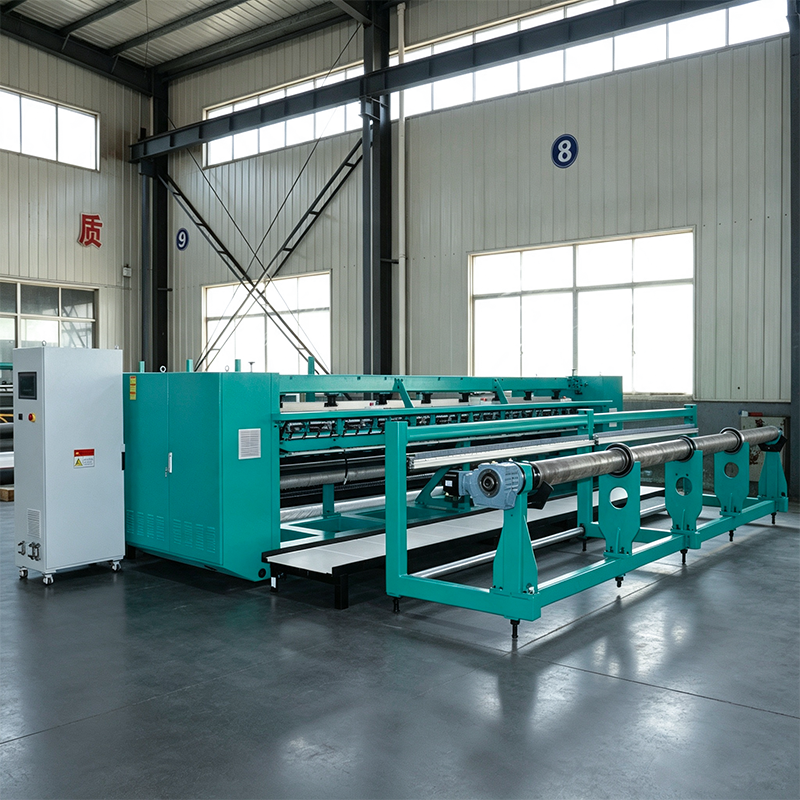
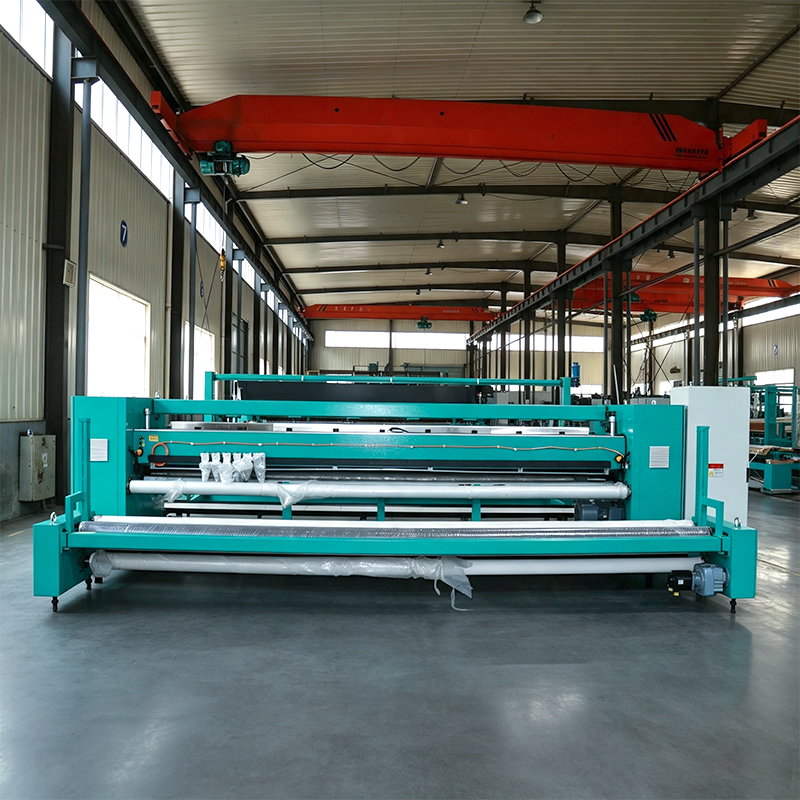
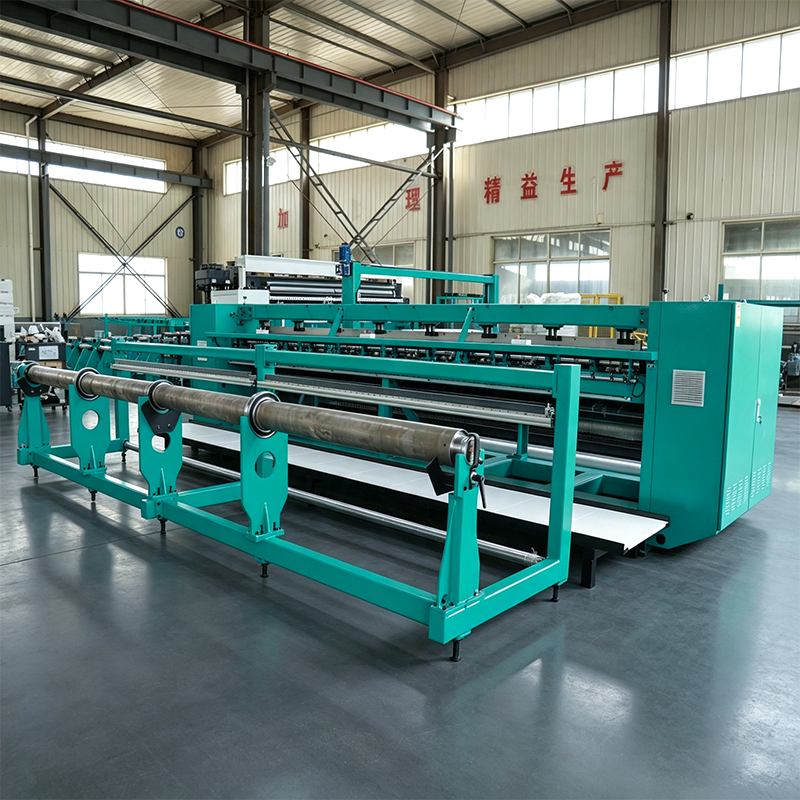
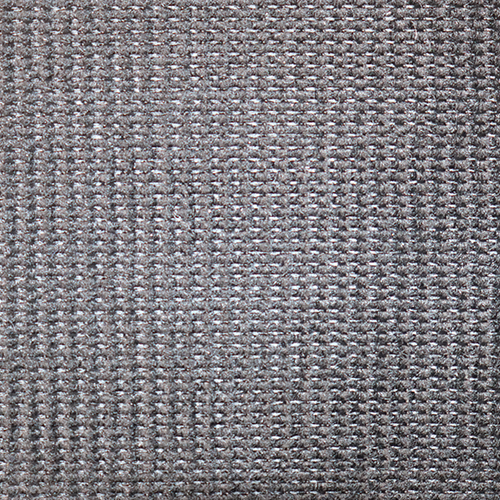
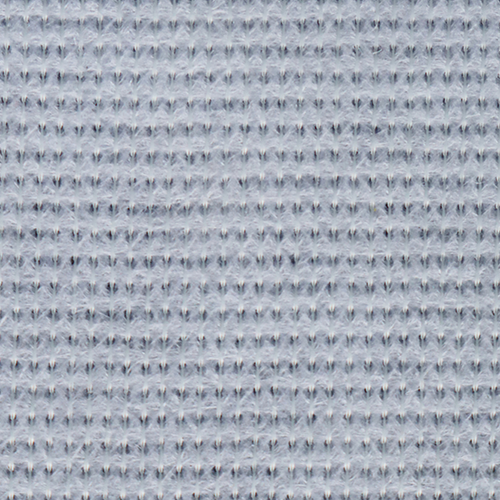
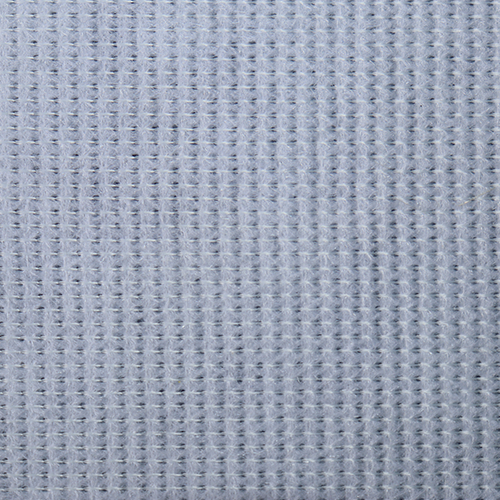
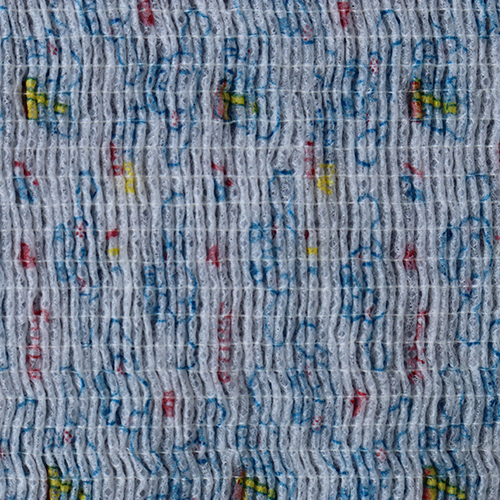
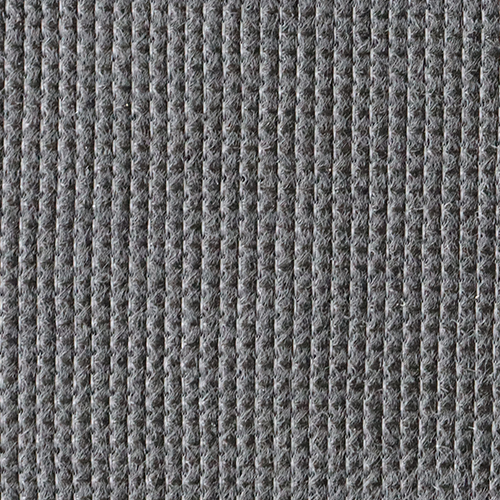
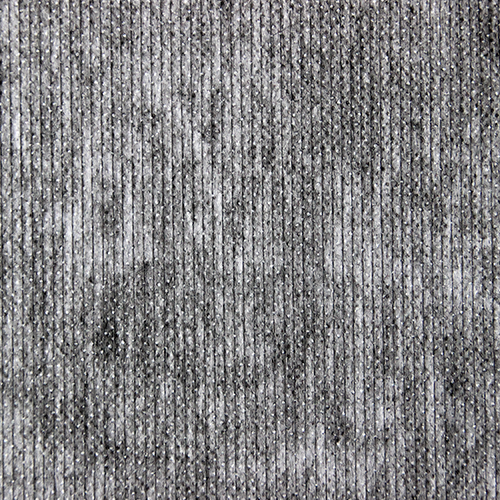
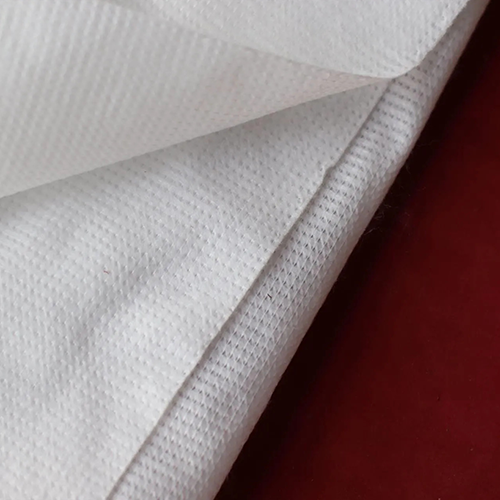
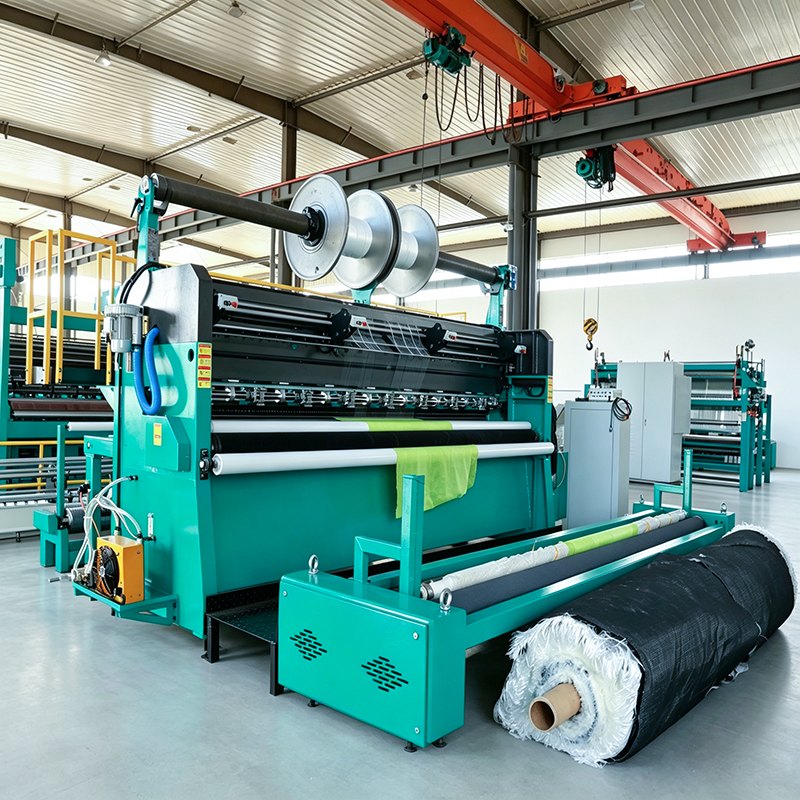
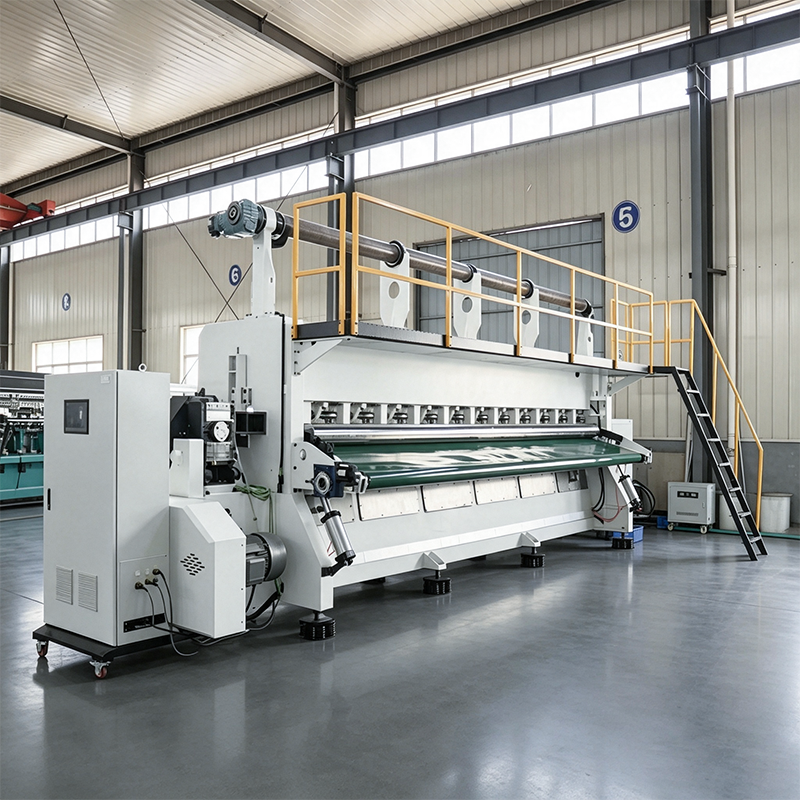
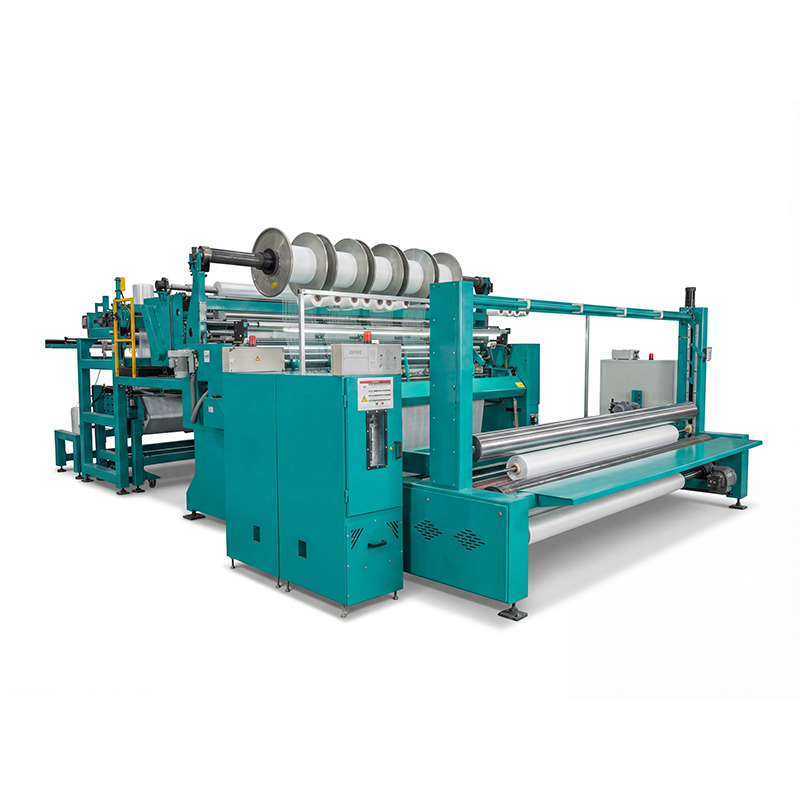
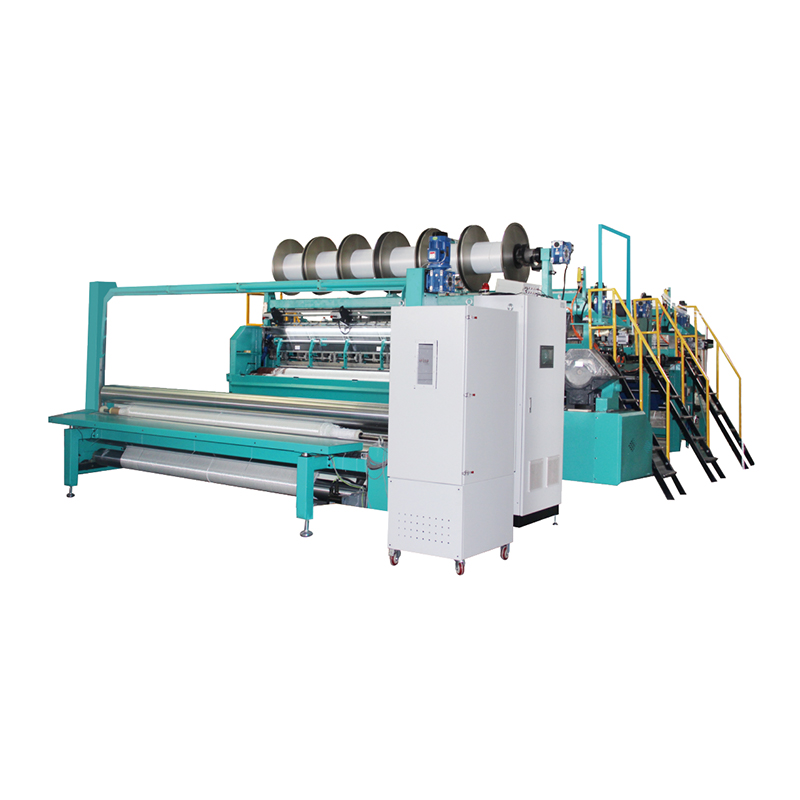
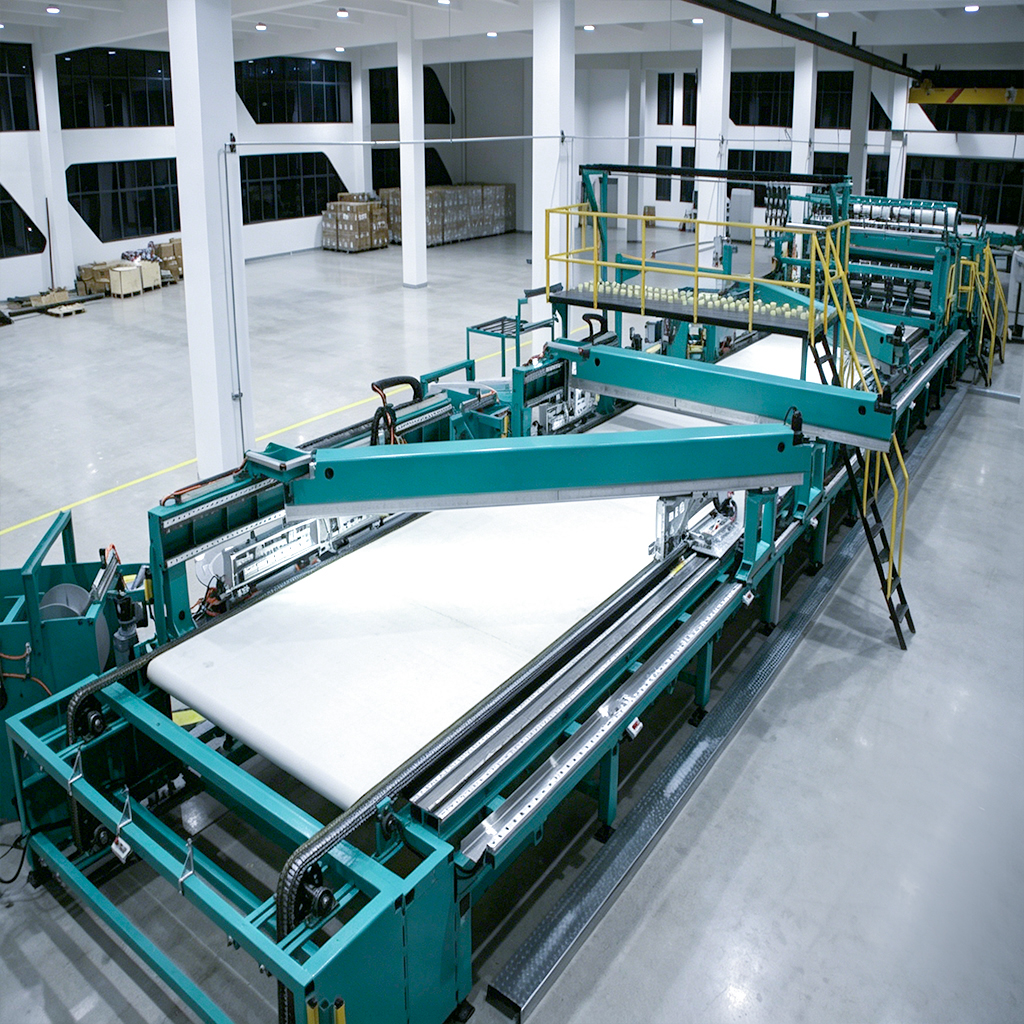
Changzhou Yuanyang Electromechanical Technology Co., Ltd. builds the YS Stitch Bonding Machine for chemical fiber webs, yarns and base fabrics that are bonded by a warp-knitting loop structure rather than by adhesive or needling. We manufacture this machine in Danyang, Jiangsu, inside a 12,000+ m² production base with an annual capacity of more than 200 sets, and we configure each unit around the fibre, fabric construction and daily output the customer needs to reach.
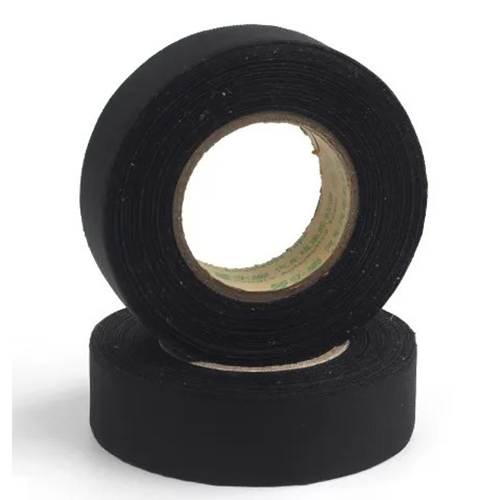
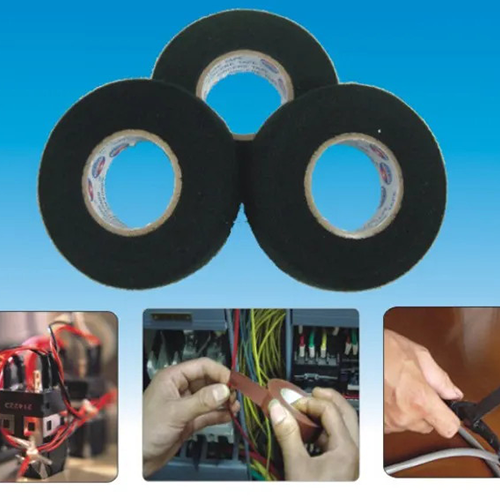
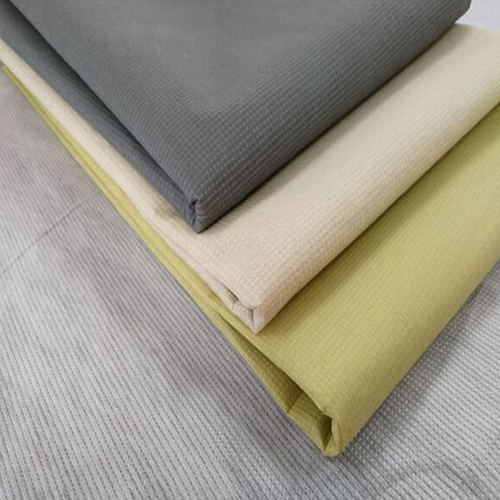
The YS is the general-purpose stitch-bonding platform in our chemical fibre range. It suits converters producing lixin fabric, wire harness tape, medical bandages, garment interlinings, curtain fabrics, home-textile stitch-bonded nonwovens, shoe materials and waterproof membrane substrates, where the same line has to change fabric style frequently without losing loop stability.
What the YS Stitch Bonding Machine Does
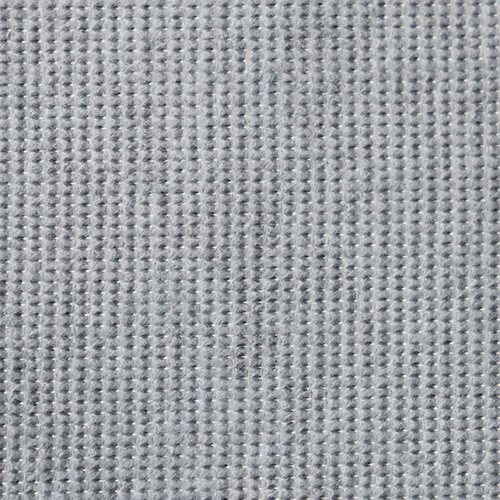
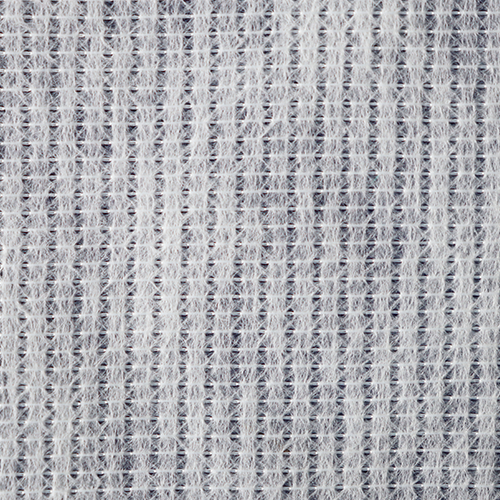
The working principle follows the Malimo / Maliwatt family: textile or non-textile material is fed as a web or base fabric and stitched through with warp-knitting loops, so the fabric is consolidated mechanically. Because the loop structure is introduced into woven or nonwoven substrates, the machine can also produce bottom-loop pile effects where the pile is formed on the reverse side of the base cloth.
Compared with chemical bonding or needle punching routes, stitch bonding removes processing steps, keeps fibre waste low and holds the fabric together without binder chemistry. That is why the YS is often chosen where a converter needs a stable, repeatable nonwoven with a defined loop density and a predictable hand.
Core Specifications
| Parameter |
YS Stitch Bonding Machine |
Selection Meaning |
| Applicable fibres |
Chemical fibres |
Polyester, polypropylene, viscose, polyamide and blends used in nonwoven and interlining production |
| Machine speed |
50–1200 r/min |
Speed is set against loop density, yarn count and web weight, not run at maximum by default |
| Working width |
4400 mm (173 in) |
Defines usable fabric width and the downstream slitting or finishing layout |
| Reference fabric |
Shoe material, 150 g/m² |
Used as a benchmark construction when estimating output |
| Daily production |
Approx. 5000 m² (reference) |
Actual output varies with fabric construction, yarn and process settings |
The 5000 m² daily figure is a reference point for the 150 g/m² shoe-material construction. Heavier webs, tighter loop densities or slower yarns reduce it; lighter constructions with stable web formation can run higher. We calculate the working point with the customer before quoting so the drive, yarn guide and take-up settings match the real fabric.
Applications We Build the YS Around
- Lixin fabric and garment interlining — light webs consolidated into a stable, drapeable substrate for fusible and non-fusible interlining lines.
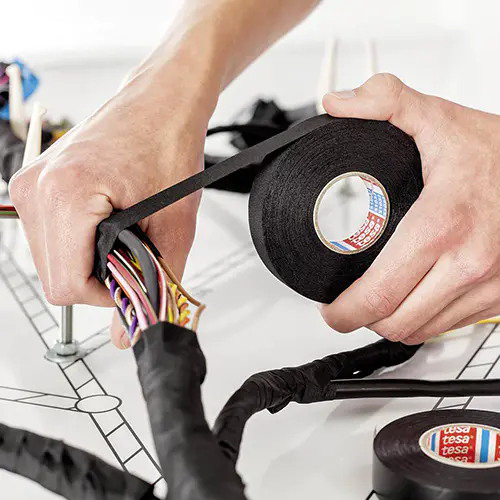
- Wire harness tape — mechanically bonded base fabric that holds its edge and resists fraying during slitting.
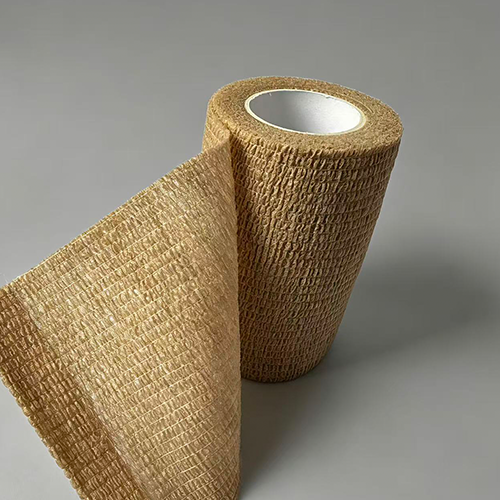
- Medical bandages — binder-free consolidation for products where chemical residue is not acceptable.
- Curtain and home-textile nonwovens — bottom-loop pile effects and structured surfaces produced directly on the stitch-bonding line.
- Shoe materials — the 150 g/m² benchmark construction used for output planning.
- Waterproof membrane substrates — dimensionally stable carrier fabrics for subsequent coating or lamination.
Where the YS Sits in Our Stitch-Bonding Range
We supply three stitch-bonding platforms for chemical fibre and glass fibre work. The choice depends on the fibre, the web weight and whether the line has to run at high speed continuously or handle frequent style changes.
For glass fibre and chopped-fibre consolidation, the FC Chopped Stitch Bonding Machine and FCD double version cover a different material family; the YS remains the chemical fibre machine.
Configuration Options
The YS is not a fixed catalogue item. Depending on the fabric programme, we adjust the following before the machine is built:
- Working width and gauge — matched to the finished fabric width and the loop density the product requires.
- Yarn guide and bar configuration — set for the fibre type, yarn count and the loop structure being formed.
- Web or base-fabric infeed — adapted to whether the line is fed from a card, a roll or an inline web former.
- Take-up and batching — sized for the roll diameter and downstream handling in the customer's workshop.
- Drive and control — configured around the required line interface, speed range and operator control level.
- Machine structure and layout — redesigned where the workshop footprint or material path requires it.
Installation, Commissioning and Training
Once the machine reaches the customer's factory, our engineer attends site for installation, commissioning and training until the line is running to the agreed fabric. Training covers knitter operation, maintainer routines and workshop management topics such as quality control, production planning and process parameters.
Hands-on training can also be arranged at our fabrication workshop, where participants join the installation process and gain practical maintenance experience. Typical training blocks run one to two months depending on the scope. We also assist customers in establishing and compiling quality system documentation for the new line.
Quality Control and Pre-Delivery Verification
Every YS machine is assembled, tested and verified in our own production base before shipment. Control runs from component procurement through machining and assembly to finished-product testing and debugging, with each unit passing a pre-delivery test before it is released.
Our R&D team of senior industry engineers continuously optimises product performance and structural design, which is how the YS platform keeps pace with changes in chemical fibre fabrics and nonwoven constructions.
Information We Use to Configure Your Solution
A YS proposal is built from the working point, not from a standard sheet. The following inputs let us size the machine, set the process and quote accurately:
- Fibre type, yarn count and whether the feed is a carded web, a base fabric or a combination.
- Target fabric construction, loop density and reference sample or drawing.
- Finished width and roll format required downstream.
- Required daily output and shift pattern.
- Workshop layout, available power supply and material flow.
- Any special working conditions, non-standard configuration or automation interface.
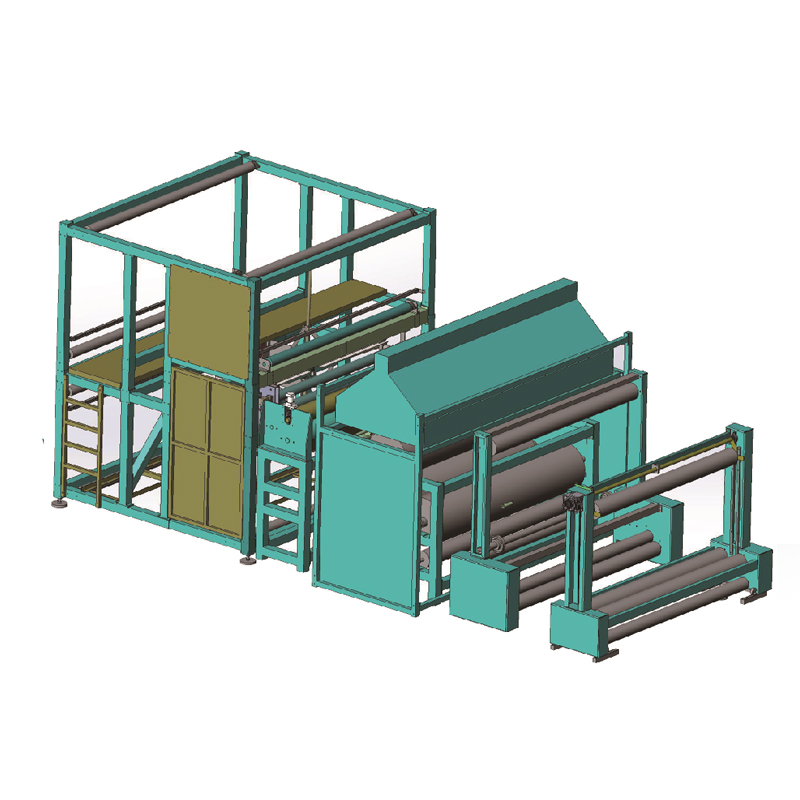
Where a customer supplies 2D drawings or samples, we prepare 3D drawings for confirmation before quoting. Customisation can extend to machine structure and layout redesign, functional module development or integration, and adaptation for special materials.
Maintenance and Long-Term Support
The YS is designed for long-term stability rather than peak speed alone. Routine maintenance centres on yarn guide condition, needle and loop-forming components, drive and take-up alignment, and lubrication intervals. We supply spare parts and technical support through our after-sales system, and our engineers assist with any production problem that arises during the life of the machine.
Customers running mixed portfolios often pair the YS with other equipment from our Machine for Chemical Fiber Textile range, including biaxial warp knitting machines and towel machines, so that web forming, stitch bonding and finishing stay in one coordinated line.
Frequently Asked Questions
What is the maximum working width of the YS Stitch Bonding Machine?
The standard working width is 4400 mm (173 in). We confirm the usable width against the finished fabric width and the downstream slitting or batching arrangement before the machine is built.
What speed can the YS run at?
The machine speed range is 50–1200 r/min. The actual production speed is set against loop density, yarn count and web weight, so the working point is agreed with the customer rather than fixed at the top of the range.
Which fabrics can be produced on the YS?
The YS handles lixin fabric, wire harness tape, medical bandages, garment interlinings, curtain fabrics, home-textile stitch-bonded nonwovens, shoe materials and waterproof membrane substrates. It also produces bottom-loop pile effects when the loop structure is introduced into a woven base fabric.
How is daily output estimated?
We use a reference construction of 150 g/m² shoe material, which gives approximately 5000 m² per day. Actual output depends on the fabric construction and process settings, so we recalculate for each customer's specific product.
Can the YS be customised for a non-standard line?
Yes. Customisation can involve machine structure and layout redesign, functional module development or integration, adaptation for special materials, and process-oriented optimisation for stability and efficiency. We work from customer drawings or samples and confirm 3D drawings before production.
What support is provided after delivery?
Our engineer attends the customer's factory for installation, commissioning and training until the equipment runs correctly. We provide knitter, maintainer and workshop management training, assist with quality system documentation, and continue to support production problems through our after-sales service system.


 English
 中文简体
中文简体 русский
 Français
 Español
 Deutsch