

 English
 中文简体
中文简体 русский
 Français
 Español
 Deutsch
Warp Knitting Machines: Machine Architecture, Yarn Control and Industrial Fabric Output Inside a warp knitting machine, every single yarn has its own itinerary. A thousand or more...
READ MORE
Interested in Our Products?
-
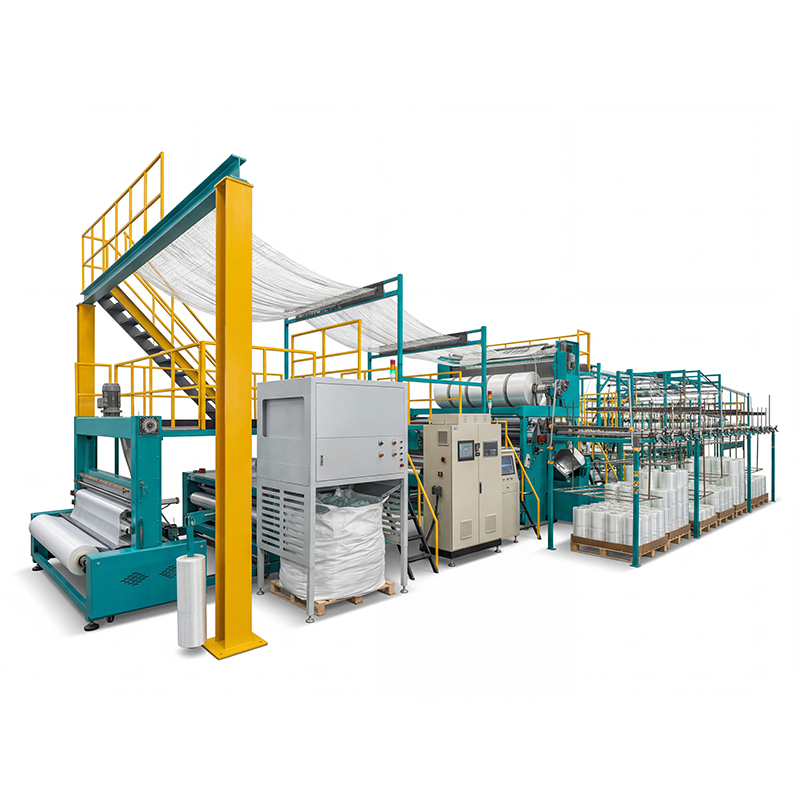

YRS3-3M Multi-Axial Warp Knitting Machine
-
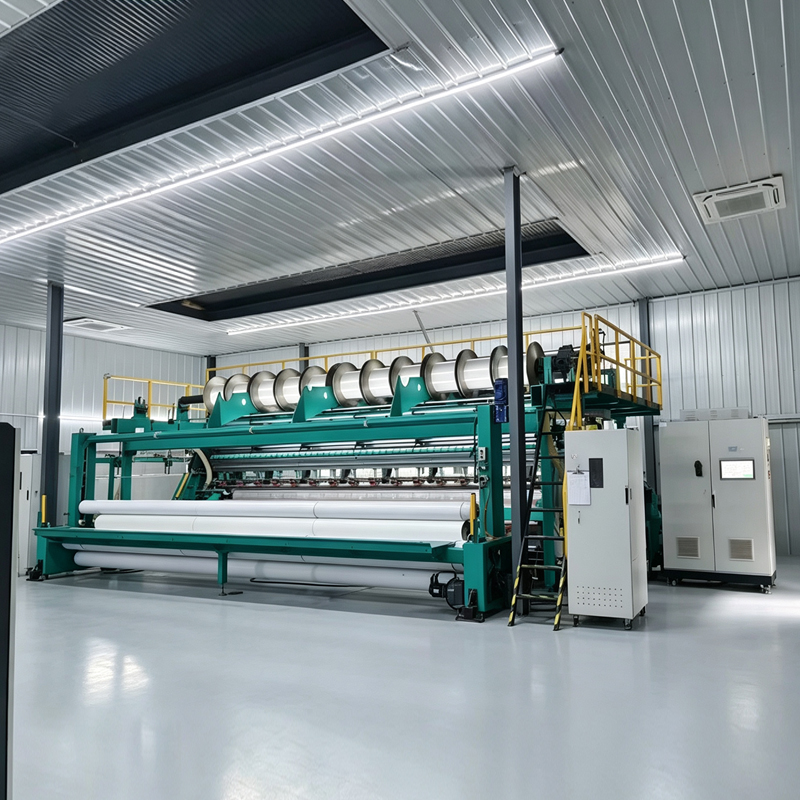
YRS3-M-M Raschel mesh - Geo Textile Biaxial Warp Knitting Machine
-
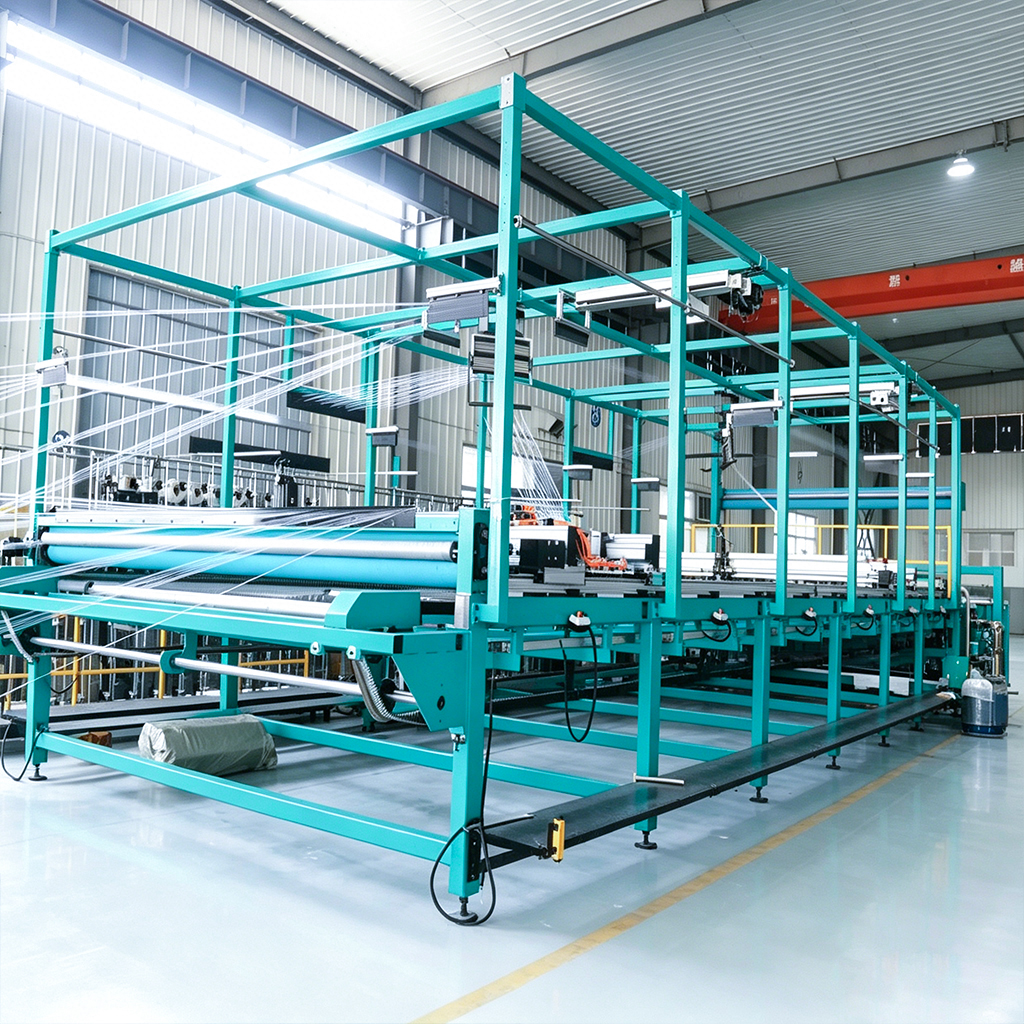
LM Weft Insertion Type Laid Scrim Machine
-
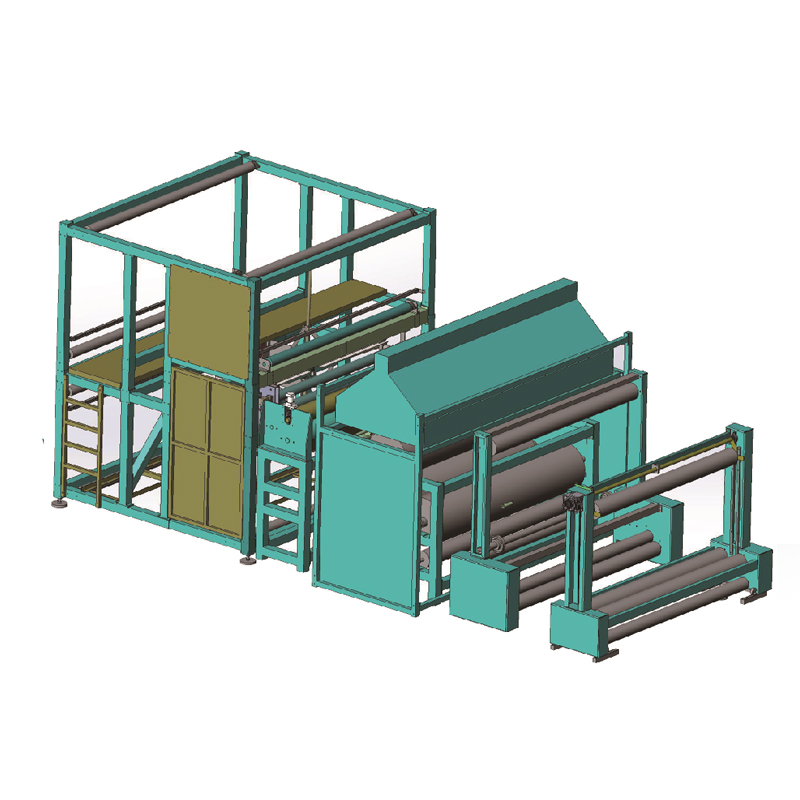
LS Rotary Type Laid Scrim Machine
-
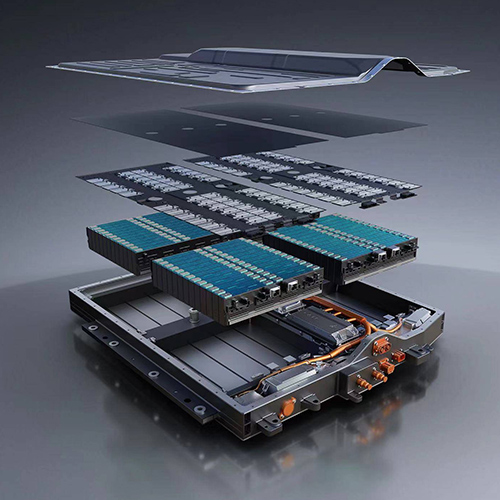
YAS Auto Powder-Spreading machine
-
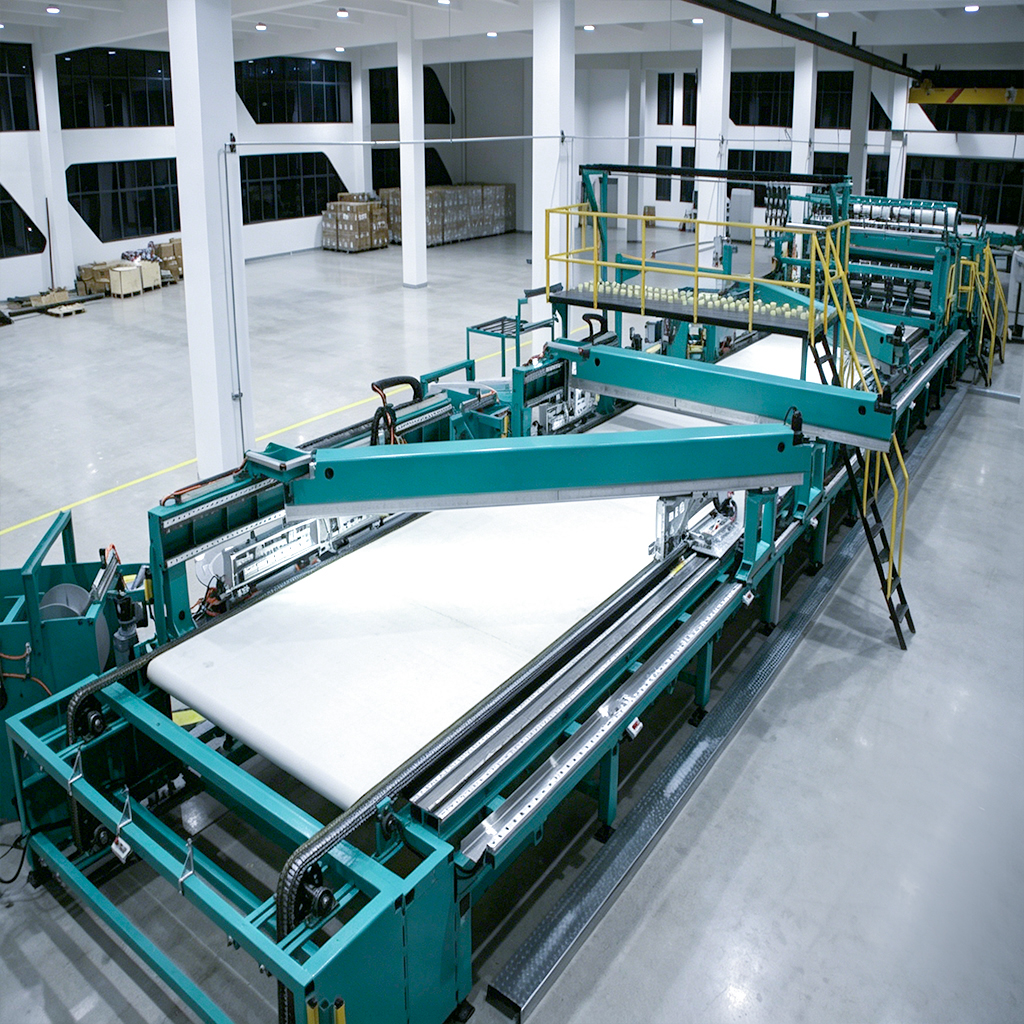
YRS3-3M-C Carbon Fiber Multi-Axial Warp Knitting Machine
-
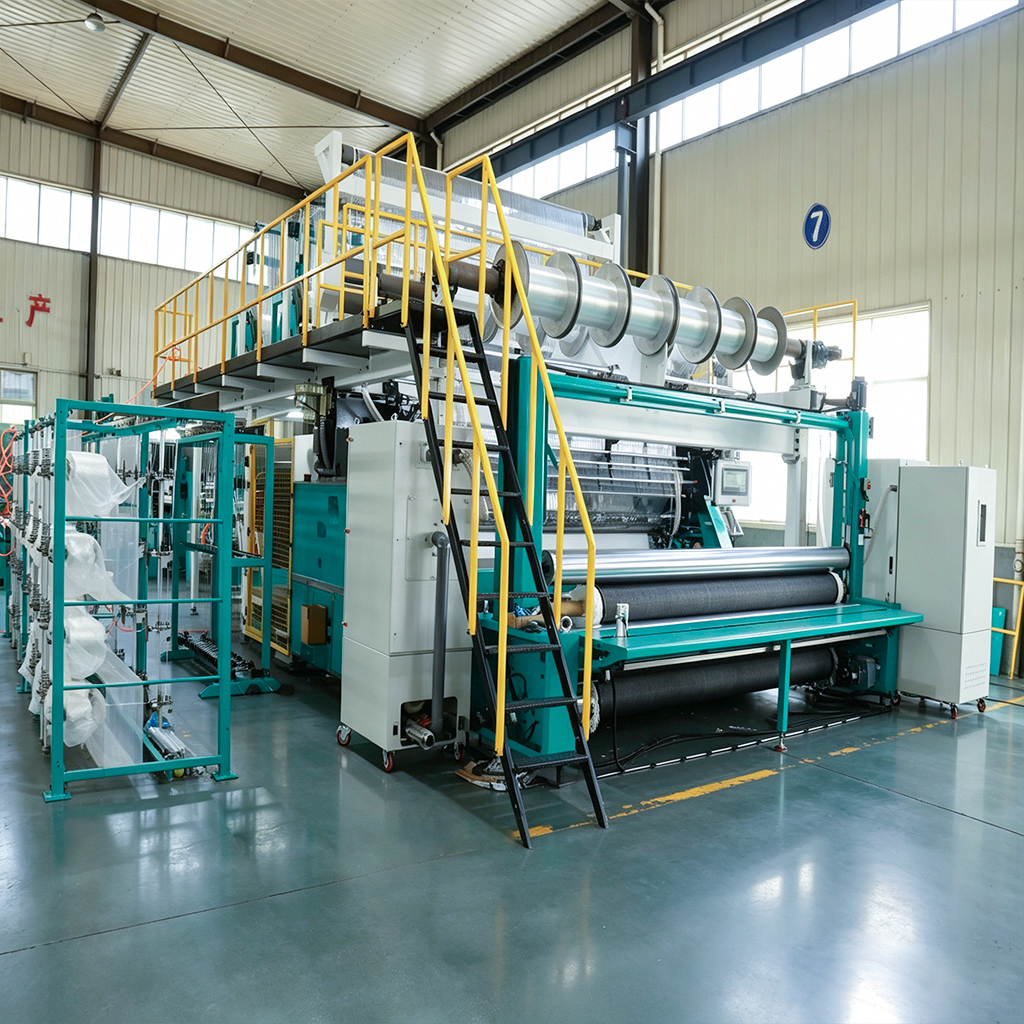
YRS3-M-G Raschel Mesh-Geogrid Biaxial Warp Knitting Machine
About
Changzhou Yuanyang Electromechanical Technology Co., Ltd.
Located in Changzhou, Jiangsu Province—a key hub of the textile equipment industry in China, Changzhou Yuanyang Electromechanical Technology Co., Ltd. is a high-tech enterprise integrating R&D, manufacturing, sales and service dedicated to the textile machinery sector. Since its establishment, the company has been adhering to the mission of "Driving Innovation in Textile Machinery with Technology, Building Industry Trust with Quality", deeply rooted in the warp knitting equipment and supporting fields. Relying on profound technical accumulation, rigorous manufacturing techniques and a comprehensive service system, it has become a highly competitive professional supplier in the domestic textile machinery industry.
As China Stitch Bonding Machine Manufacturers and Biaxial Warp Knitting Machine Factory, our main business focuses on the R&D and sales of high-end textile machinery. Its core product portfolio includes mainstream warp knitting equipment, such as stitch-bonding machines, biaxial warp knitting machines, multiaxial warp knitting machines, carbon fiber multiaxial warp knitting machines, powder-scattering machines, and web-laying machines. Meanwhile, it provides personalized customization services for a range of high-precision warp-knitting accessories and specialized equipment. The products are widely used in multiple fields, including industrial textiles, high-end fabrics, carbon fiber composite materials, and non-woven fabrics. Featuring high efficiency, stability, intelligent precision, and energy conservation, they can meet the diversified production demands of textile enterprises of different scales, helping customers improve production efficiency and product quality.
Based on the present and looking into the future, Changzhou Yuanyang Electromechanical Technology Co., Ltd. will continue to uphold the core values of "Innovation, Quality, Integrity and Win-Win Cooperation". It will further deepen technological R&D, optimize product portfolio, upgrade service quality, and strive to provide higher-quality warp knitting equipment solutions for global textile enterprises, joining hands with customers to create a bright future for the high-quality development of the textile industry.
News
-
-
Which Machine Category Matches Each Technical Fiber and Fabric Goal A warp knitting machine is the primary production platform for technical fiber textiles across fiberglass, chemi...
READ MORE -
What Is a Tricot Warp Knitting Machine A tricot warp knitting machine is a textile production machine that forms fabric by looping many parallel yarns fed from a warp beam, with e...
READ MORE -
From September 1 to 3, 2026, the Yuan Yang team conducted technical exchanges with industry professionals during the Shanghai Composite Materials Exhibition and the Technical Texti...
READ MORE
Message Feedback
Products Industry knowledge
Changzhou Yuanyang Electromechanical Technology Co., Ltd. is a China-based manufacturer of warp knitting machinery and specialty textile equipment, operating from a 12,000+ m² production base in Danyang with an annual capacity of 200+ sets and 50+ skilled employees. We build stitch-bonding machines, biaxial warp knitting machines, multiaxial lines, carbon fiber multiaxial machines, powder-scattering machines and web-laying machines for industrial textiles, composites and nonwovens.
Our Biaxial Warp Knitting Machine Manufacturers range is organized around the material being processed and the fabric structure required, so a project is configured from the working point rather than from a catalogue number alone.
What We Manufacture in This Category
Our core product portfolio covers mainstream warp knitting equipment: stitch-bonding machines, biaxial warp knitting machines, multiaxial warp knitting machines, carbon fiber multiaxial warp knitting machines, powder-scattering machines and web-laying machines. We also provide personalized customization for high-precision warp knitting accessories and special-purpose equipment.
Equipment from this range is used in industrial textiles, high-end fabrics, carbon fiber composite materials and nonwovens. The common thread across the range is stable long-run operation, repeatable fabric geometry and a control architecture that can be matched to the customer's line interface.
Our Product Range and Where Each Type Fits
We group the range by material family because yarn behavior, tension windows and downstream processing differ substantially between chemical fiber, glass fiber and carbon fiber. The table below shows how we position each child category and the machine types that carry it.
| Product Family | Representative Machines | Typical Application Fit |
|---|---|---|
| Machine for Chemical Fiber Textile | FB Fiber Web Stitch Bonding Machine; YS Stitch Bonding Machine; YHS High Speed Stitch Bonding Machine; YRS3-M-B Raschel Banner Biaxial Warp Knitting Machine; TM Towel Machine; YXKS2-M Biaxial Warp Knitting Machine | Banners, towels and terry cloth, interlining, nonwoven bonding, truck tarpaulin and general industrial fabrics |
| Machine for Fiberglass Textile | FC Chopped Stitch Bonding Machine; FCD Double Chopped Stitch Bonding Machine; YRS3-M-V Biaxial Warp Knitting Machine With Non-Woven Fabric; YRS3-M-F-I / F-II Raschel Chopped Fiber Biaxial Warp Knitting Machine; YRS3-M-H High Strength Biaxial Warp Knitting Machine; YRS3-M-G Raschel Mesh-Geogrid Biaxial Warp Knitting Machine; YRS3-M-M Raschel mesh - Geo Textile Biaxial Warp Knitting Machine; LM Weft Insertion Type Laid Scrim Machine; LS Rotary Type Laid Scrim Machine; YAS Auto Powder-Spreading machine | Fiberglass mesh, geogrid and geotextile reinforcement, chopped strand mats, scrims for composites and building materials |
| OEM/ODM Warp Knitting Machine for Carbon Fiber Textile Factory | YRS3-3M-C Carbon Fiber Multi-Axial Warp Knitting Machine; YRS3-3M Multi-Axial Warp Knitting Machine | Multiaxial carbon fiber reinforcement fabrics, composite preforms for new energy vehicle structures and transportation composites |
Chemical Fiber Textile Machines
This family covers stitch-bonding and biaxial lines for synthetic yarns and nonwoven webs. The YXKS2-M Biaxial Warp Knitting Machine and YRS3-M-B Raschel Banner Biaxial Warp Knitting Machine are configured for banner, tarpaulin and reinforcement fabrics where warp and weft yarns are laid in and bonded by a knitting system.
Fiberglass Textile Machines
Glass fiber demands controlled tension, abrasion-resistant yarn guides and stable chopped-fiber feeding. We supply chopped stitch-bonding machines, chopped fiber biaxial lines, high-strength biaxial machines, mesh-geogrid and geotextile machines, laid scrim machines and the YAS Auto Powder-Spreading machine for downstream composite preparation.
Carbon Fiber Textile Machines
The YRS3-3M-C Carbon Fiber Multi-Axial Warp Knitting Machine is built for multiaxial reinforcement fabrics where 0°, 90° and diagonal fiber layers are stitched together with minimal fiber damage. This is the machine family we position for composite preforms used in new energy vehicle battery shells, transportation composites and other structural parts.
Engineering Value and Configuration Approach
We focus on equipment projects that require deep engineering involvement, process logic and long-term responsibility. Typical projects include non-standard equipment configurations, complex fabric designs, new or difficult-to-process materials, and production lines where long-term stability matters more than a headline speed figure.
Customization can involve machine structure and layout redesign, functional module development or integration, adaptation for glass fiber, synthetic fiber or carbon fiber, process-oriented optimization for stability and efficiency, and colour customization. We work from customer drawings or samples, prepare 3D drawings for confirmation, quote against the confirmed geometry, then build and test.
Critical Specifications We Confirm Before Building
- Working width and gauge — matched to the finished fabric width and the yarn count being processed.
- Yarn system — warp, weft and stitch yarn paths, guide bar arrangement and laying-in geometry.
- Fabric structure — biaxial, multiaxial, chopped-fiber, mesh or scrim construction, including layer angles for multiaxial work.
- Material behavior — glass fiber, carbon fiber, synthetic filament or nonwoven web, with tension windows and abrasion sensitivity noted.
- Speed and throughput target — expressed as a stable production working point, not a peak figure.
- Control and line interface — drive and control architecture, operator interface and the signals required by the surrounding line.
- Utilities and installation — power supply, compressed air, foundation and workshop layout constraints.
Controls, Automation and Line Integration
We configure the control system around the required line interface, so the machine can operate as a standalone unit or as part of a wider production flow. Drive and motion parameters are set against the confirmed fabric structure and material, and the operator interface is arranged for the parameters that actually change during production.
Where a project includes powder scattering, web laying or scrim production, we coordinate the auxiliary equipment with the main knitting machine so that tension, speed and material feed remain consistent across the line.
Quality Control, Testing and Acceptance
We follow quality management system standards with refined control from component procurement through production, assembly, testing and debugging. Every machine undergoes rigorous testing before leaving the factory.
Acceptance is handled against the confirmed specification: fabric structure, working width, running stability and the agreed operating parameters. Customers are welcome to inspect with our team after completion, and goods are delivered after inspection results are confirmed and approved.
Installation, Training and Long-Term Service
Once equipment is received, an engineer is assigned to the customer's factory for on-site installation, commissioning and training until the machine runs to the agreed standard. Our fabrication factory also supports hands-on training for knitters, maintainers and workshop management, typically over one to two months, covering operation, maintenance, quality control, production planning and process parameters.
We maintain a rapid-response service mechanism and can assist customers in establishing quality system documentation. Long-term support continues after commissioning for issues that arise in production.
Information We Use to Configure Your Solution
To prepare a configuration and quotation, we work from the following project inputs. The more precisely these are defined, the more accurately we can match the machine to the working point.
| Input | What We Need From You | Why It Matters |
|---|---|---|
| Fabric specification | Structure, layer angles, areal weight, finished width | Determines guide bar arrangement, laying-in geometry and working width |
| Material | Yarn type, count, sizing or finish, nonwoven web details | Sets tension windows, guide selection and feed configuration |
| Production target | Required output, shift pattern, downstream process | Defines the stable working point and auxiliary equipment scope |
| Site conditions | Workshop layout, power supply, compressed air, foundation | Affects machine layout, installation plan and utility connections |
| Samples or drawings | Fabric samples, 2D drawings or reference parts | Basis for 3D design confirmation and quotation |
Frequently Asked Questions
What is the difference between a biaxial and a multiaxial warp knitting machine?
A biaxial machine lays warp (0°) and weft (90°) yarns and bonds them with a stitch system, producing two-directional reinforcement fabric. A multiaxial machine adds diagonal layers at defined angles, so the finished fabric carries fiber in three or more directions. We supply both, including the YRS3-3M and YRS3-3M-C multiaxial machines for glass and carbon fiber.
Can you build a machine for a non-standard fabric or a new material?
Yes. Non-standard configurations, complex fabric designs and difficult-to-process materials are the projects we focus on. Customization can include structure and layout redesign, functional module development, material-specific adaptation and process optimization. We start from your drawings or samples and confirm 3D geometry before quoting.
How is the machine tested before shipment?
Each machine is assembled, tested and debugged against the confirmed specification. We check fabric structure, working width, running stability and the agreed operating parameters. Customers can inspect with our team after completion, and delivery follows confirmed inspection results.
What support is provided after delivery?
An engineer is assigned to your factory for on-site installation, commissioning and training until the equipment runs to the agreed standard. We also provide hands-on training for knitters, maintainers and workshop management, and long-term assistance for production issues after commissioning.
Which machine type suits fiberglass mesh or geogrid production?
For fiberglass mesh, geogrid and geotextile reinforcement, we position the YRS3-M-G Raschel Mesh-Geogrid Biaxial Warp Knitting Machine and the YRS3-M-M Raschel mesh - Geo Textile Biaxial Warp Knitting Machine. Chopped strand work uses the FC and FCD chopped stitch bonding machines or the YRS3-M-F-I / F-II chopped fiber biaxial machines.
How do we start a configuration discussion?
Send the fabric specification, material details, production target, site conditions and any samples or drawings. We review the working point, prepare 3D drawings for confirmation, and quote against the confirmed geometry. Our Products section lists the full range by material family.
-
Contact Info.
+86-198 5534 1617
+86-134 0158 3002yuanyang@yywarpknitting.com 699#, Shengzhi West Rd, Lvcheng Town, Danyang City, Zhenjiang City, Jiangsu Province, China
-
QR Code
-
Quick Links
Home About Products Manufacturing Customization News Contact -
Product List
Machine for Chemical Fiber Textile Machine for Fiberglass Textile Machine for Carbon Fiber Textile -
About Us
Company Profile Factory Gallery Value-added Service
Copyright © 2026 Changzhou Yuanyang Electromechanical Technology Co., Ltd. All Rights Reserved.
OEM/ODM Biaxial Warp Knitting Machine Manufacturers
